侯恩党13693683012
 侯恩党13693683012
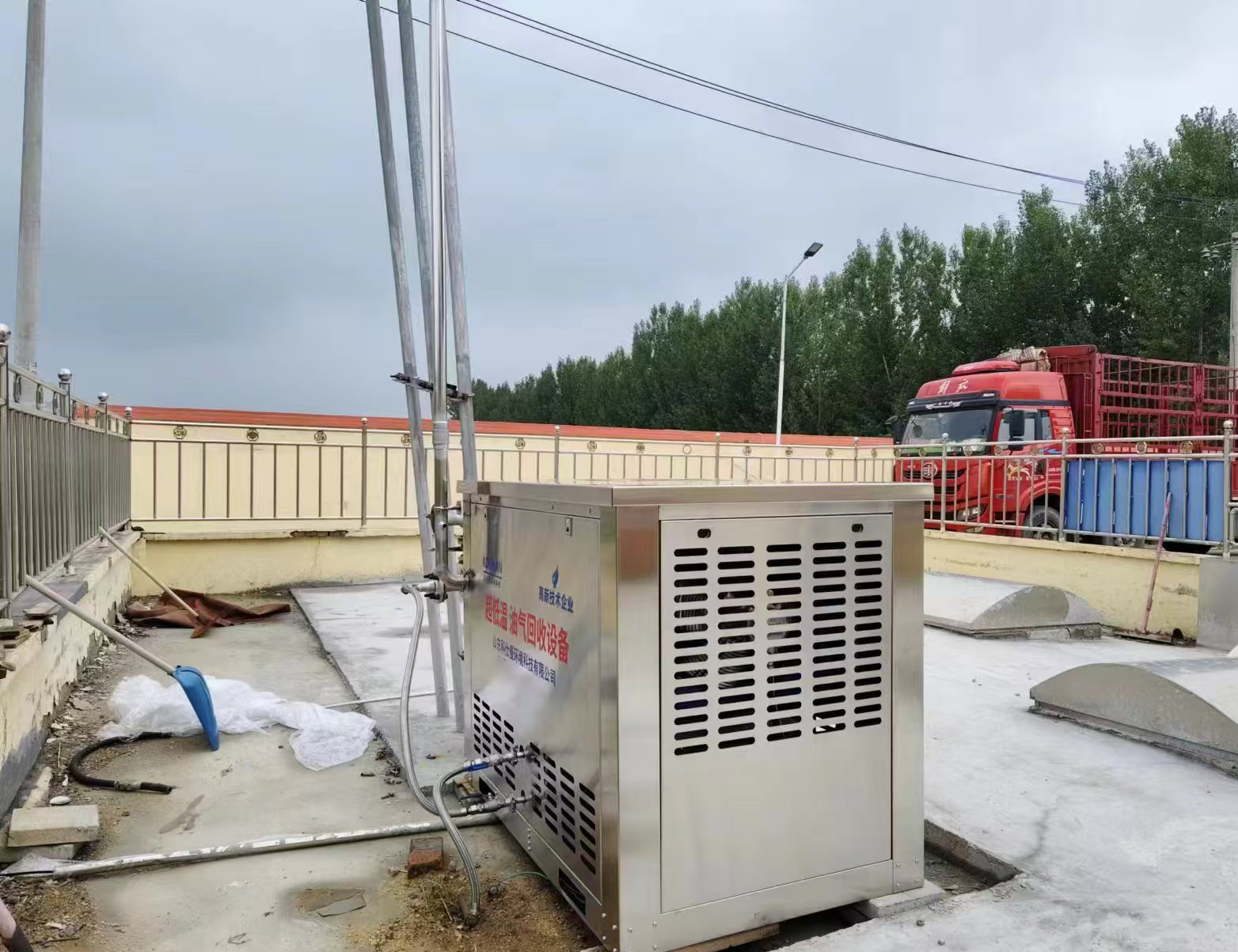
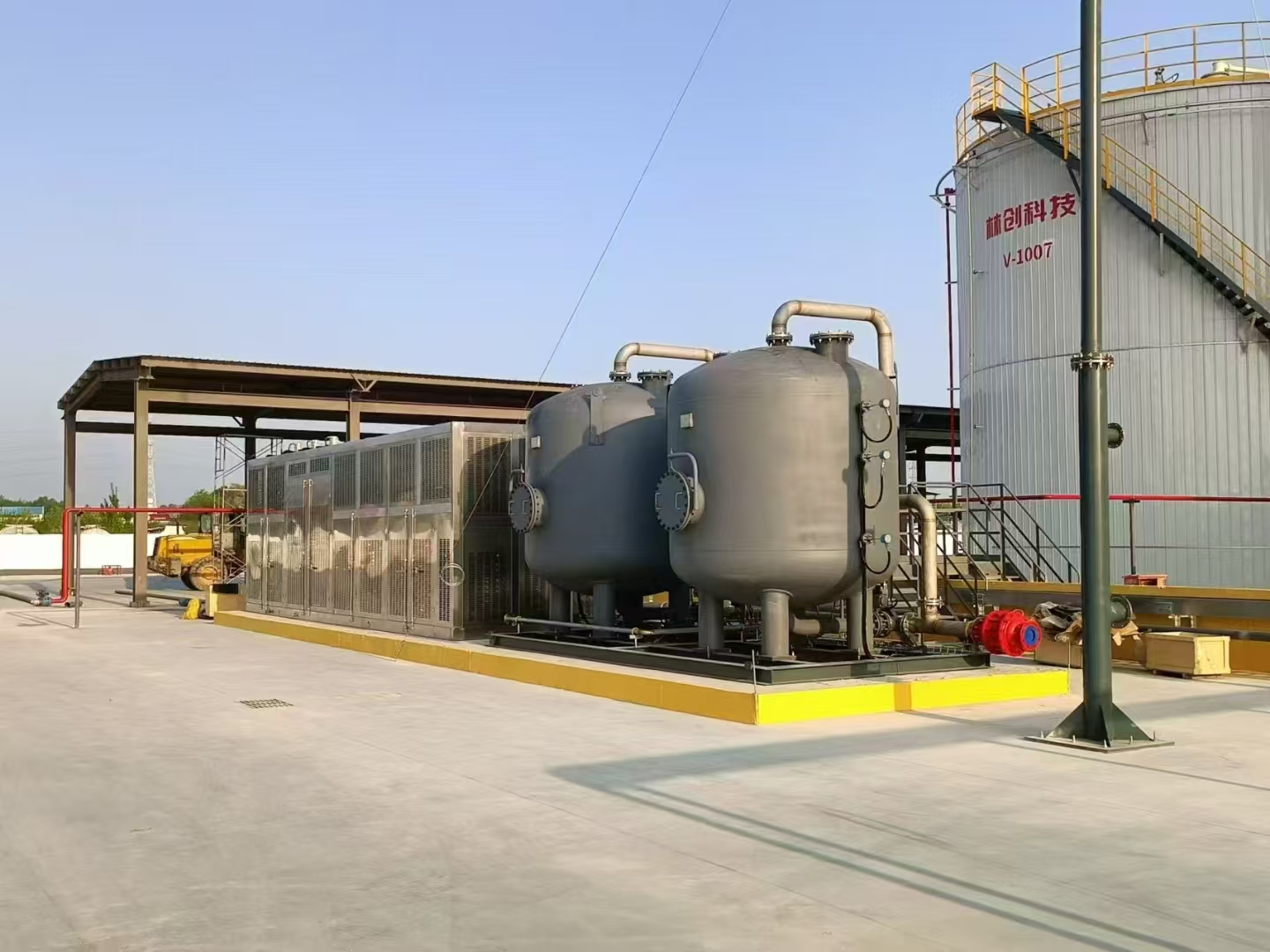
RTO/CO 前面挂冷凝,常被当成“先降点温再进炉”。真到化工、罐区、装车栈台这种工况,冷凝段没设计好,后端炉子不是烧爆,就是堵死。
RTO/CO is often referred to as "cooling down before entering the furnace". When it comes to working conditions such as chemical engineering, tank farms, and loading docks, if the condensation section is not designed properly, the back-end furnace will either explode or be blocked.
先想清楚冷凝段干三件事:
First, think about three things to do in the condensation section:
把高沸点溶剂、油雾、胶质先液化拿掉,别让它们进蓄热体结焦;
Liquefie and remove high boiling point solvents, oil mist, and gum first, and do not let them enter the thermal storage body to form coke;
把水蒸气、反应釜不凝气里的水汽脱掉,防止“带水入炉”热冲击陶瓷;
Remove water vapor and non condensable gas from the reaction vessel to prevent "bringing water into the furnace" from causing thermal shock to the ceramics;
把高浓度段先降浓,入口浓度压到安全区(一般按 LEL 25% 以下设计),同时能回收的溶剂回用。
Reduce the concentration of the high concentration section first, and press the inlet concentration to a safe zone (generally designed below 25% LEL), while reusing the solvent that can be recovered.
分级冷凝比单级实用。
Graded condensation is more practical than single-stage condensation.
单级深冷又费电又混液。工程上常用“预冷(5~15℃)+中冷(-40℃左右)+深冷(-75~-110℃)”三级走:
Single stage deep cooling consumes electricity and mixes liquids. The commonly used three-stage process in engineering is "pre cooling (5-15 ℃)+intermediate cooling (around -40 ℃)+deep cooling (-75~-110 ℃)":
预冷先脱水降湿、收重油;
Pre cooling involves dehydration, dehumidification, and heavy oil recovery;
中冷收主溶剂(甲苯、二甲苯、混合烃);
Intermediate cooling main solvents (toluene, xylene, mixed hydrocarbons);
深冷兜轻组分和不凝气。
Cryogenic bag contains light components and non condensable gases.
分级后回收液按沸点分开,纯度能直接回生产,不然后端一桶黑油全是危废。
After classification, the recovered liquid is separated by boiling point, and the purity can be directly reused in production, otherwise a bucket of black oil at the back end would be hazardous waste.
气液分离比制冷量更关键。
Gas liquid separation is more critical than refrigeration capacity.
冷凝器出口夹液滴,进 RTO/CO 等于往高温陶瓷泼水,陶瓷开裂、阀片卡涩都从这来。冷凝后必须配:
Droplets are trapped at the outlet of the condenser, and entering RTO/CO is equivalent to splashing water onto high-temperature ceramics. Ceramic cracking and valve plate jamming all come from here. After condensation, it must be equipped with:
气液分离器(旋流+丝网);
Gas liquid separator (cyclone+wire mesh);
低点排液阀带伴热、防冻结;
Low point drain valve with heat tracing and anti freezing;
除雾器出口液滴≤20mg/m³。
Droplets at the outlet of the defogger are ≤ 20mg/m ³.
防爆和浓度联锁不能省。
Explosion proof and concentration interlocking cannot be omitted.
冷凝段处理的是高浓度油气,整机 EX 防爆是底线。入口装 VOCs 浓度仪+氧含量监测,超 LEL 25% 自动补新风或切旁路;真空泵后、反应釜冷凝器后、罐区呼吸阀后,都要有温度高高限联锁停料。管道跨接接地,弯头别用直角尖角,积液管定期排。
The condensation section processes high concentration oil and gas, and the bottom line is the EX explosion-proof of the whole machine. Install VOCs concentration meter and oxygen content monitoring at the entrance, automatically supplement fresh air or cut off bypass when exceeding LEL 25%; After the vacuum pump, reactor condenser, and tank area breathing valve, there should be temperature high high limit interlock shutdown. Cross connect the pipeline to the ground, do not use right angled corners for bends, and regularly drain the liquid accumulation pipe.
和 CO/RTO 的衔接逻辑:
The connection logic with CO/RTO:
冷凝收完→不凝气进 CO(低浓度、有催化剂,300~400℃氧化)或 RTO(760℃以上彻底分解)。
After condensation, non condensable gas enters CO (low concentration, with catalyst, oxidized at 300-400 ℃) or RTO (completely decomposed above 760 ℃).
CO 前别带水和胶质,催化剂孔堵了不可逆;
Do not bring water and gum before CO, as the catalyst pores are irreversibly blocked;
RTO 前别带可聚合组分,苯乙烯、丙烯酸酯、硅氧烷进炉会糊陶瓷,压降每月涨几个点,蓄热体寿命从5年变1年。
Before RTO, do not bring polymerizable components. Styrene, acrylic ester, and siloxane will paste ceramics when entering the furnace, and the pressure drop will increase a few points per month. The service life of the heat storage body will change from 5 years to 1 year.
运行期三个漏点:
Three leakage points during the operation period:
换热翅片结霜/挂蜡:前端没过滤,高沸物粘在冷面,换热衰减;
Frosting/waxing of heat exchange fins: The front end is not filtered, and high boiling materials stick to the cold surface, resulting in heat transfer attenuation;
回收液乳化:水油不分层,说明预冷段温度没控好或破乳没做;
Emulsification of recycled liquid: If the water and oil do not separate, it indicates that the temperature in the pre cooling section is not well controlled or the demulsification is not done;
不凝气波动:罐区呼吸气白天热、夜里冷,冷凝负荷跳变,PLC 要按露点自适应调级。
Non condensable gas fluctuation: The breathing gas in the tank area is hot during the day and cold at night, and the condensation load fluctuates. The PLC needs to adaptively adjust according to the dew point.
验收看组合指标,不单看“排放达标”:
Acceptance is based on combination indicators, not just on "emission standards":
冷凝回收率(中高浓度工况,回收率可做到90%以上);
Condensation recovery rate (under medium to high concentration conditions, the recovery rate can reach over 90%);
入口浓度削减值;
Inlet concentration reduction value;
不凝气进炉前 LEL 余量;
LEL margin before non condensable gas enters the furnace;
蓄热体/催化剂压差月衰减率;
Monthly decay rate of pressure difference between thermal storage body/catalyst;
回收液纯度与回用可行性。
Purity of recycled liquid and feasibility of reuse.
冷凝+CO/RTO 的本质,不是“两套设备拼一起”,是把“先拿资源、再烧尾巴”拆成两段算账:冷凝段是收入项(回用溶剂),氧化段是合规项(兜底排放)。顺序错了,烧的都是钱和陶瓷。
The essence of condensation+CO/RTO is not to "put two sets of equipment together", but to separate "take resources first, then burn the tail" into two parts for accounting: the condensation section is the revenue item (reuse of solvents), and the oxidation section is the compliance item (bottom line emissions). The order is wrong, all the burned items are money and ceramics.