侯恩党13693683012
 侯恩党13693683012
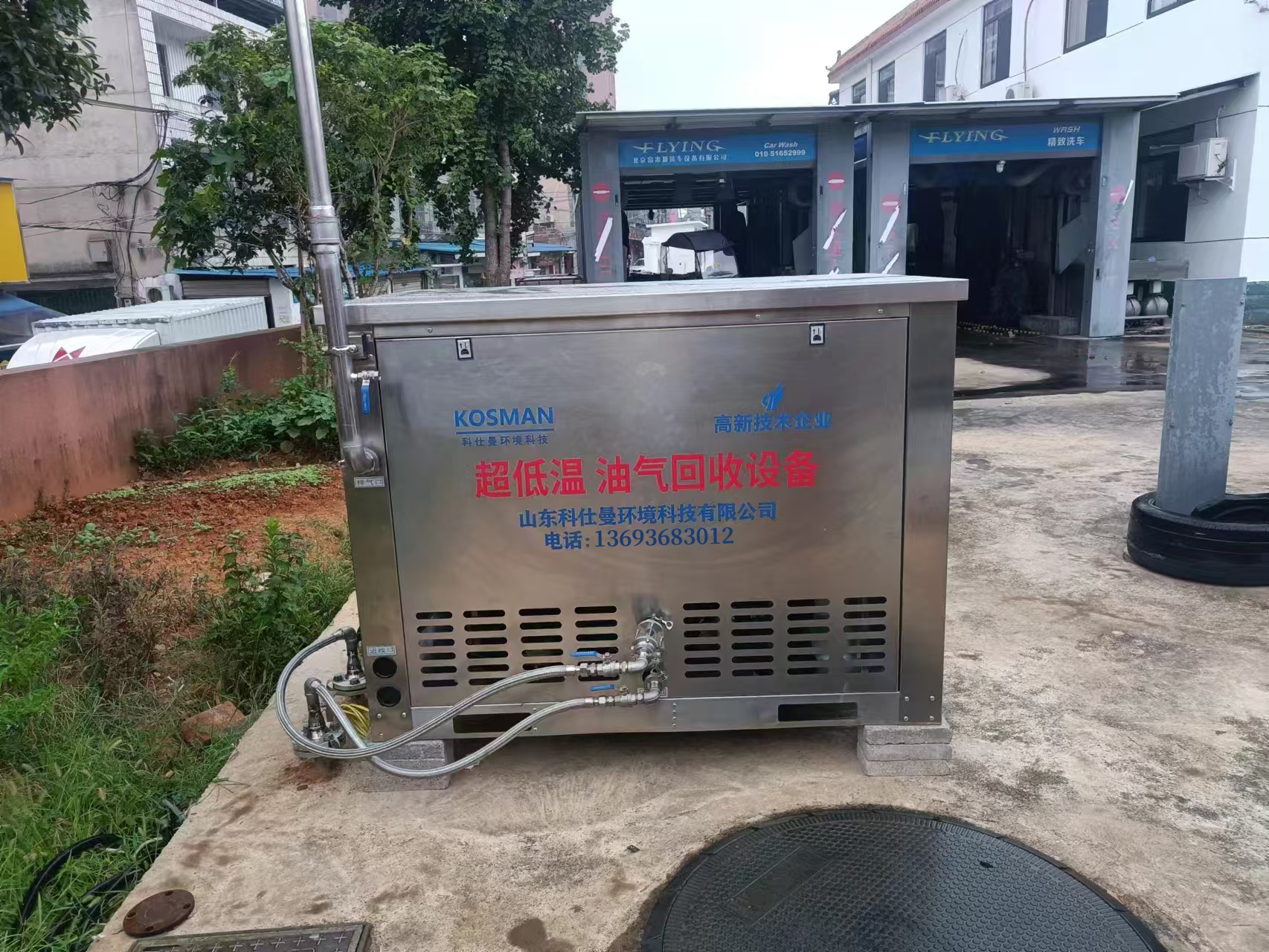
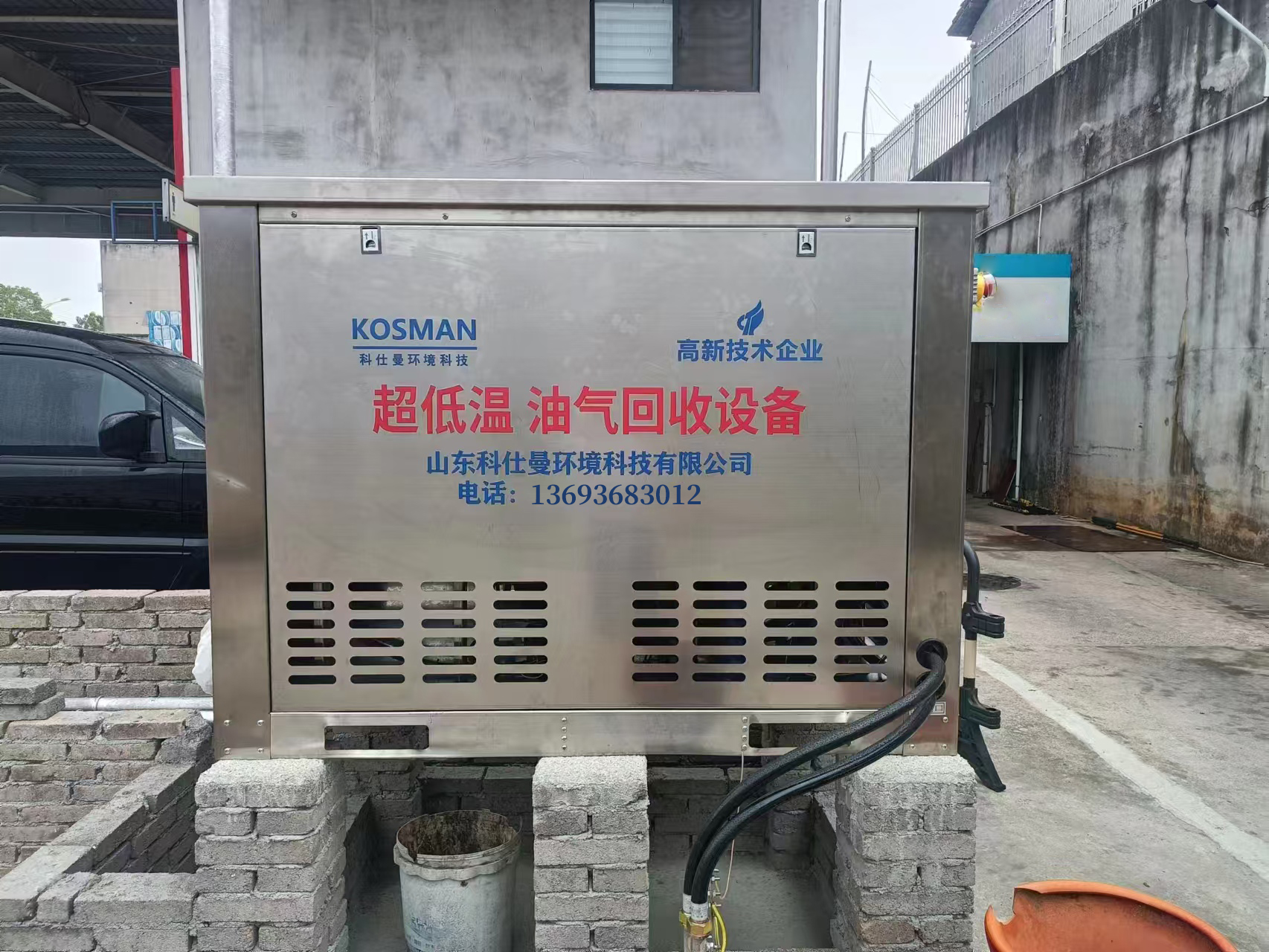
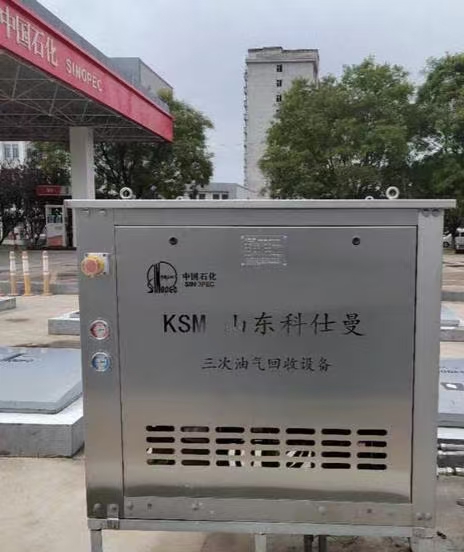
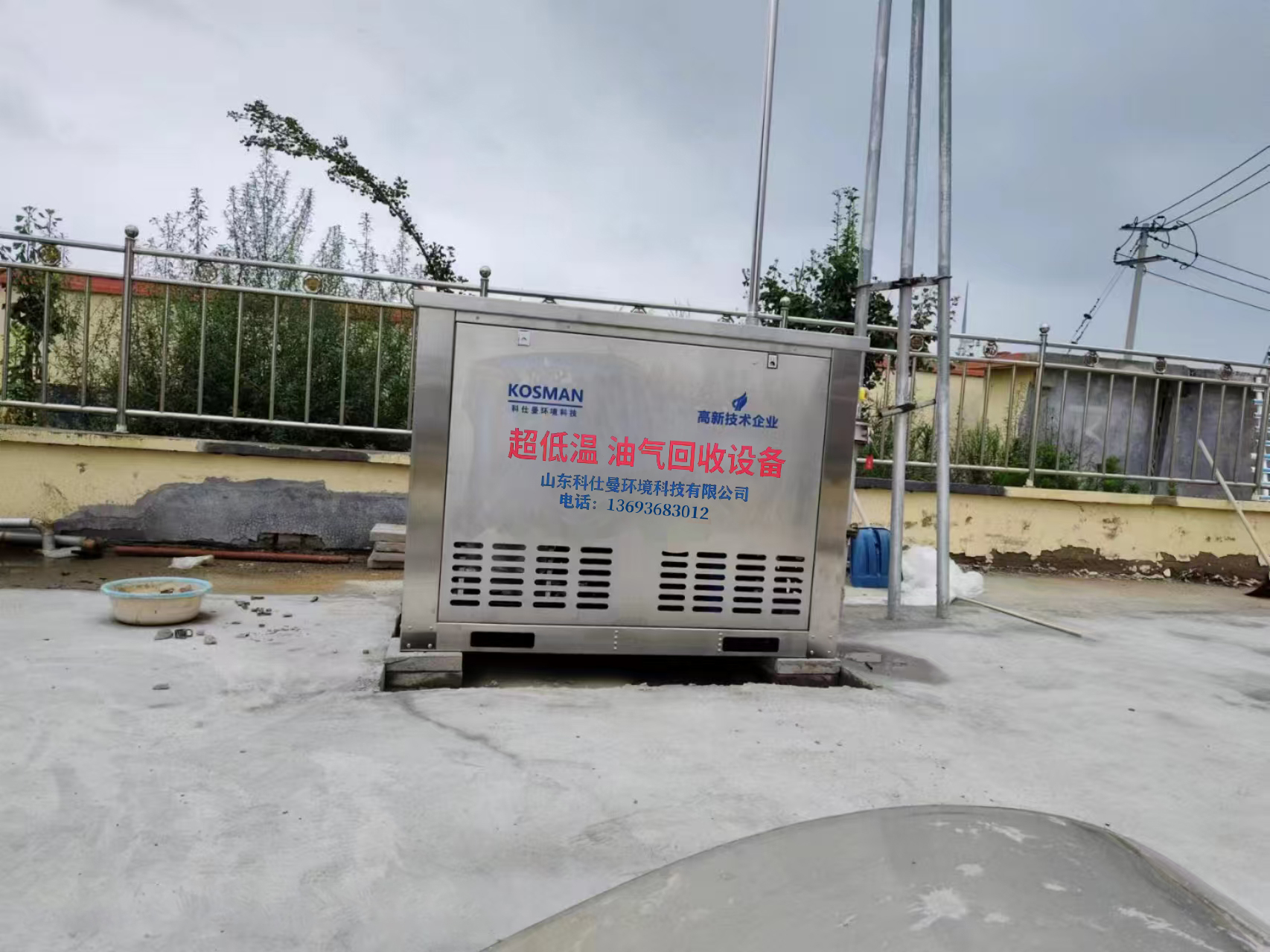
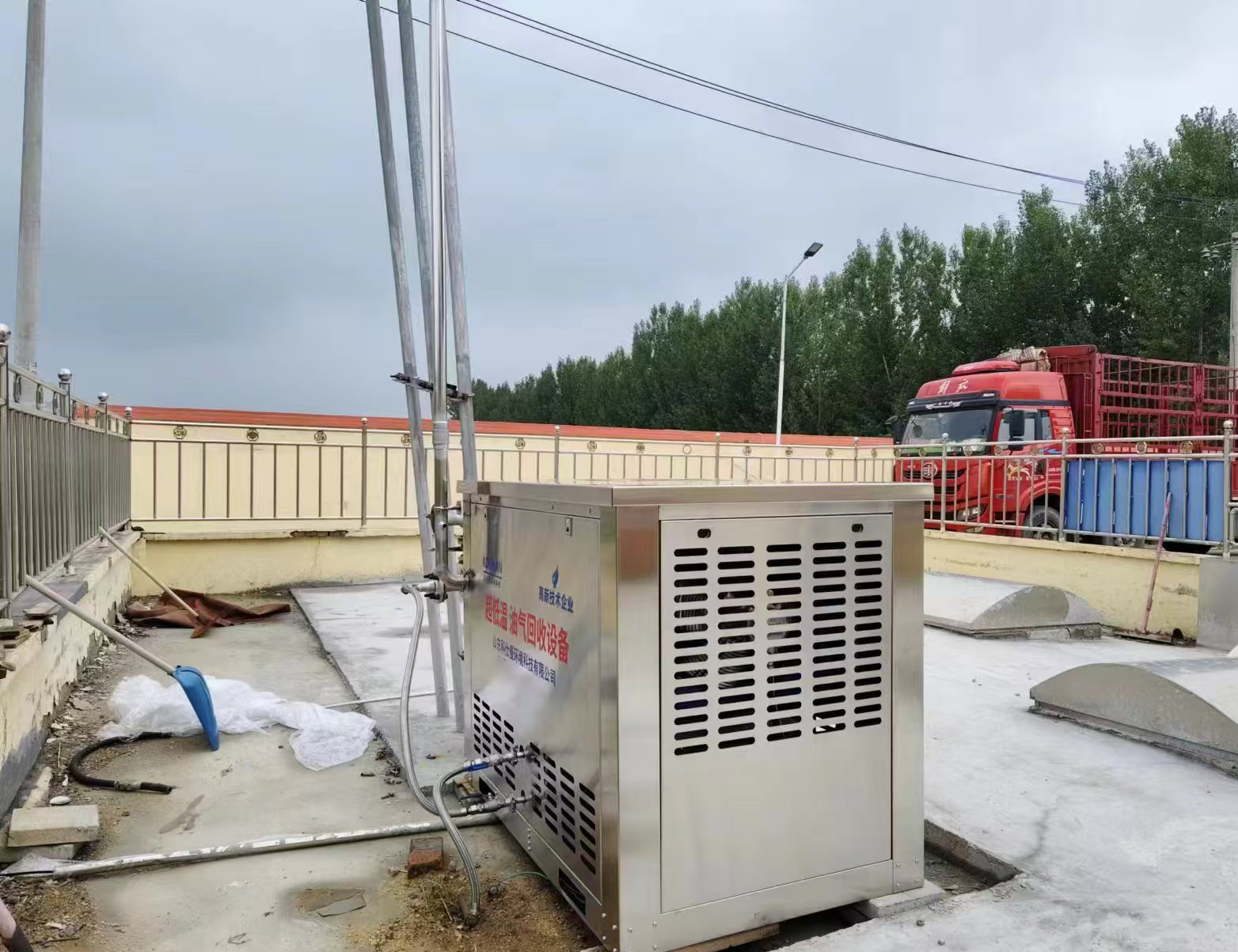
加油站三次油气回收,常被理解成“罐顶装台冷凝机就合规”。真到夏天高温、卸油高峰,出口浓度跳变、回收桶有液但排口还带味——问题往往不在三次设备本身,在前两段漏、三段没协同。
Three rounds of oil and gas recovery at gas stations are often understood as' installing a condenser on the top of the tank is compliant '. In the summer, with high temperatures and peak oil unloading, the concentration at the outlet fluctuates, and there is liquid in the recycling bin but still a smell at the outlet - the problem often lies not in the equipment itself, but in the leakage in the first two stages and the lack of coordination in the third stage.
先理清三段各自守什么:
First, clarify what each of the three paragraphs is guarding:
一次(卸油):罐车气相回地下罐,快速接头密闭,先接管再开阀,结束先关阀再拔管;
One time (unloading oil): The gas phase of the tanker truck returns to the underground tank, the quick connector is sealed, the pipe is connected first and then the valve is opened, and after the end, the valve is closed first and then the pipe is pulled out;
二次(加油):油枪集气罩+同轴软管+真空泵,把油箱挤出的气抽回罐,气液比锁在1.0–1.2;
Secondary (refueling): oil gun gas collection hood+coaxial hose+vacuum pump, extract the gas squeezed out of the fuel tank back into the tank, and lock the gas-liquid ratio at 1.0-1.2;
三次(末端):处理罐呼吸阀/压力平衡排出的富集气,冷凝液化+吸附兜底,排口达标。
Three times (end): Process the enriched gas discharged from the breathing valve/pressure balance of the tank, condense and liquefy it, and adsorb it to the bottom, with the discharge outlet meeting the standard.
二次气液比掉到0.9以下,罐里油气越积越多,三次设备常年满负荷,活性炭提前穿透、冷凝负荷超载。所以三次设备选型前,先把二次气液比和卸油密闭性测一遍,别直接堆大机器。
The secondary gas-liquid ratio drops below 0.9, and the oil and gas in the tank accumulate more and more. The tertiary equipment is always at full load, and the activated carbon penetrates in advance and the condensation load is overloaded. So before selecting the third equipment, first test the secondary gas-liquid ratio and oil discharge tightness, and do not directly pile up the machine.
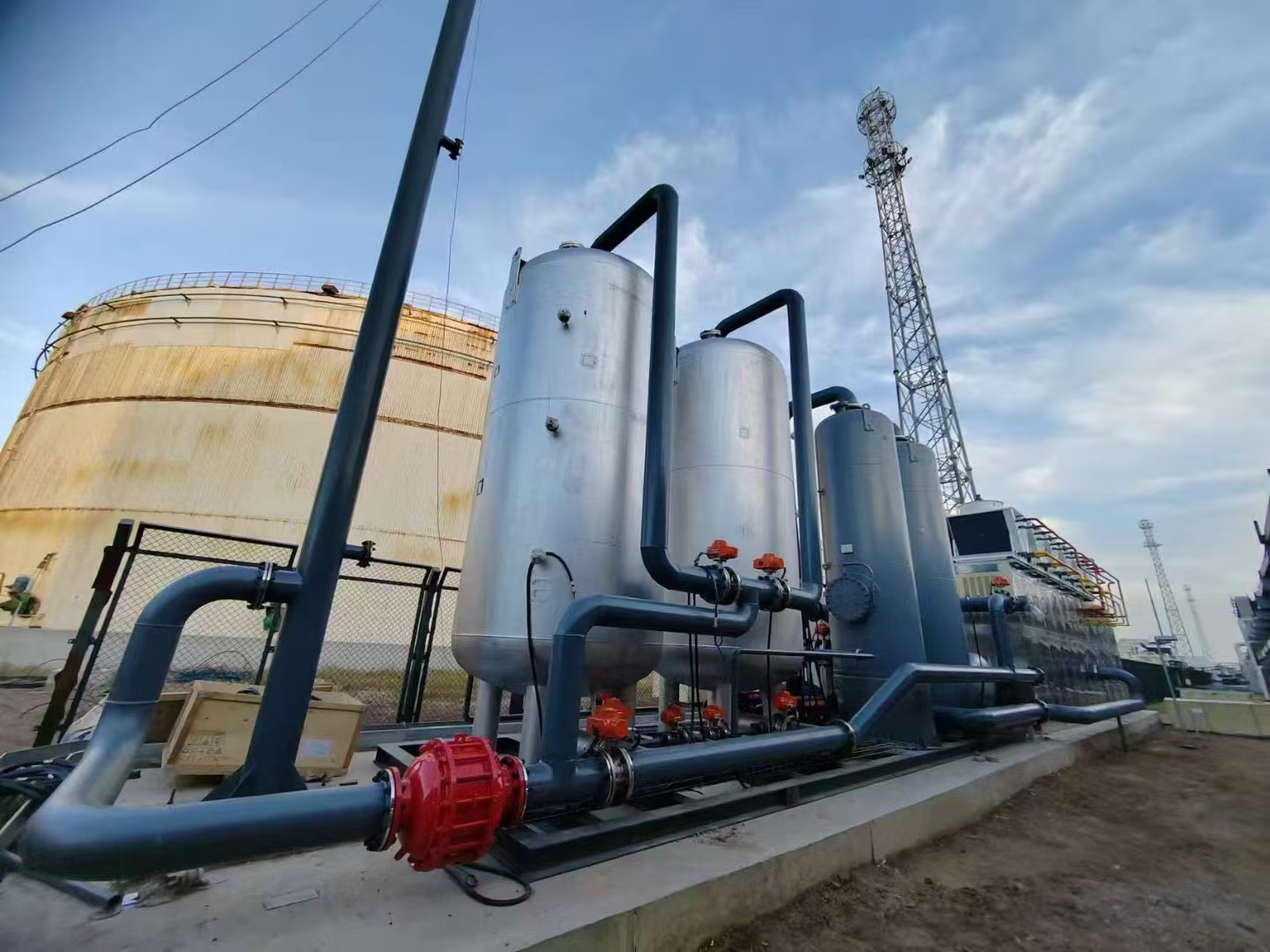
三次设备看工艺组合,不看“超低温”三个字:
Check the process combination for three devices, without looking at the words "ultra-low temperature":
小站、间歇运行:变频冷凝+吸附罐,预冷除水→中冷收液→深冷兜底→活性炭截尾;
Small station, intermittent operation: frequency conversion condensation+adsorption tank, pre cooling water removal → intermediate cooling liquid collection → deep cooling bottom protection → activated carbon tail cutting;
高周转站:冷凝分级(如4℃/-40℃/-75℃级配),气液分离要带除雾,别让液滴带进吸附床;
High turnover station: condensation classification (such as 4 ℃/-40 ℃/-75 ℃ grading), gas-liquid separation should be carried out with defogging to prevent liquid droplets from entering the adsorption bed;
排放严控区:冷凝回收后接小风量CO或催化尾烧,出口非甲烷总烃往10mg/m³靠。
Strict emission control zone: After condensation and recovery, small air volume CO or catalytic tail burning is connected, and the outlet of non methane total hydrocarbons is directed towards 10mg/m ³.
运行期几个硬动作:
Several hard actions during runtime:
启停跟罐压走:压力感应启动值按站点工况设(常见+150Pa启、0–50Pa停),卸油期间不许停机;
Start stop and tank pressure departure: The pressure sensing start value is set according to the station operating conditions (commonly+150Pa start, 0-50Pa stop), and the machine cannot be stopped during oil unloading;
冷凝段防带水结霜:油气先除水再进深冷,翅片结霜、换热器挂蜡就清,制冷效率掉了先查前级除水;
Preventing water carryover and frosting in the condensation section: The oil and gas are first dehydrated before entering the deep cooling stage. The fins are frosted and the wax on the heat exchanger is removed. If the refrigeration efficiency drops, check the previous stage for water removal first;
活性炭别等穿透再换:前后浓度差监测,高频站1–2年、低频站2–3年,碘值不够的炭等于摆设;
Don't wait for activated carbon to penetrate before replacing: monitor the concentration difference before and after, with 1-2 years for high-frequency stations and 2-3 years for low-frequency stations. Charcoal with insufficient iodine value is like decoration;
真空泵/压缩机:油位每周看,液环泵工作液定期换,异常噪音先查油质再查机械;
Vacuum pump/compressor: Check the oil level weekly, change the working fluid of the liquid ring pump regularly, and check the oil quality before checking the machinery for abnormal noise;
在线数据留真:压力、温度、回收量、排放浓度传平台,传感器季度标气校准,别让“假在线”变成飞行检查雷点。
Real online data retention: pressure, temperature, recovery amount, emission concentration are transmitted to the platform, and sensors are calibrated with quarterly standard gas to prevent "false online" from becoming a lightning point for flight inspection.
验收前自测三硬指标+排放:
Self testing of three hard indicators and emissions before acceptance:
气液比0.9–1.3(国标区间1.0–1.2);
Gas liquid ratio 0.9-1.3 (national standard range 1.0-1.2);
系统密闭性5分钟压降合格,泄漏点≤500µmol/mol;
The pressure drop within 5 minutes of system sealing is qualified, and the leakage point is ≤ 500 µ mol/mol;
液阻≤40Pa@18L/min;
Liquid resistance ≤ 40Pa@18L /min;
排放口浓度≤25g/m³(国标)/严控区≤10g/m³,排口高度≥4m。
Discharge outlet concentration ≤ 25g/m ³ (national standard)/strict control zone ≤ 10g/m ³, discharge outlet height ≥ 4m.
合同里别只写“处理量XX m³/h”。要写清:工况气量波动范围、入口浓度范围、冷凝分级温度、回收液回用路径、活性炭装填量与更换周期、LEL/氧含量联锁、防爆等级(整机ExdⅡBT4级配)、72小时连续运行考核条款。
Don't just write 'processing capacity XX m ³/h' in the contract. To clearly state: fluctuation range of operating gas volume, inlet concentration range, condensation classification temperature, recovery liquid reuse path, activated carbon loading amount and replacement cycle, LEL/oxygen content interlock, explosion-proof level (Exd Ⅱ BT4 grading of the whole machine), 72 hour continuous operation assessment clause.
三次回收的本质,不是末端补一台机器,是把“卸油—加油—呼吸”三股气收得住、分得开、液能回、排能稳。前两段漏风,三次再冷也冷不出合规数据。
The essence of three rounds of recycling is not to add a machine at the end, but to capture, separate, recycle, and discharge the three gases of "unloading oil refueling breathing". The first two sections leaked air, and even if it was cooled three times, it still couldn't produce compliance data.