侯恩党13693683012
 侯恩党13693683012
很多工厂上VOCs回收装置,第一步就踩坑:把罐区呼吸气、装车尾气、污水站臭气全汇到一根总管,再指望一台设备全吃掉。结果不是排放卡线,就是回收液混着水、硫化物,没法回用。
Many factories install VOCs recycling devices, but the first step is to trap them: collecting all the tank area breathing gas, truck exhaust, and sewage station odors into one main pipe, and then expecting one device to consume them all. The result is either a stuck discharge line or the recycled liquid mixed with water and sulfides, which cannot be reused.

VOCs回收的前提,是先看“气从哪来、里面有什么”。
The premise of VOCs recycling is to first look at where the gas comes from and what is inside.
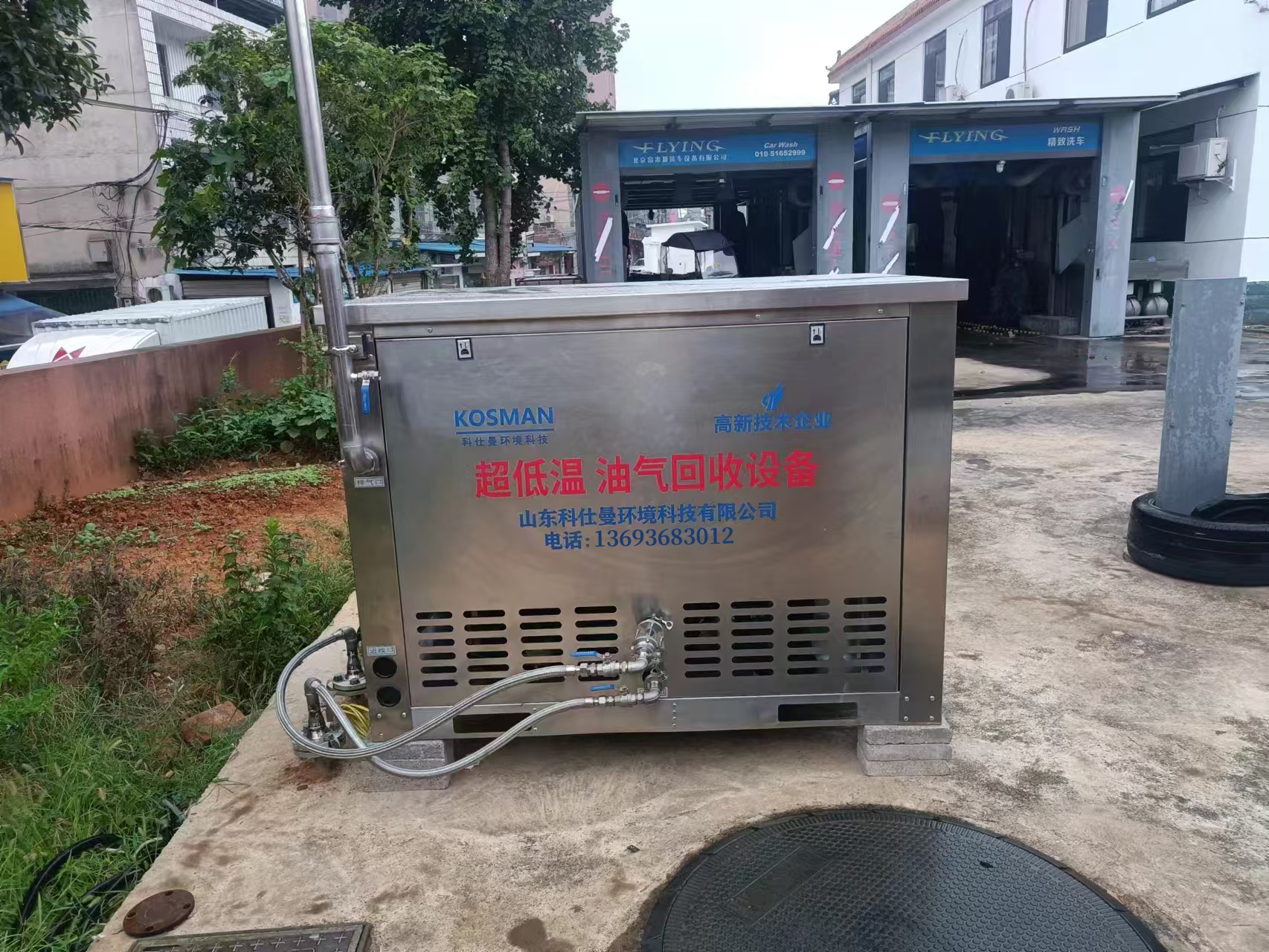
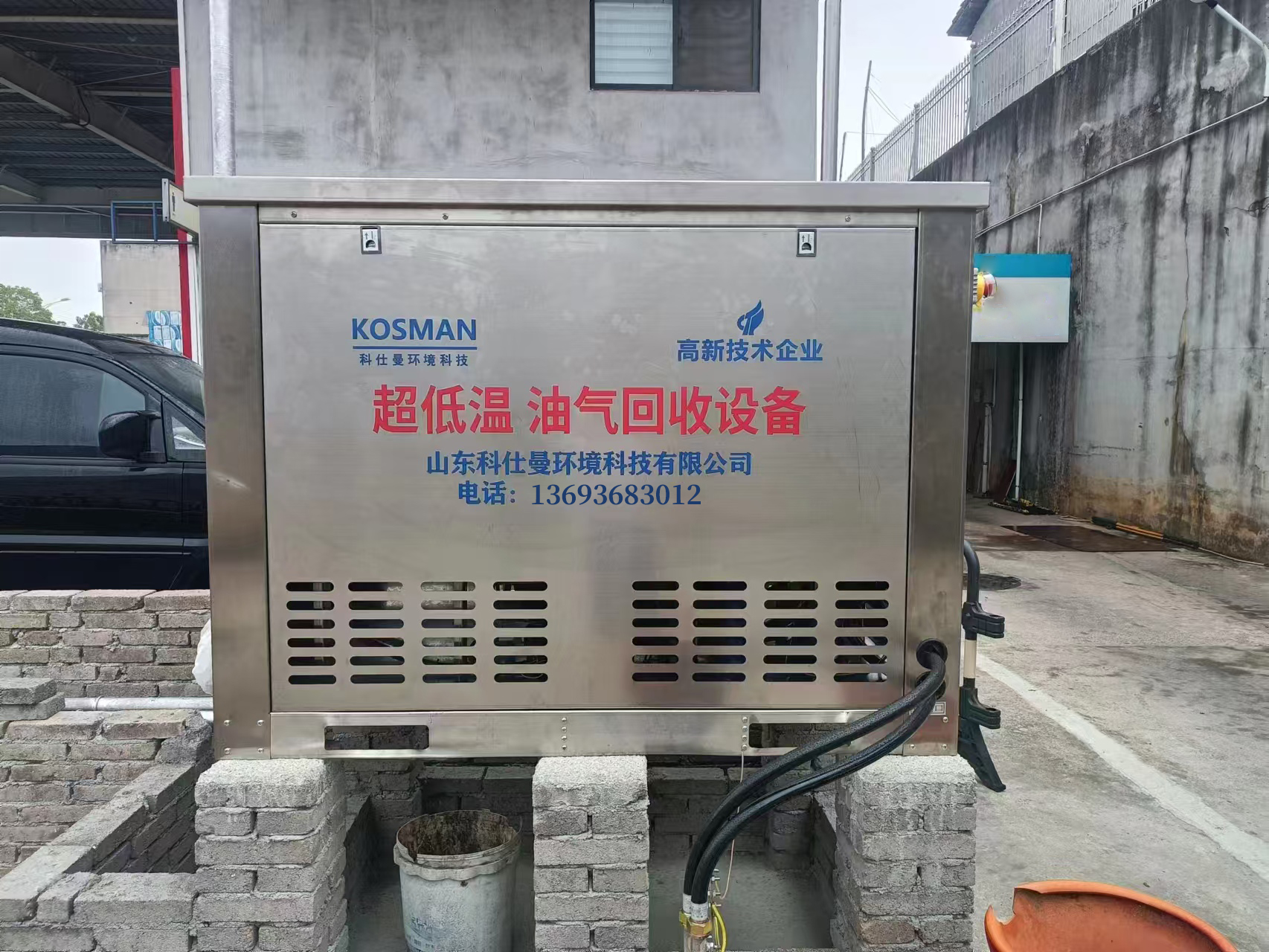
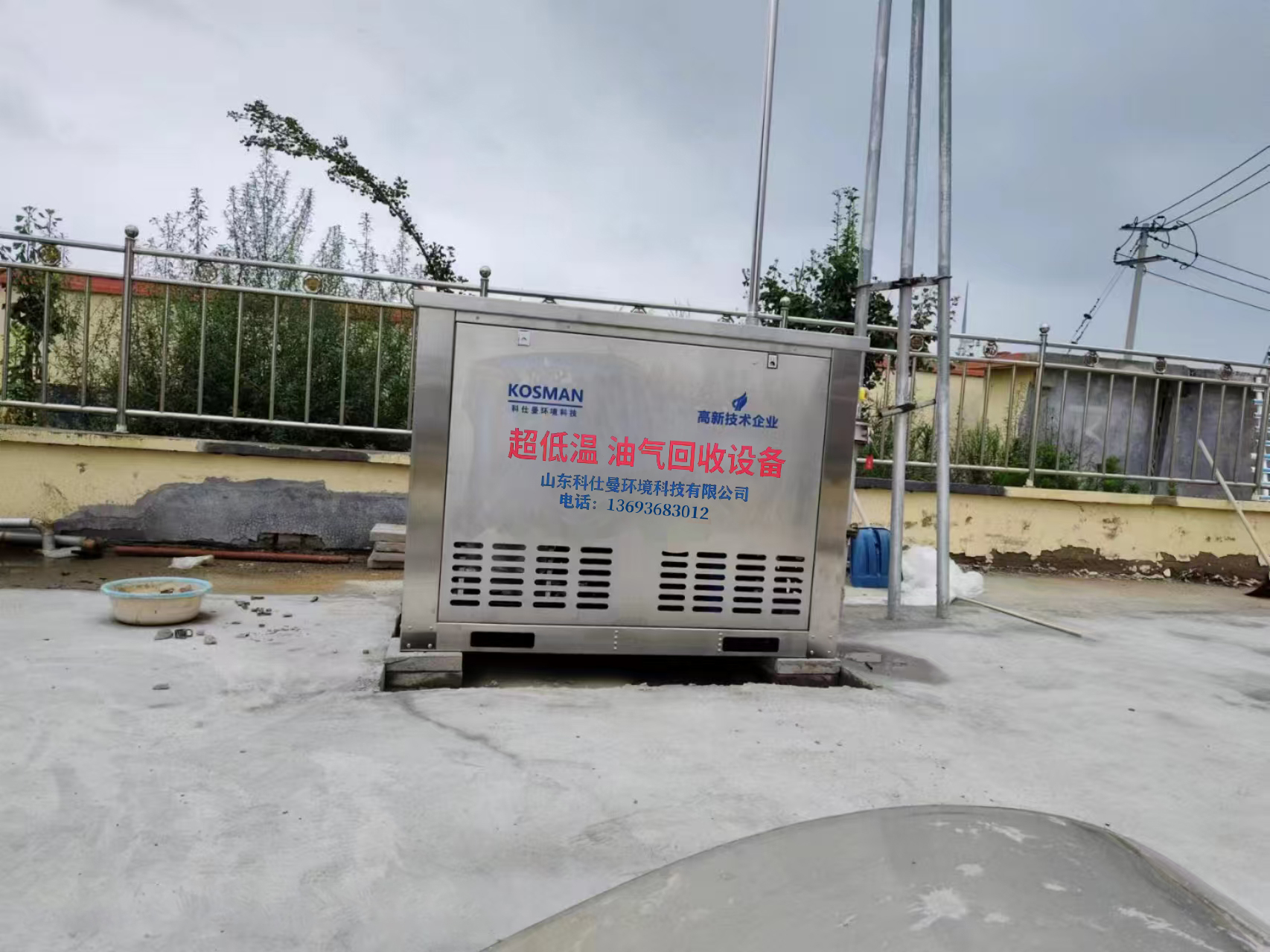
罐区呼吸气,浓度高、组分相对单一,以汽油、苯系物、轻烃为主,适合走冷凝+吸附路线。先靠梯度降温把大部分油汽液化回收,剩余低浓度尾气再进吸附单元兜底。
The breathing gas in the tank area has a high concentration and relatively single components, mainly consisting of gasoline, benzene derivatives, and light hydrocarbons, and is suitable for the condensation+adsorption route. First, use gradient cooling to liquefy and recover most of the oil vapor, and then feed the remaining low concentration tail gas into the adsorption unit for bottom protection.
装车栈台尾气是“脉冲式”的。槽车对接瞬间浓度飙升,平时又接近零。这种工况不能按平均浓度选设备,得按峰值风量留余量,同时配缓冲罐,避免把吸附床冲穿。
The exhaust gas from the loading platform is "pulse type". The concentration of the tanker suddenly skyrocketed during docking, and it usually approaches zero. This working condition cannot select equipment based on the average concentration, and a margin should be left according to the peak air volume. At the same time, a buffer tank should be equipped to avoid flushing through the adsorption bed.
污水站废气完全是另一回事。它低浓度、高湿度,还夹带硫化氢、硫醇。直接进活性炭,水汽会抢孔隙,几天就失效。正确顺序是先除雾除湿,再视情况走生物滤池或疏水吸附。
The exhaust gas from sewage stations is completely different. It has low concentration, high humidity, and also carries hydrogen sulfide and thiol. Directly entering activated carbon, water vapor will grab the pores and it will become ineffective in a few days. The correct sequence is to first remove fog and dehumidification, and then use a biological filter or hydrophobic adsorption depending on the situation.
化工反应釜废气复杂。含卤素、酮类、酯类的,得先判腐蚀性:含氯介质换热器要上耐腐材质,深冷温度也得按组分露点重算,不能套用汽油经验值。
The exhaust gas from chemical reaction vessels is complex. For those containing halogens, ketones, and esters, the corrosiveness must be judged first: chlorine containing medium heat exchangers should be made of corrosion-resistant materials, and the cryogenic temperature should also be recalculated based on the dew point of the components, and gasoline empirical values cannot be used.
选型时盯四个参数就够了:浓度、风量、组分、温湿度。高浓度先回收,中浓度考虑焚烧,低浓度大风量先浓缩,可生化的交给生物法。
When selecting, it is enough to focus on four parameters: concentration, air volume, composition, and temperature and humidity. High concentration should be recovered first, medium concentration should be considered for incineration, low concentration should be concentrated first with high wind volume, and biodegradable materials should be handed over to biological methods.
还有一点容易被忽略:回收下来的溶剂怎么存。敞口桶放置,10%–15%的VOCs会二次挥发。必须氮封+呼吸阀,密闭周转,不然“回收了等于没回收”。
Another point that is easily overlooked is how to store the recovered solvent. When placed in an open bucket, 10% -15% of VOCs will undergo secondary volatilization. Nitrogen sealing and breathing valve must be used for closed circulation, otherwise 'recycling is equivalent to not recycling'.
装置不是越大越好,是“分质分流”比“集中硬处理”更省钱。先把废气摸清楚,再定工艺链,运行费和合规风险都能降下来。
The larger the device, the better. It is more cost-effective to "separate quality and distribution" than "centralized hard processing". First, thoroughly investigate the exhaust gas before determining the process chain, which can reduce operating costs and compliance risks.
本文由VOCs回收装置友情奉献.更多有关的知识请点击:http://www.kosman2018.com我们将会对您提出的疑问进行详细的解答,欢迎您登录网站留言.
This article is a friendly contribution from VOCs recycling equipment For more information, please click: http://www.kosman2018.com We will provide detailed answers to your questions. You are welcome to log in to our website and leave a message