侯恩党13693683012
 侯恩党13693683012
一套完整的油气回收体系,通常分三个阶段,构成一道立体防线:
A complete oil and gas recovery system is usually divided into three stages, forming a three-dimensional defense line:
第一阶段:卸油回收
Phase 1: Unloading and Recycling of Oil
目标:油罐车向地下储油罐卸油时,置换出的油气。
Objective: The oil and gas displaced when the oil tanker unloads oil from the underground storage tank.
原理:通过密闭管线,将地下油罐内被液体挤出的油气,“反向”输送回油罐车的空余空间。实现了“你来我往”的平衡交换,杜绝了卸油时油气外逸。
Principle: The oil and gas squeezed out of the underground oil tank by the liquid are transported back to the empty space of the oil tanker in the "reverse" direction through a closed pipeline. Realized a balanced exchange of 'you come and I go', eliminating the escape of oil and gas during oil unloading.
第二阶段:储油与加油回收
Phase 2: Storage and Refueling Recovery
目标:日常储存及为汽车加油过程中产生的油气。
Goal: Daily storage and refueling of oil and gas generated during the process of refueling the car.
原理:核心在于“压力平衡”。在加油时,通过 specially designed 的真空泵(如基于真空辅助或油气平衡原理),将汽车油箱内溢出的油气,经油枪上的特殊回收孔、地下管道抽回至储油罐内存储。此阶段技术要求最高,是日常控制排放的主力。
Principle: The core lies in "pressure balance". When refueling, the oil and gas overflowing from the car's fuel tank are pumped back into the storage tank through a specially designed vacuum pump (such as based on vacuum assist or oil gas balance principle) through a special recovery hole on the oil gun and underground pipeline. This stage has the highest technical requirements and is the main force for daily emission control.
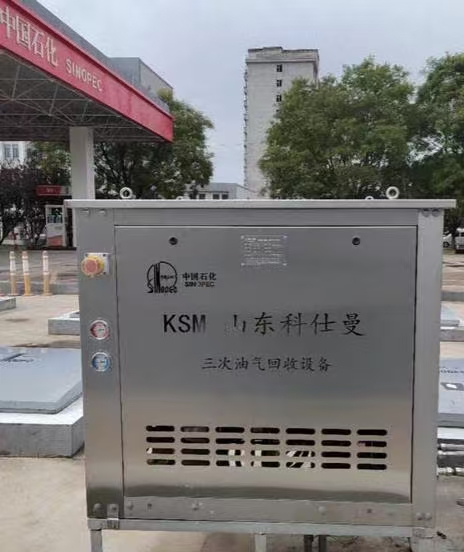
第三阶段:末端深度处理与回收
Phase 3: End of pipe deep processing and recycling
目标:对储油罐内积聚的、富集的油气进行集中净化处理。
Objective: To concentrate and purify the accumulated and enriched oil and gas in the oil storage tank.
原理:当罐内气压达到设定值时,油气进入处理装置。主流技术包括:
Principle: When the pressure inside the tank reaches the set value, oil and gas enter the processing device. The mainstream technologies include:
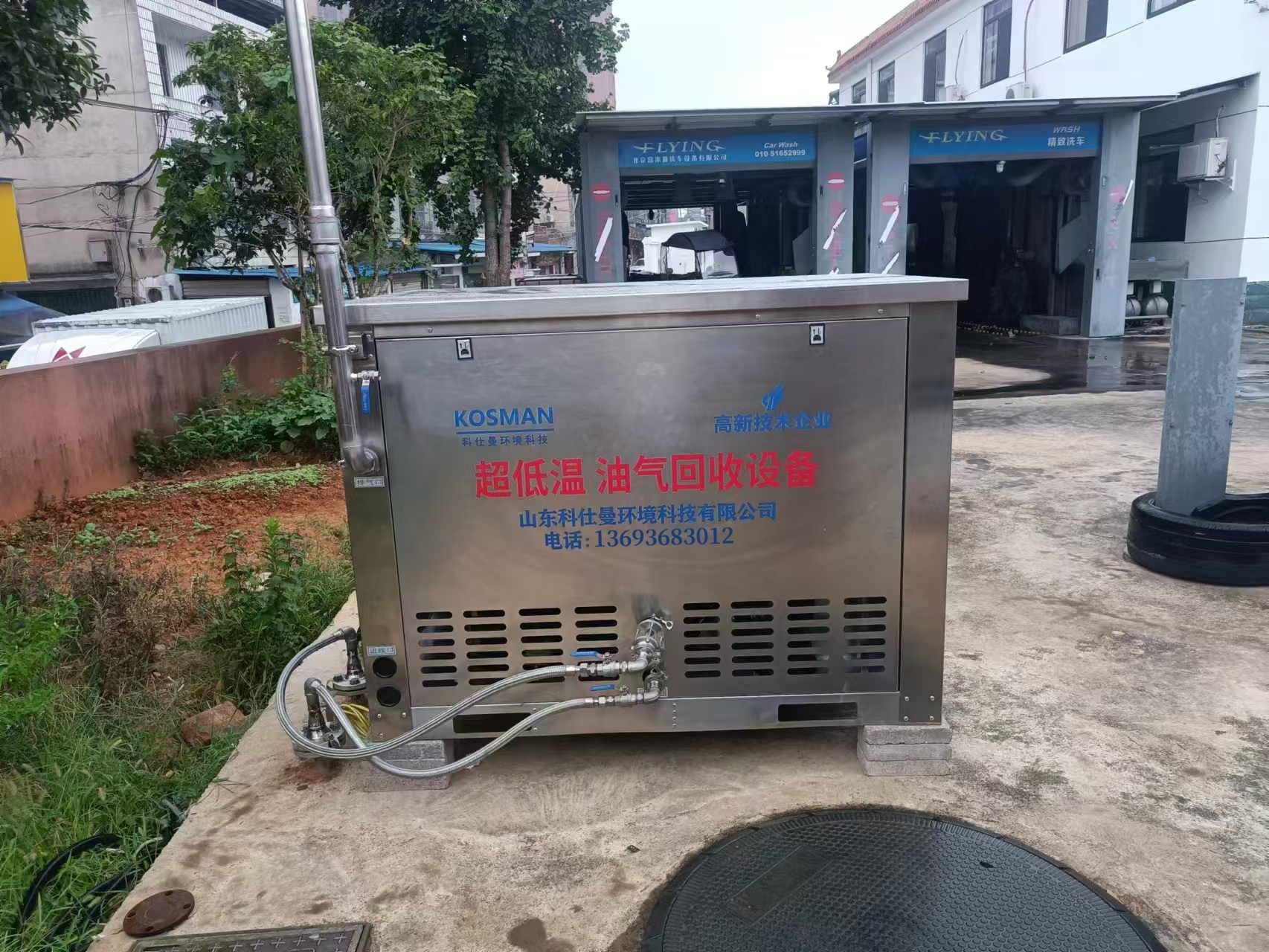
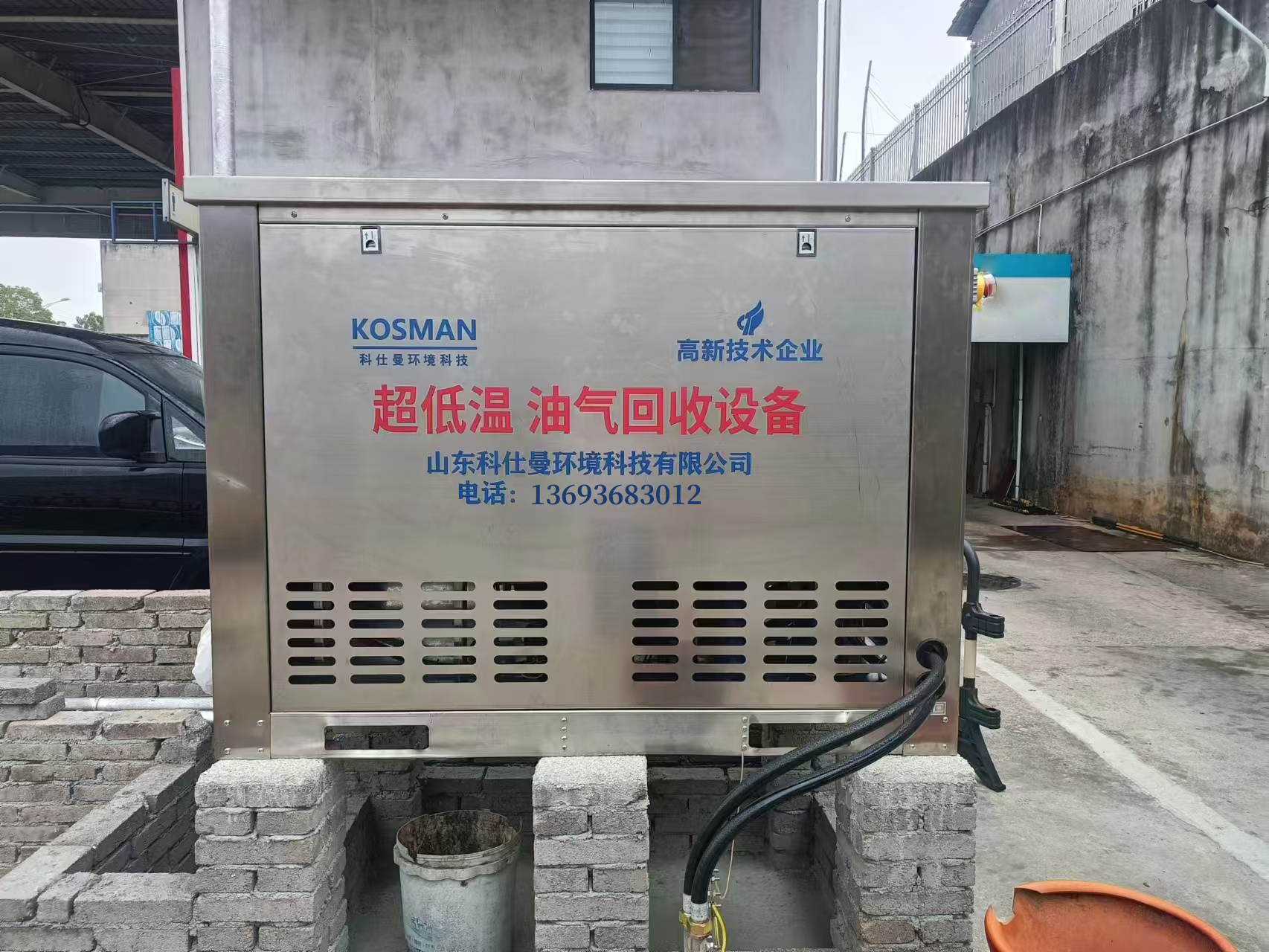
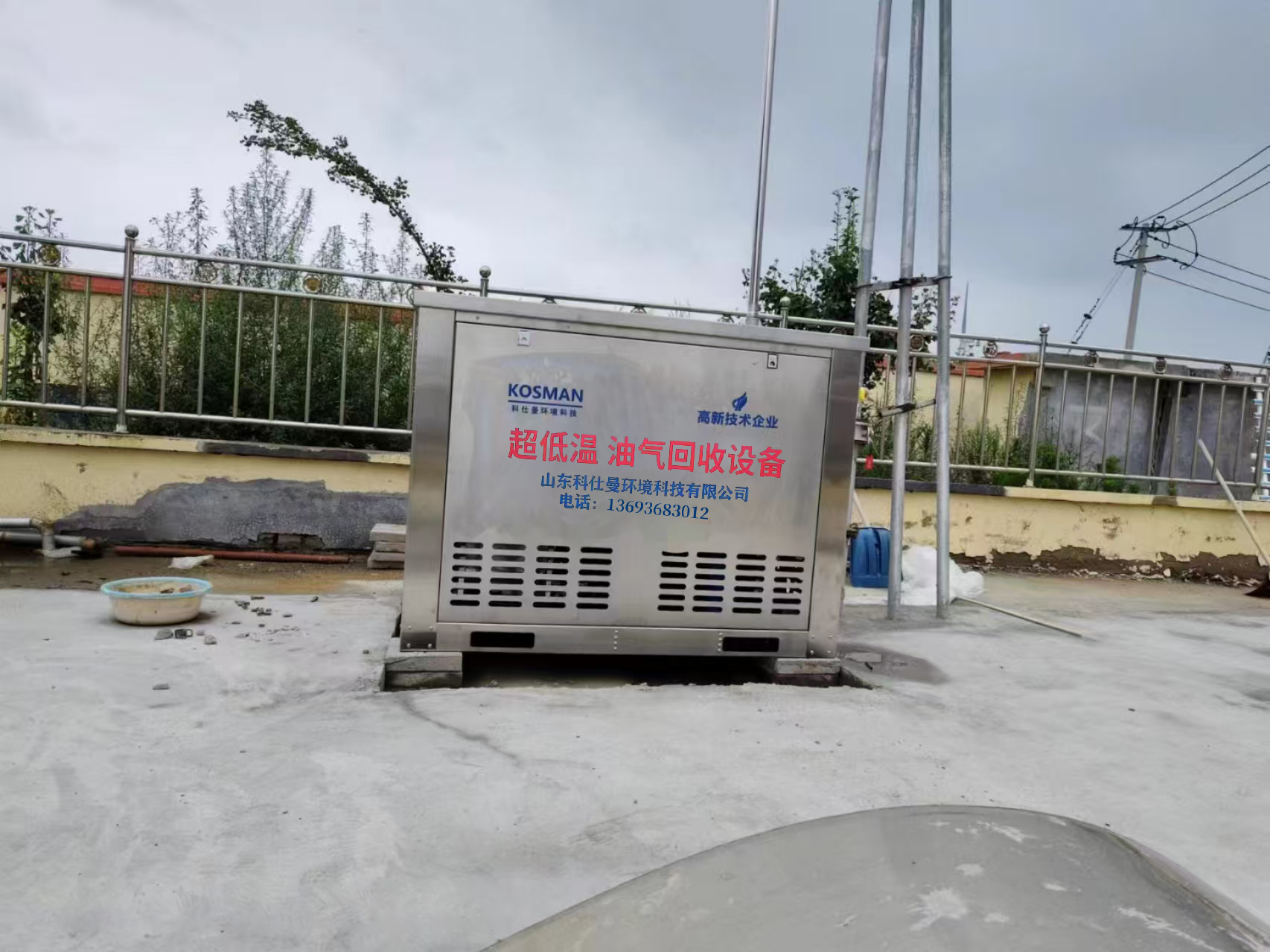
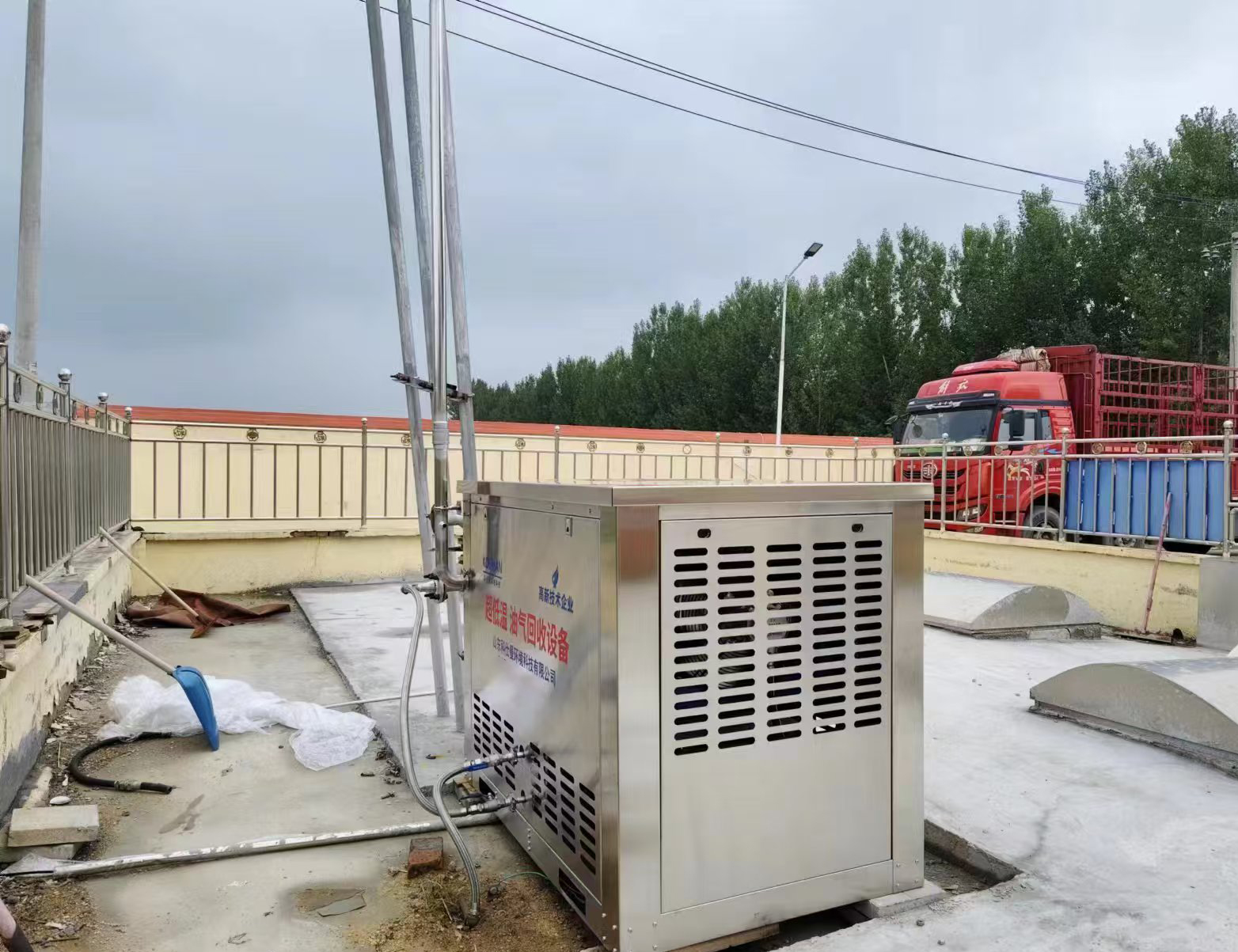
冷凝法:将油气深度冷却至零下数十度,使其冷凝为液态油。回收纯度高,是当前的主流和推荐技术。
Condensation method: Deeply cool the oil and gas to tens of degrees below zero to condense it into liquid oil. Recycling with high purity is currently the mainstream and recommended technology.
吸附法:利用活性炭等吸附剂吸收油气,后再进行脱附回收。技术成熟,但可能存在二次废物。
Adsorption method: using activated carbon and other adsorbents to absorb oil and gas, followed by desorption and recovery. The technology is mature, but there may be secondary waste.
膜分离法:利用特殊薄膜对油气分子的选择性透过进行分离。适用于高浓度油气。
Membrane separation method: using a special thin film to selectively separate oil and gas molecules. Suitable for high concentration oil and gas.
三个阶段环环相扣,构成了从产生到收集再到最终回收的闭环。
The three stages are interrelated, forming a closed loop from generation to collection and ultimately to recycling.