侯恩党13693683012
 侯恩党13693683012
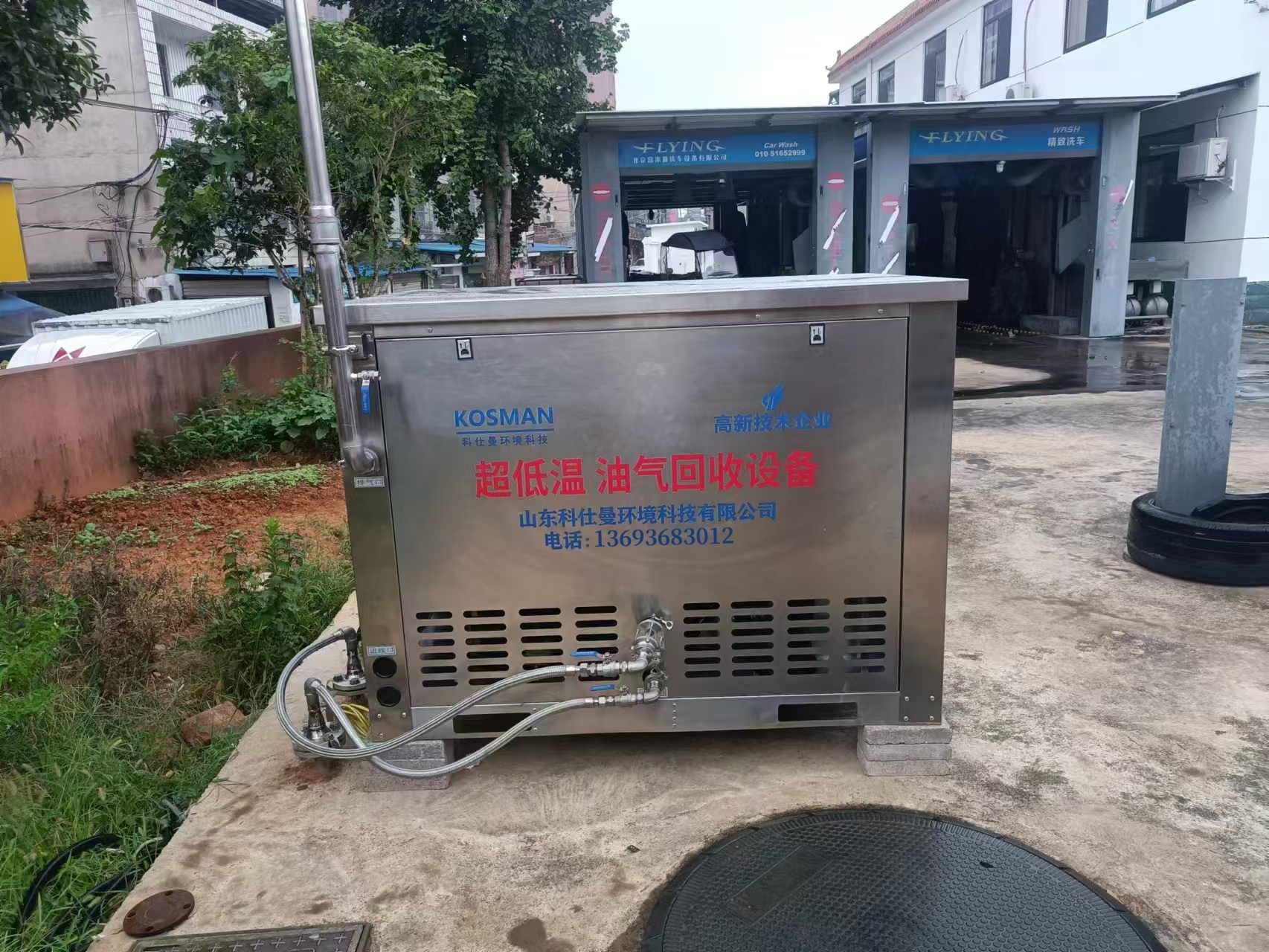
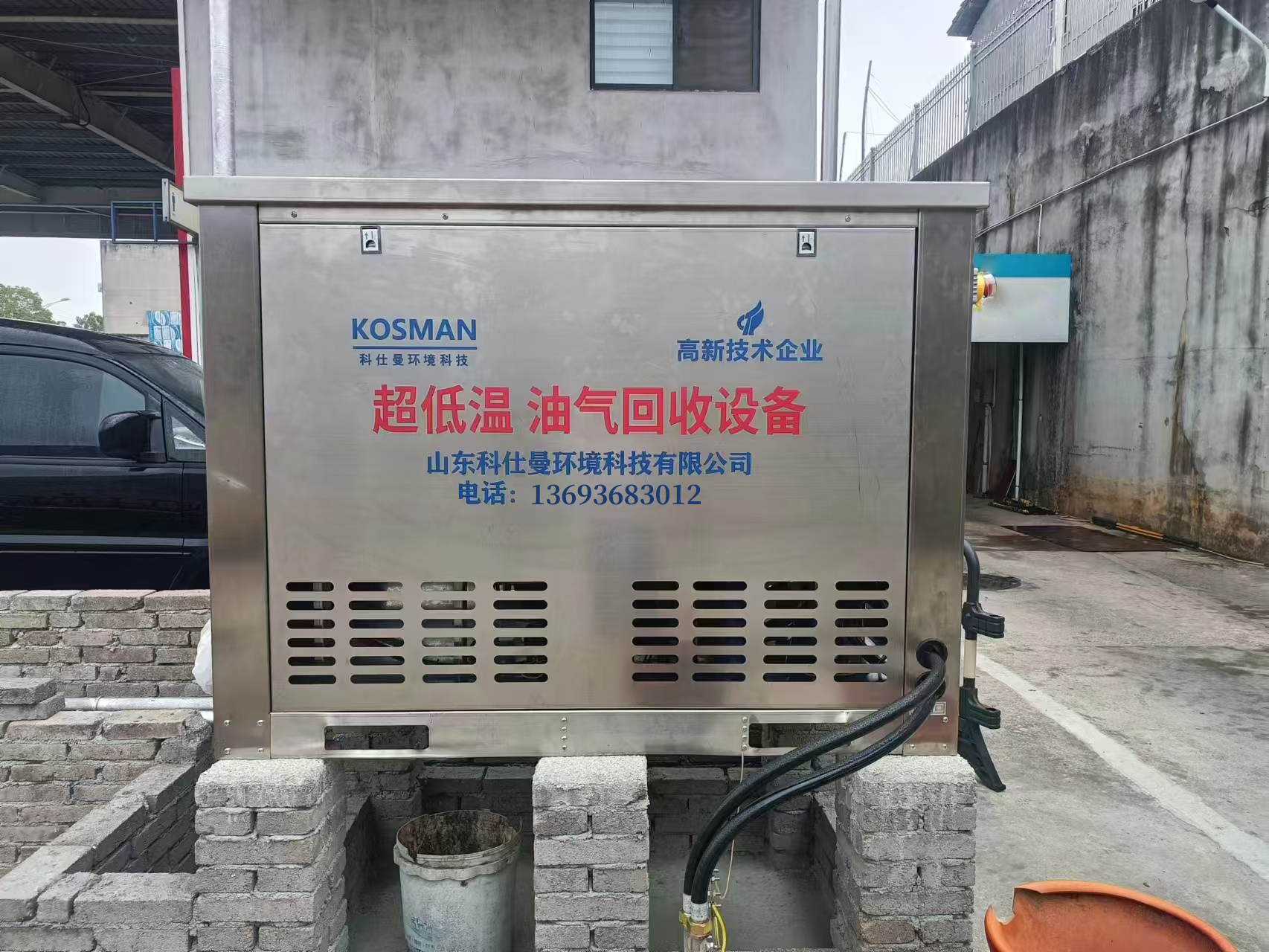
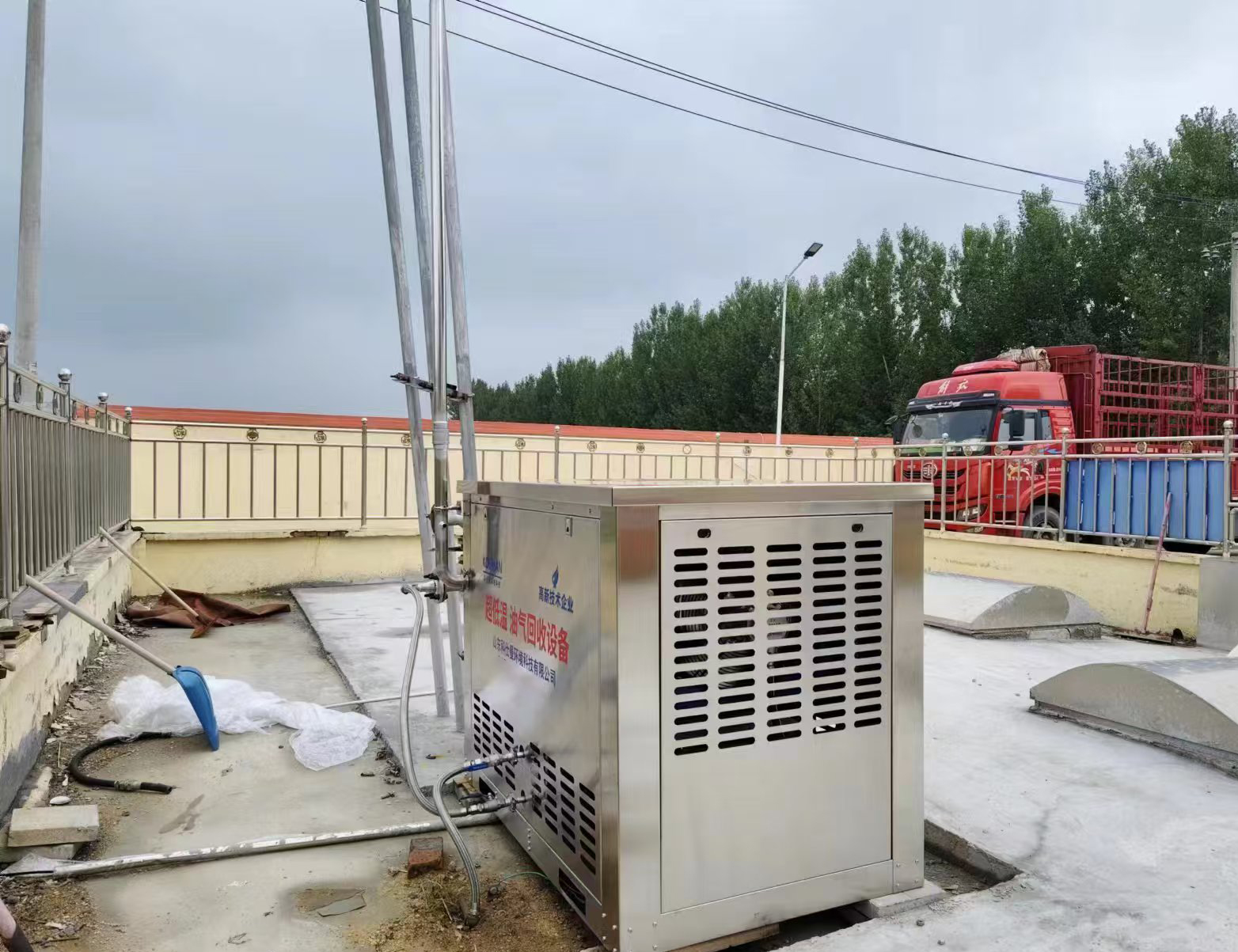
加油站是城市VOCs排放的重要来源之一。当一辆汽车加满油箱时,约有0.5%的汽油以油气形式挥发到大气中。这些油气不仅造成资源浪费,更是形成臭氧和PM2.5的前体物。三次油气回收设备,正是针对这一环节的“最后一公里”治理装备。
Gas stations are one of the important sources of VOCs emissions in cities. When a car is filled with fuel, about 0.5% of gasoline evaporates into the atmosphere in the form of gas. These oil and gas not only cause resource waste, but also serve as precursors for the formation of ozone and PM2.5. The tertiary oil and gas recovery equipment is precisely the "last mile" treatment equipment for this link.
加油站油气回收系统由三部分组成:一次回收针对卸油环节,通过密闭管路将油罐车卸油时产生的油气回收入罐车;二次回收针对加油环节,利用真空泵将加油时产生的油气抽回埋地油罐;三次回收则主要处理气液比超标油气及油罐正压排气,对储油罐内呼出的油气进行深度处理。
The gas station oil and gas recovery system consists of three parts: the first recovery is aimed at the unloading process, and the oil and gas generated during the unloading of the oil tank truck are returned to the tanker truck through a closed pipeline; Secondary recycling is aimed at the refueling process, using a vacuum pump to pump the oil and gas generated during refueling back to the buried oil tank; The three recycling processes mainly deal with oil and gas with excessive gas-liquid ratio and positive pressure exhaust from oil tanks, and deeply treat the oil and gas exhaled from the storage tanks.
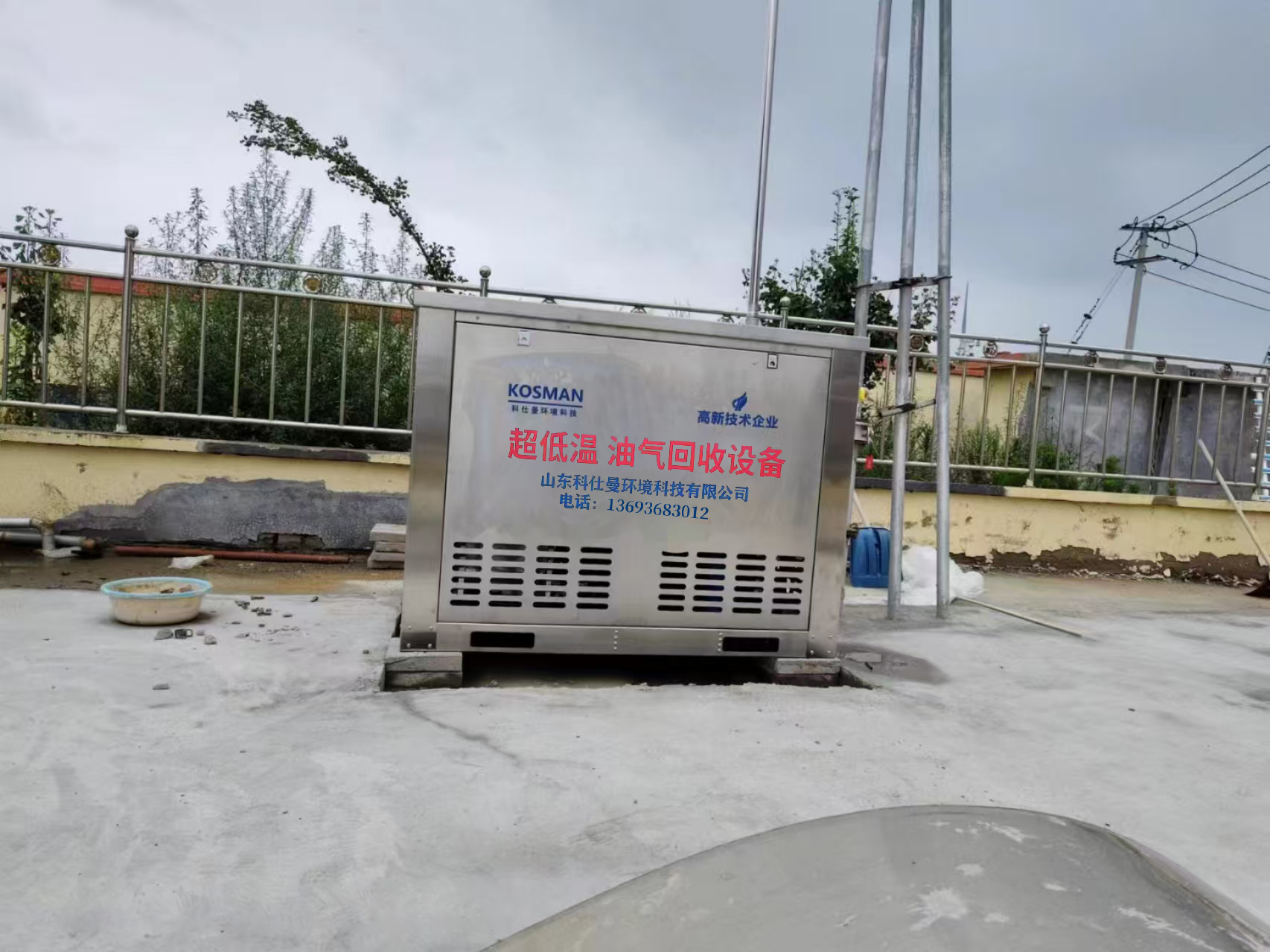
根据《加油站大气污染物排放标准》(GB20952-2020)的要求,年销售汽油量2000吨以上的加油站需在2027年前完成三次回收装置安装。三次回收装置的主流工艺采用冷凝+吸附组合技术,通过预冷降低吸附床温度隐患,尾气非甲烷总烃浓度可达0.36-0.45mg/m?。装置配备在线监测系统,实时监测气液比、系统压力及密闭性,支持自动故障报警与数据打印。
According to the requirements of the "Emission Standards for Air Pollutants from Gas Stations" (GB20952-2020), gas stations with an annual sales volume of over 2000 tons of gasoline must complete three installations of recycling devices before 2027. The mainstream process of the tertiary recovery device adopts a combination of condensation and adsorption technology, which reduces the temperature hazard of the adsorption bed through pre cooling, and the concentration of non methane total hydrocarbons in the tail gas can reach 0.36-0.45mg/m?. The device is equipped with an online monitoring system that monitors the gas-liquid ratio, system pressure, and airtightness in real time, and supports automatic fault alarm and data printing.
值得注意的是,国六排放标准的实施带来了新的技术挑战。自2019年7月起,新增轻型汽车全部强制配备车载油气回收系统(ORVR),依靠车辆自身活性炭罐实现油气自我吸附回收。这意味着,当为国六车辆加油时,车辆本身不再外排油气,而加油站的传统二次回收系统仍在主动抽吸,导致大量空气被吸入地下油罐,打破罐内压力平衡,加剧油品挥发,甚至通过PV压力阀门直排大气。
It is worth noting that the implementation of China VI emission standards has brought new technological challenges. Starting from July 2019, all newly added light vehicles are required to be equipped with an onboard oil and gas recovery system (ORVR), which relies on the vehicle's own activated carbon canister to achieve self adsorption and recovery of oil and gas. This means that when refueling National VI vehicles, the vehicles themselves no longer emit oil and gas, and the traditional secondary recovery system at gas stations is still actively sucking in, causing a large amount of air to be sucked into underground oil tanks, breaking the pressure balance inside the tanks, exacerbating oil volatilization, and even directly discharging into the atmosphere through PV pressure valves.
针对这一难题,ORVR兼容型加油枪应运而生。这种新型加油枪搭载智能识别组件,可自动识别车辆排放标准:针对国六车辆自动关闭吸气通道,杜绝无效空气吸入;针对国五及以下车辆正常开启回收通道,按标准比例回收油气,从源头稳住油罐微负压状态。青岛市的试点数据显示,改造后油罐PV阀实现零开启,年销量近9000吨的加油站,油气年排放量可从传统方式约95公斤降至趋近于零。
In response to this challenge, ORVR compatible refueling guns have emerged. This new type of fuel gun is equipped with intelligent recognition components that can automatically identify vehicle emission standards: for National VI vehicles, it automatically closes the suction channel to prevent ineffective air intake; For vehicles classified as National V or below, the normal opening of the recovery channel is required to recover oil and gas according to the standard ratio, stabilizing the slight negative pressure state of the oil tank from the source. The pilot data in Qingdao city shows that after the renovation, the PV valve of the oil tank has achieved zero opening, and the annual oil and gas emissions of a gas station with an annual sales volume of nearly 9000 tons can be reduced from the traditional method of about 95 kilograms to almost zero.
从经济性对比看,传统三次油气回收装置单套投资约15万元,6年使用周期内还需持续承担能耗、维保、危废处置等费用;而改造ORVR兼容型加油枪仅需增加枪体差价投入约4.56万元,无新增能耗和危废支出。随着国六车辆占比逐年提升(当前青岛市已超25%),ORVR兼容型加油枪的减排效果将稳步递增,呈现一次改造、长期受益的特点。这一技术路径的出现,标志着加油站油气回收正在从末端治理向源头防控转型,为行业提供了更经济高效的达标路径。
From an economic comparison perspective, the investment for a single set of traditional tertiary oil and gas recovery equipment is about 150000 yuan, and it still needs to continuously bear the costs of energy consumption, maintenance, hazardous waste disposal, etc. during its 6-year service life; The transformation of ORVR compatible refueling guns only requires an additional investment of about 45600 yuan in the price difference of the gun body, without any new energy consumption or hazardous waste expenses. With the increasing proportion of National VI vehicles year by year (currently over 25% in Qingdao), the emission reduction effect of ORVR compatible fuel guns will steadily increase, showing the characteristics of one-time renovation and long-term benefits. The emergence of this technological path marks the transformation of gas station oil and gas recovery from end of pipe treatment to source prevention and control, providing the industry with a more economical and efficient compliance path.
本文由加油站三次油气回收设备友情奉献.更多有关的知识请点击:http://www.kosman2018.com真诚的态度.为您提供为全面的服务.更多有关的知识我们将会陆续向大家奉献.敬请期待.
This article is a friendly contribution from the gas station's three times oil and gas recovery equipment For more information, please click: http://www.kosman2018.com Sincere attitude To provide you with comprehensive services We will gradually contribute more relevant knowledge to everyone Coming soon.