侯恩党13693683012
 侯恩党13693683012
做 VOCs 治理的人经常遇到一个尴尬局面:RTO 或 CO 炉子本身选得没问题,运行一两年后却频繁出故障,拆开一看,蓄热陶瓷堵了、切换阀关不严、催化剂中毒失活。追根溯源,问题往往不在焚烧炉本身,而在前端预处理上省了不该省的东西。
People who deal with VOCs often encounter an awkward situation: the RTO or CO furnace itself is selected without any problems, but after running for one or two years, it frequently malfunctions. Upon inspection, the thermal storage ceramic is blocked, the switching valve is not tightly closed, and the catalyst is poisoned and deactivated. Tracing back to the source, the problem often lies not in the incinerator itself, but in saving things that should not have been saved in the front-end pretreatment.

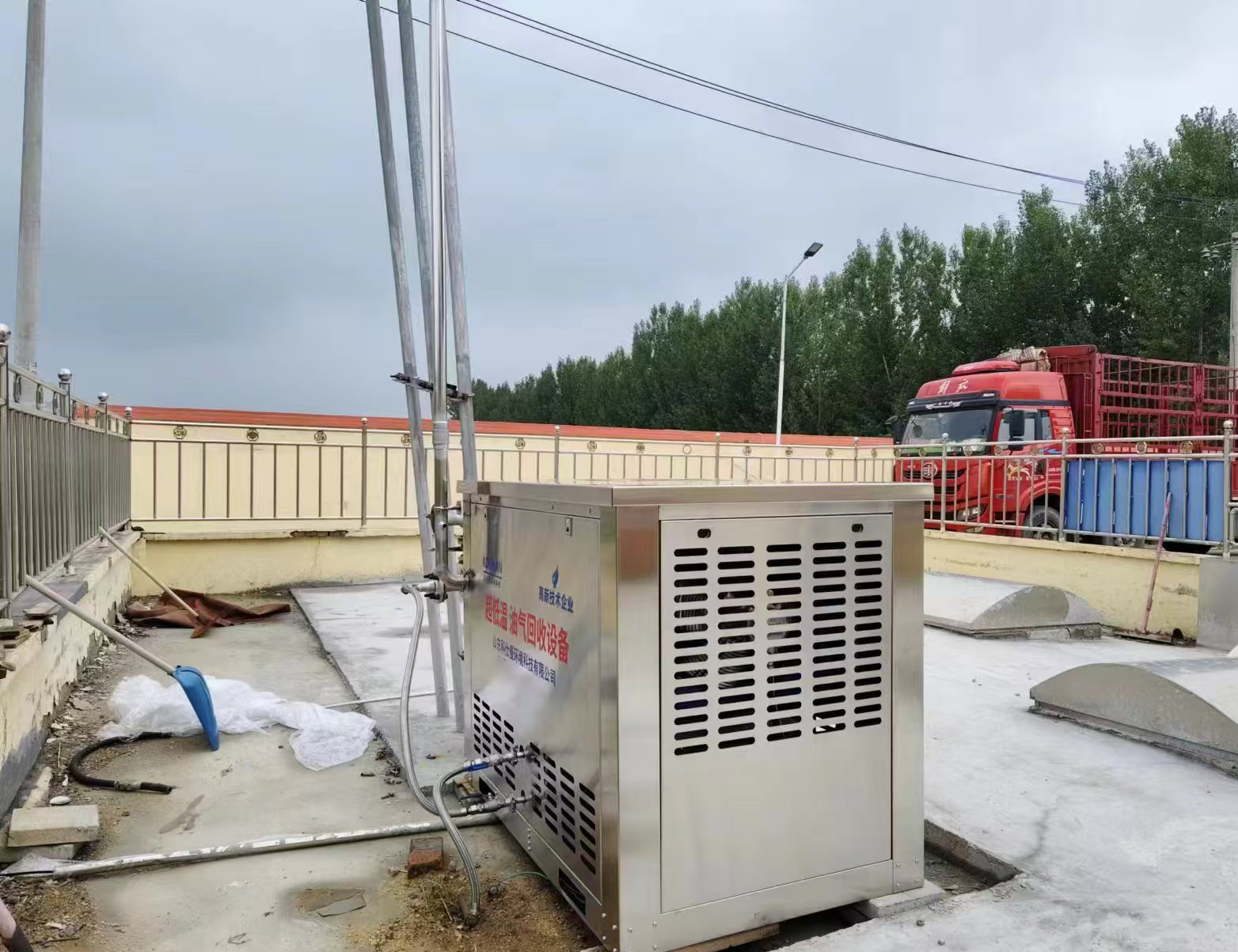
冷凝做不深,后端炉子就是在替前端擦屁股。 很多 VOCs 废气成分复杂,含有高沸点有机物或者易聚合物质。如果冷凝预处理只是走个过场,那些冷凝不下来的重组分跟着废气进了 RTO,在蓄热陶瓷上越积越厚,轻则压降升高、能耗飙升,重则蓄热体堵塞报废。更麻烦的是,某些有机物在蓄热体低温区沉积后会形成高沸点交联物,很难通过常规烧炉清除。行业里有一个被反复验证过的教训:冷凝温度不够时,C3 组分会在系统中不断富集,出口浓度逐渐升高,原本设计好的达标排放慢慢就不达标了。
The condensation is not deep enough, the back end stove is just wiping the buttocks for the front end. Many VOCs exhaust gases have complex compositions and contain high boiling point organic compounds or easily polymerizable substances. If the condensation pretreatment is just a passing process, the heavy components that cannot be condensed will follow the exhaust gas into the RTO and accumulate thicker on the thermal storage ceramic. This can result in increased pressure drop and energy consumption, or blockage and scrapping of the thermal storage body. What's more troublesome is that certain organic compounds can form high boiling point crosslinks after depositing in the low-temperature zone of the thermal storage body, which are difficult to remove through conventional furnaces. There is a repeatedly validated lesson in the industry: when the condensation temperature is not sufficient, the C3 component will continue to accumulate in the system, and the outlet concentration will gradually increase, causing the originally designed standard emissions to gradually fall short of the standard.
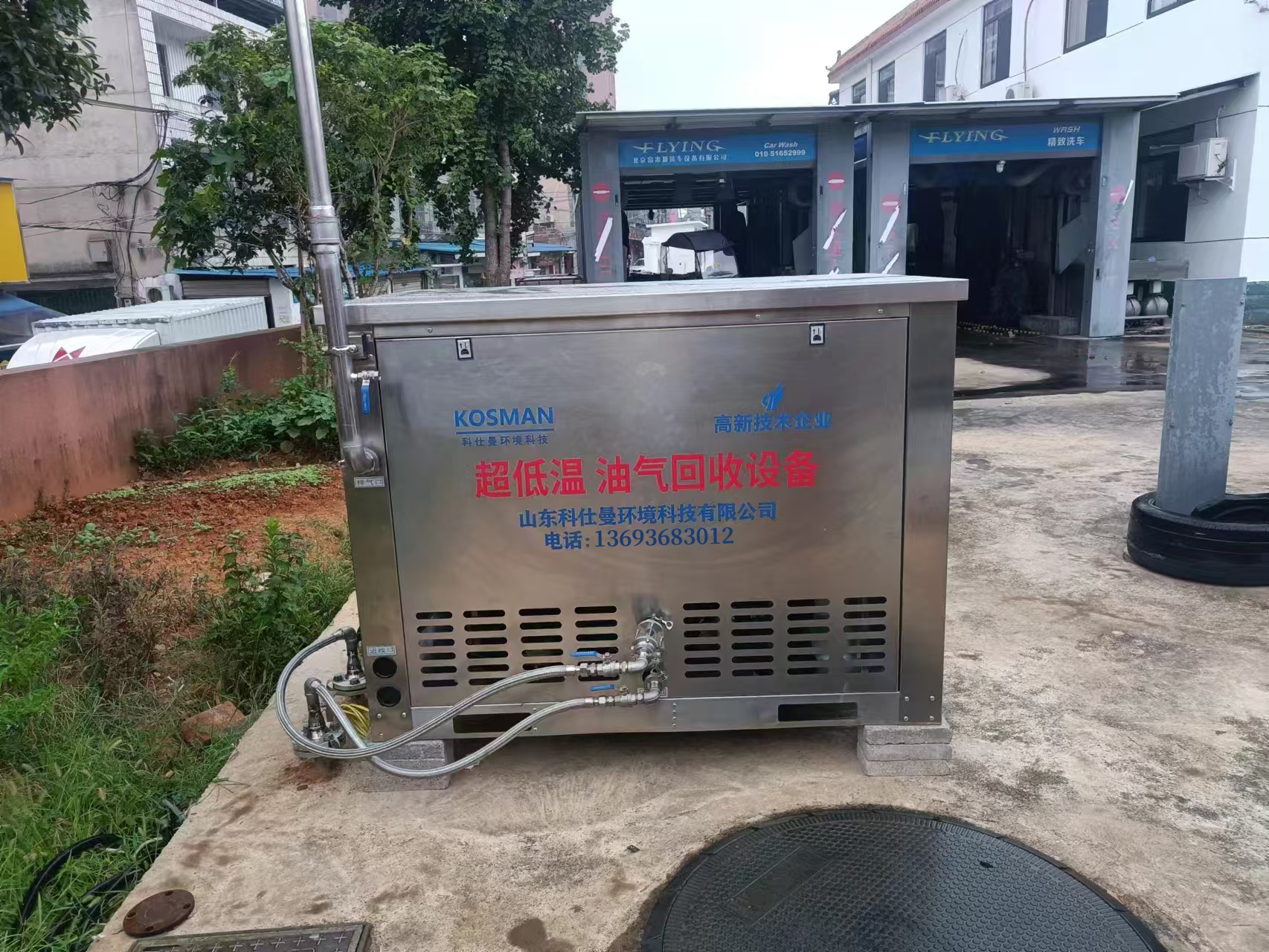
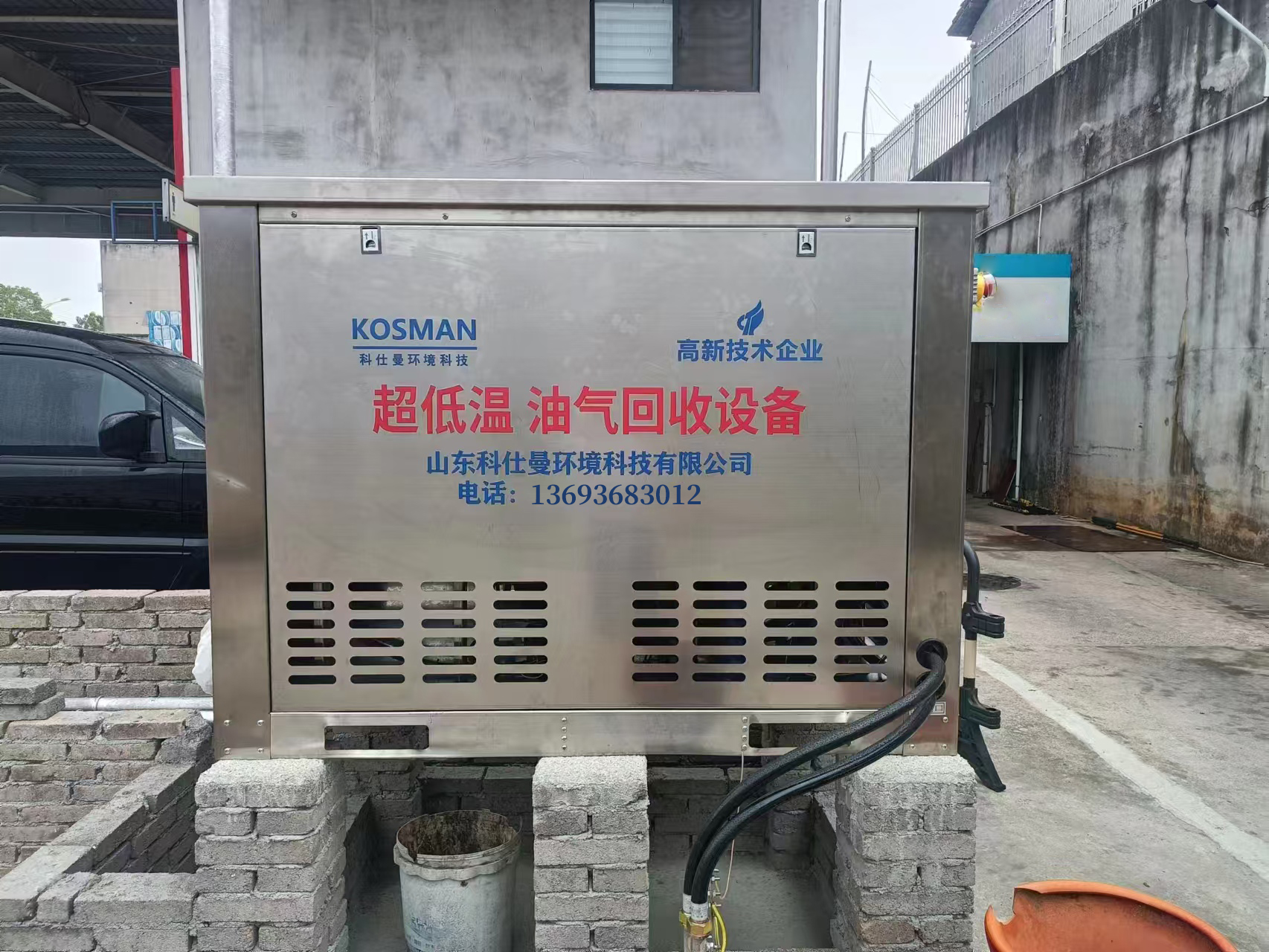
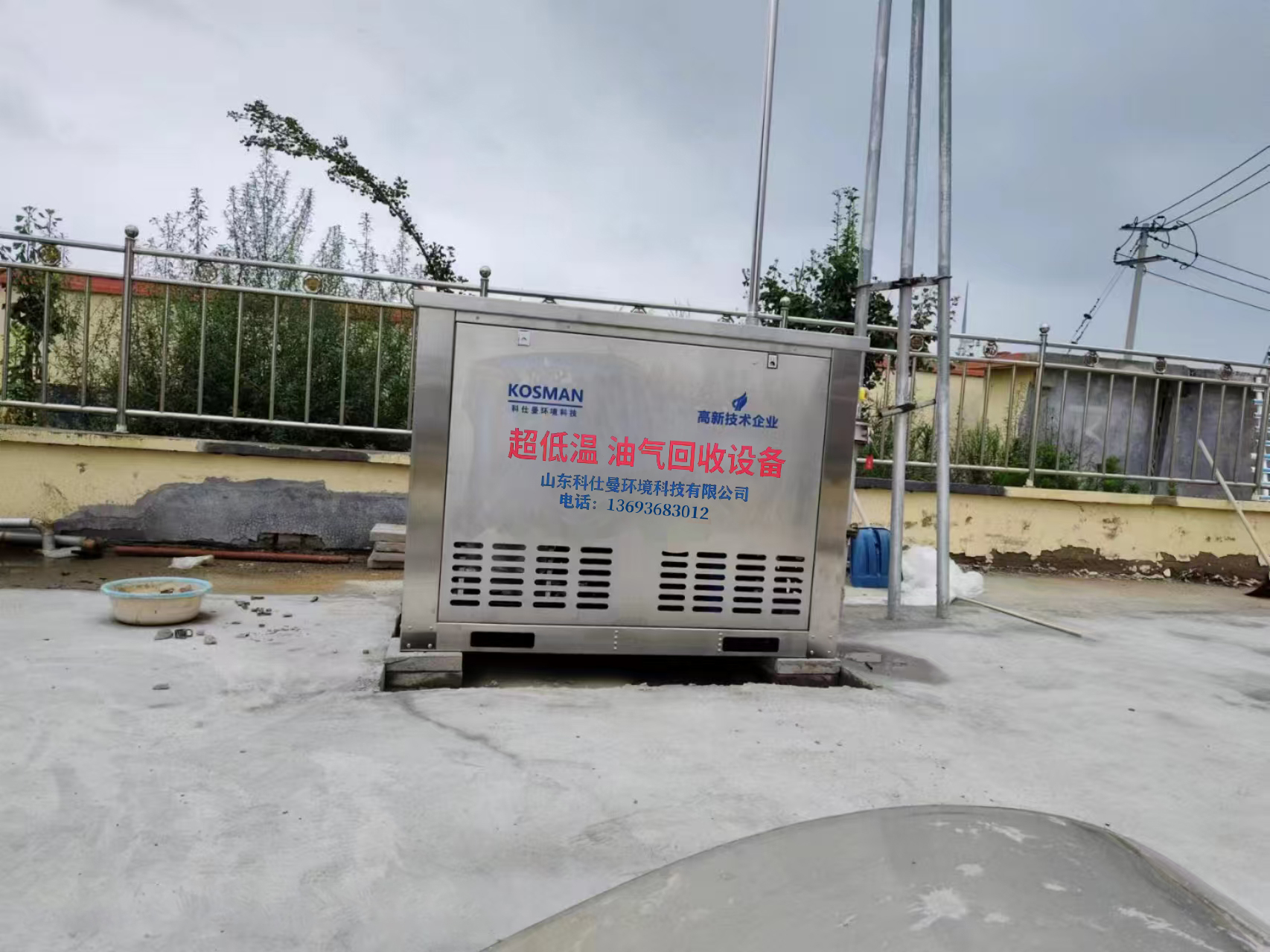
冷凝段到底做到多少度,要看后端能承受什么。 常见的冷凝温度控制在 -40~-50℃,排放浓度可以压得很低,但压缩机制冷负荷大、电耗高;做到 -20~-30℃ 投资和能耗都友好一些,但残留的可凝组分就更多,给后端 RTO/CO 带来的负担也更大。选哪个温度点,不能只看排放标准,要把后端焚烧炉的耐受度一起算进去。如果废气里有容易聚合的成分,比如丁二烯、丙烯酸酯类,前端的冷凝把关不严,RTO 的切换阀和蓄热体很快就会被折腾得够呛。
How much the condensation section can achieve depends on what the backend can withstand. The common condensation temperature is controlled at -40 to -50 ℃, and the emission concentration can be kept very low, but the compressor has a high cooling load and high power consumption; Achieving -20 to -30 ℃ is more investment and energy friendly, but there will be more residual condensable components, which will bring greater burden to the backend RTO/CO. Choosing a temperature point should not only consider emission standards, but also take into account the tolerance of the back-end incinerator. If there are components in the exhaust gas that are prone to polymerization, such as butadiene and acrylic esters, and the condensation control at the front end is not strict, the RTO switching valve and heat storage body will quickly be overwhelmed.
活性炭吸附在冷凝后面,脱附能力跟不上就是摆设。 很多油气回收或者 VOCs 预处理方案采用“冷凝+吸附”组合,冷凝后的不凝气再进活性炭罐兜底。但这个组合有一个被反复诟病的问题:如果真空脱附能力不足,活性炭里的重组分根本脱不出来,吸附容量迅速衰减,罐子很快变成阻力件而不是净化件。而且普通活性炭对 C2-C5 轻烃的吸附率本身就不理想,吸附热还容易导致升温,在易燃易爆环境里是个隐患。如果一定要用吸附做末段把关,吸附剂的选型、脱附的真空度和温度都要重新核算,不能照搬标准配置。
Activated carbon adsorbs after condensation, and if its desorption ability cannot keep up, it is just a decoration. Many oil and gas recovery or VOCs pretreatment schemes use a combination of "condensation+adsorption", where the non condensable gas after condensation is then sent to the bottom of an activated carbon tank for protection. But this combination has a repeatedly criticized problem: if the vacuum desorption ability is insufficient, the heavy components in the activated carbon cannot be desorbed at all, the adsorption capacity rapidly decays, and the can quickly becomes a resistance component rather than a purification component. Moreover, the adsorption rate of ordinary activated carbon for C2-C5 light hydrocarbons is not ideal, and the adsorption heat can easily lead to temperature rise, which is a hidden danger in flammable and explosive environments. If adsorption must be used as the final stage control, the selection of adsorbent, the vacuum degree and temperature of desorption must be recalculated, and the standard configuration cannot be blindly copied.
整机防爆和自动化控制,别等验收才补课。 VOCs 冷凝和 RTO/CO 前端涉及可燃气体,设备本身的防爆等级、可燃气体检测联锁、超温超压保护都是硬指标。很多项目设备装完了,调试时才发现联锁逻辑没做全,或者 PLC 程序里少写了几个关键报警点,验收时被要求整改。冷凝装置的运行参数——压缩机吸排气压力、制冷剂温度、冷凝温度——这些日常要盯着的东西,最好在控制系统里都做成可视化和自动调节,靠人工巡检很难及时发现异常。
Explosion proof and automation control of the whole machine, don't wait for acceptance before making up for it. VOCs condensation and RTO/CO front-end involve combustible gases, and the explosion-proof level, combustible gas detection interlock, and over temperature and over pressure protection of the equipment itself are all hard indicators. Many project equipment installations are completed, but during debugging, it is discovered that the interlocking logic is not complete or that several key alarm points are missing from the PLC program, which requires rectification during acceptance. The operating parameters of the condensing device - compressor suction and discharge pressure, refrigerant temperature, condensing temperature - these daily things that need to be monitored are best visualized and automatically adjusted in the control system. It is difficult to detect abnormalities in a timely manner through manual inspection.
VOCs 治理是一个系统,前端预处理掉链子,后端再好的焚烧炉也扛不住。冷凝温度、吸附脱附、防爆控制这几件事理清楚了,整套系统才能长周期稳定达标。
VOCs treatment is a system, and if the front-end pre-treatment fails, even the best incinerator in the back-end cannot withstand it. Only with a clear understanding of condensation temperature, adsorption desorption, and explosion-proof control can the entire system achieve long-term stable compliance.
本文由RTO/CO冷凝预处理设备友情奉献.更多有关RTO/CO冷凝预处理设备的知识请点击:http://www.kosman2018.com 我们将会对您提出的疑问进行详细的解答,欢迎您登录网站留言。
This article is a friendly contribution from RTO/CO condensation pretreatment equipment For more knowledge about RTO/CO condensation pretreatment equipment, please click: http://www.kosman2018.com We will provide detailed answers to your questions. You are welcome to log in to our website and leave a message.