侯恩党13693683012
 侯恩党13693683012
很多工厂装了溶剂回收装置,冷凝器呼呼转,油液确实回收了一部分,但环保检测一测,排放浓度还是卡在标准线上。问题不在冷凝本身,在于冷凝“抓不住”的那部分——C2、C3、C4这类轻组分有机气体,沸点太低,常规冷凝温度根本凝不下来,排出去就是超标。
Many factories have installed solvent recovery devices, and the condenser is running smoothly. Some of the oil has indeed been recovered, but according to environmental testing, the emission concentration is still stuck at the standard line. The problem is not with the condensation itself, but with the part of the condensation that cannot be grasped - light component organic gases such as C2, C3, and C4, which have too low boiling points and cannot be condensed at conventional condensation temperatures, resulting in exceeding the standard when discharged.
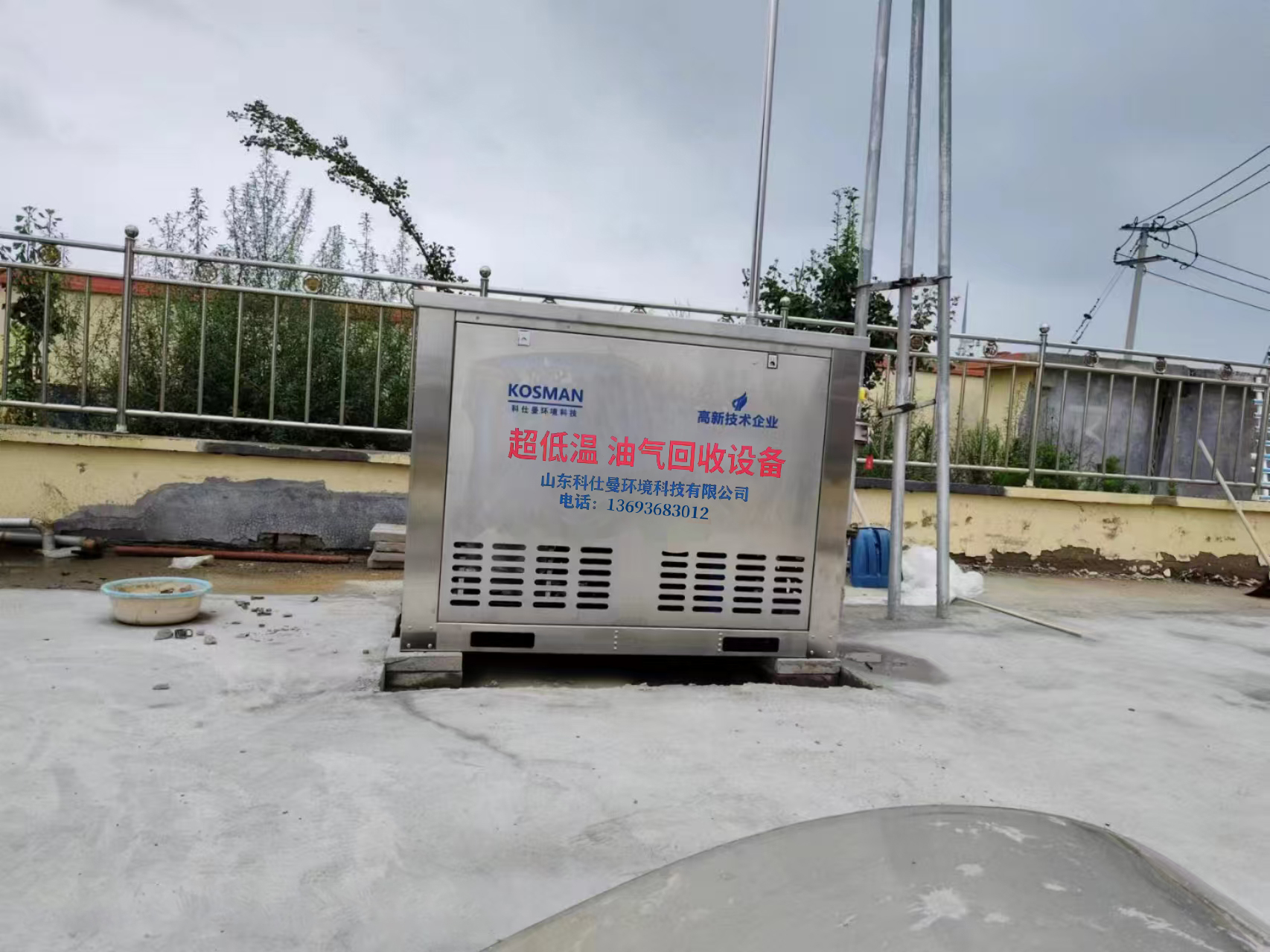
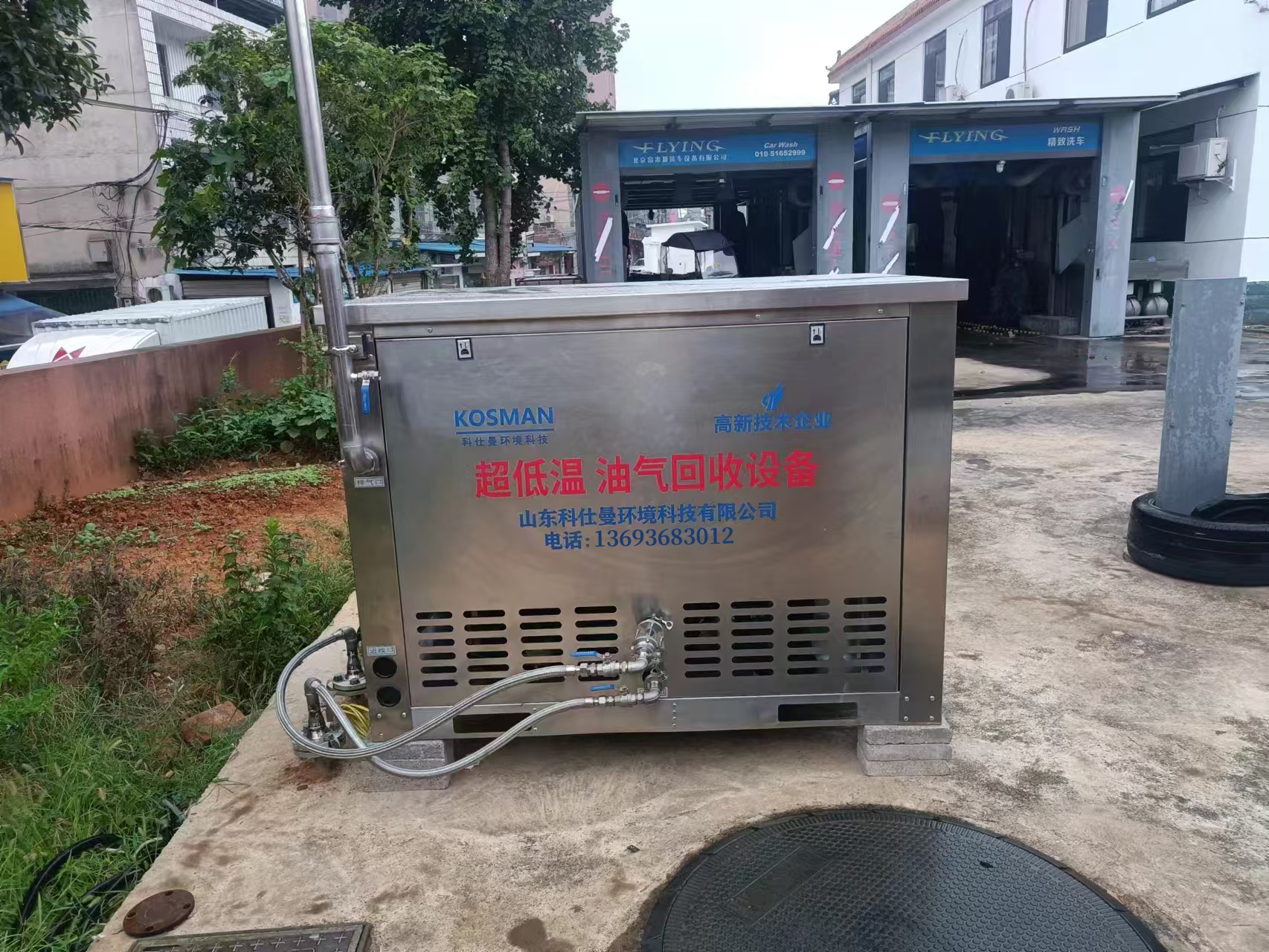
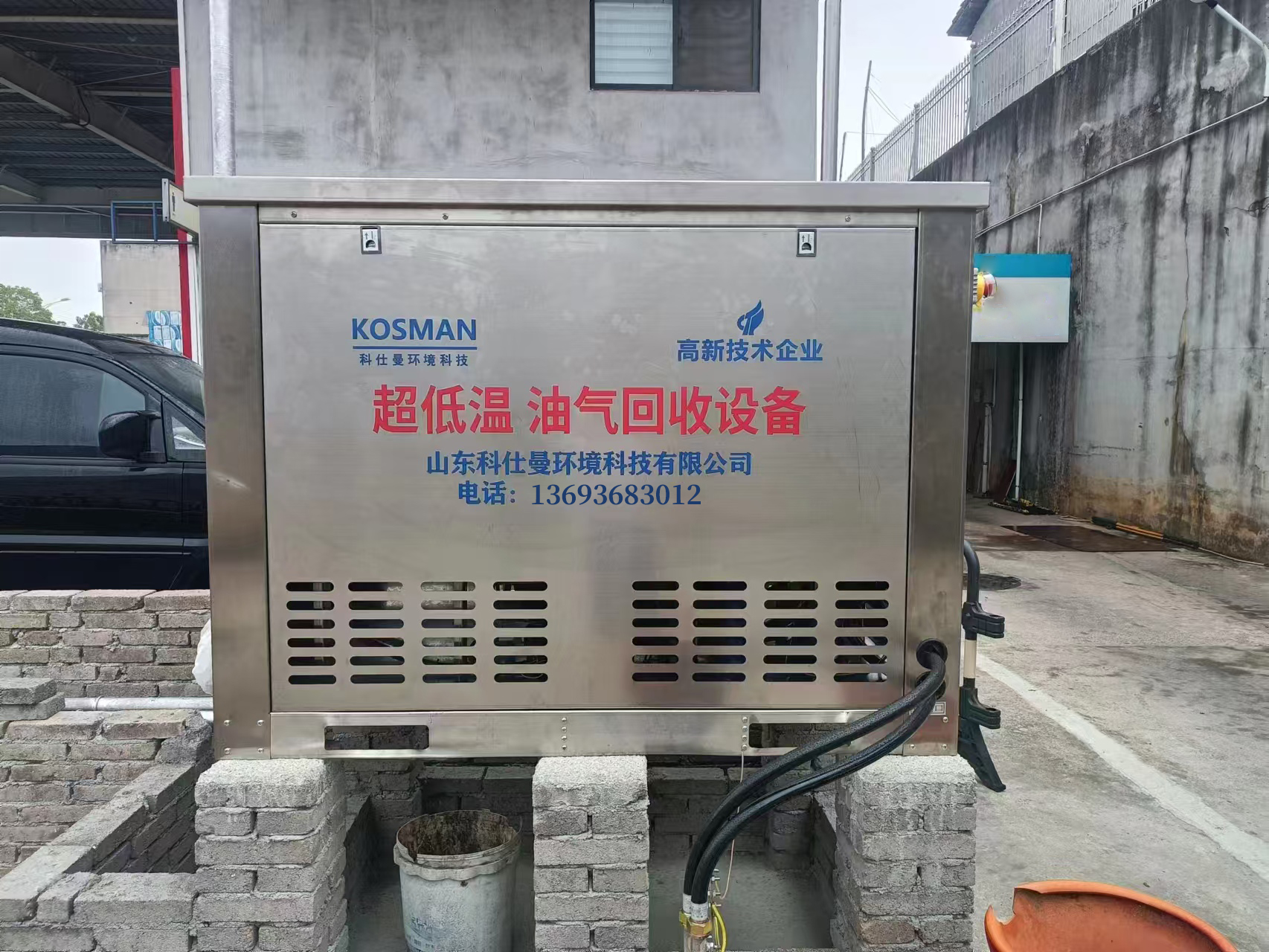
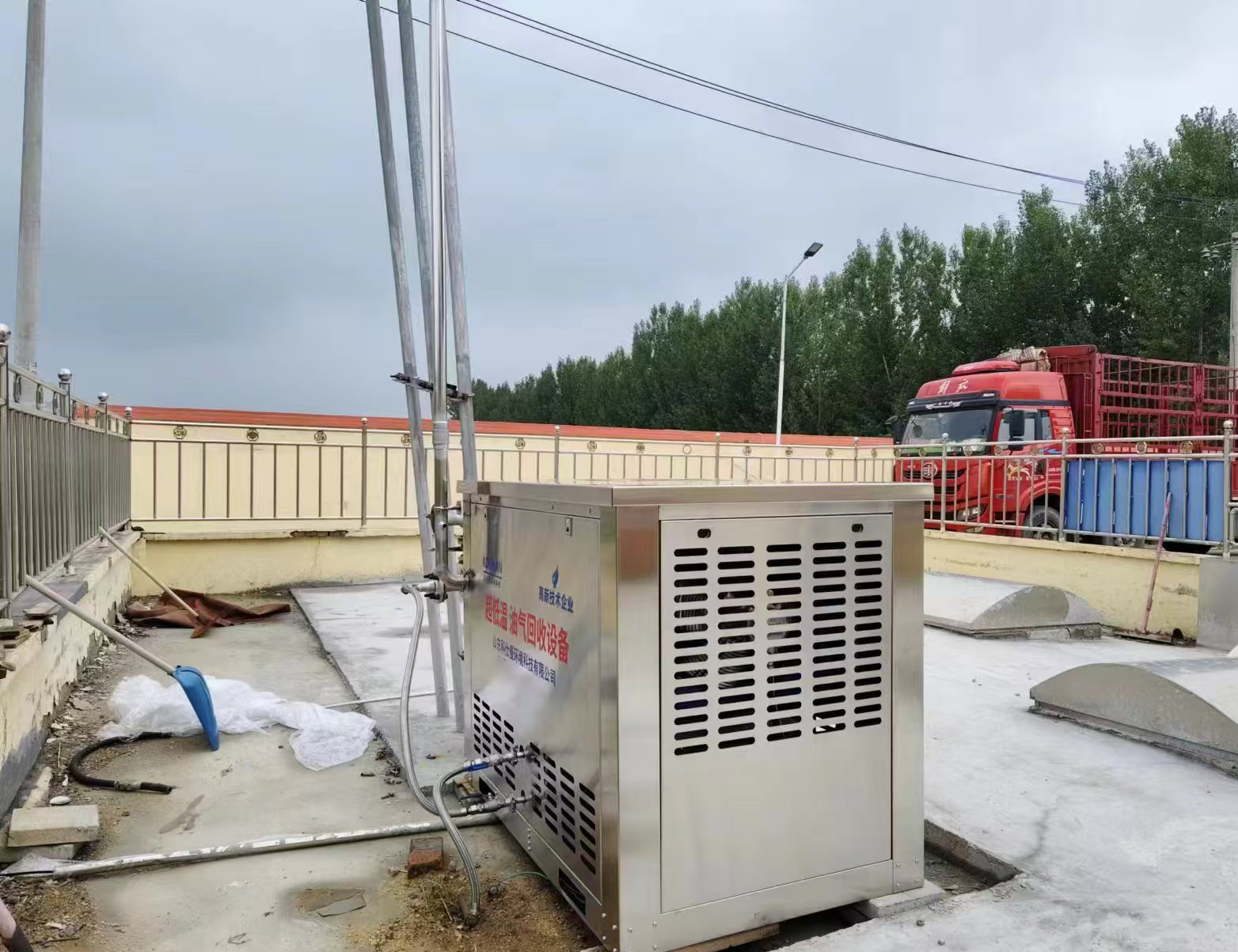
科仕曼2017年入行时踩的就是这个坑。参与油气回收项目时发现,冷凝加吸附的常规工艺只能回收部分油液,碳床降解解析后的轻组分气体回收不了,排放浓度忽高忽低、稳定不了。之后三年投入400余万元,联合科研院所攻关,2020年10月研发出超低温工艺设备,把排放稳定控制在毫克级。
Koshman stepped into this pit when he entered the industry in 2017. When participating in oil and gas recovery projects, it was found that the conventional process of condensation and adsorption can only recover a portion of the oil, and the light component gas after carbon bed degradation and analysis cannot be recovered. The emission concentration fluctuates and cannot be stabilized. Over the next three years, more than 4 million yuan was invested to collaborate with research institutes to develop ultra-low temperature process equipment in October 2020, stabilizing emissions at the milligram level.
超低温是关键,但-40℃和-180℃是两个世界。
Ultra low temperature is key, but -40 ℃ and -180 ℃ are two different worlds.
常规冷凝回收做到-40℃左右,能凝下大部分C5以上的组分,但C2到C4还是气态。科仕曼独创的-40℃至-180℃超低温技术,把温度拉到轻组分的凝点以下,才能把它们从气相里“逼”出来。这是“部分回收”和“稳定达标”之间的分界线。
Conventional condensation recovery can reach around -40 ℃, which can condense most of the components above C5, but C2 to C4 are still in the gaseous state. Keshman's unique ultra-low temperature technology of -40 ℃ to -180 ℃ pulls the temperature below the condensation point of light components in order to "force" them out of the gas phase. This is the boundary between 'partial recycling' and 'stable compliance'.
工艺不是一套模板,要看挥发的是什么。
Craftsmanship is not a set of templates, it depends on what evaporates.
不同化工产品挥发的气体成分、浓度、风量完全不同,处理工艺也要跟着变。科仕曼的方案是冷凝、吸附、吸收、CO、光解光氧、生物净化多种工艺按需组合,针对具体气体定制控制方案,而不是拿一套标准设备套所有工况。
The composition, concentration, and air volume of volatile gases in different chemical products are completely different, and the treatment process also needs to be changed accordingly. Keshman's solution involves condensation, adsorption, and absorption CO、 Various processes such as photocatalytic oxidation and biological purification can be combined as needed, and customized control schemes can be developed for specific gases, rather than relying on a set of standard equipment for all operating conditions.
防爆是硬门槛,不是选配。
Explosion proof is a hard threshold, not an optional feature.
溶剂回收面对的是可燃气体,整机防爆合格证是底线,不是加分项。科仕曼所有组件均为EX防爆,每个防爆部件单独取得防爆合格证,设备内设置可燃气体和有毒气体检测。这一条在化工、涂装、印刷这些行业尤其关键。
Solvent recovery deals with combustible gases, and the explosion-proof certificate of the entire machine is the bottom line, not a bonus. All components of Keshiman are EX explosion-proof, and each explosion-proof component has a separate explosion-proof certificate. The equipment is equipped with combustible gas and toxic gas detection. This is particularly crucial in industries such as chemical, painting, and printing.
自动控制决定日常好不好用。
Automatic control determines whether it is useful in daily life.
系统配西门子或ABB的PLC加10寸彩色触摸屏,一键全自动运行,标配RS485通讯接口,可接入厂区中控。对于三班倒的工厂来说,操作越简单,人为失误越少。
The system is equipped with Siemens or ABB PLC and a 10 inch color touch screen, with one click fully automatic operation. It comes standard with RS485 communication interface and can be connected to the central control of the factory area. For a three shift factory, the simpler the operation, the fewer human errors.
选溶剂回收装置,盯四条。
Choose a solvent recovery device and focus on four aspects.
一看排放实测数据,不要听“理论达标”,要看同类工况的实际检测报告,浓度是不是稳定在标准以内。二看防爆资质,整机防爆合格证和每个部件的防爆证书都要核验。三看工艺匹配度,供应商有没有针对你的气体成分做方案,还是直接推标准机型。四看低温能力,如果你的废气含C2到C4轻组分,常规冷凝一定搞不定。
When looking at actual emission data, don't listen to "theoretical standards", look at actual test reports of similar operating conditions to see if the concentration is stable within the standard. Secondly, it is necessary to verify the explosion-proof qualifications, including the explosion-proof certificate of the entire machine and the explosion-proof certificate of each component. Check the matching degree of the process three times, whether the supplier has made a plan for your gas composition, or just push the standard model directly. Check the low-temperature capability four times. If your exhaust gas contains C2 to C4 light components, conventional condensation cannot be achieved.
科仕曼在济南有5万平方米工厂,员工150余人,40多项荣誉资质,服务人员24小时在线响应。有自有生产基地和研发团队,意味着能按工况定制,而不是只卖标准设备。
Keshiman has a 50000 square meter factory in Jinan, with over 150 employees, more than 40 honorary qualifications, and 24-hour online response from service personnel. Having our own production base and R&D team means we can customize according to working conditions, rather than just selling standard equipment.
溶剂回收的核心矛盾,从来不是“能不能回收”,是“回收之后还能不能稳定达标”。超低温工艺、按气体定制的组合方案、整机防爆、自动控制——这四条守住了,回收装置才真正解决问题。
The core contradiction of solvent recovery has never been whether it can be recovered, but whether it can still meet the standard after recovery. Ultra low temperature process, customized combination scheme according to gas, whole machine explosion-proof, automatic control - these four principles are upheld, and the recycling device truly solves the problem.
本文由溶剂回收装置友情奉献.更多有关的知识请点击:http://www.kosman2018.com我们将会对您提出的疑问进行详细的解答,欢迎您登录网站留言.
This article is a friendly contribution from the solvent recovery device For more information, please click: http://www.kosman2018.com We will provide detailed answers to your questions. You are welcome to log in to our website and leave a message