侯恩党13693683012
 侯恩党13693683012
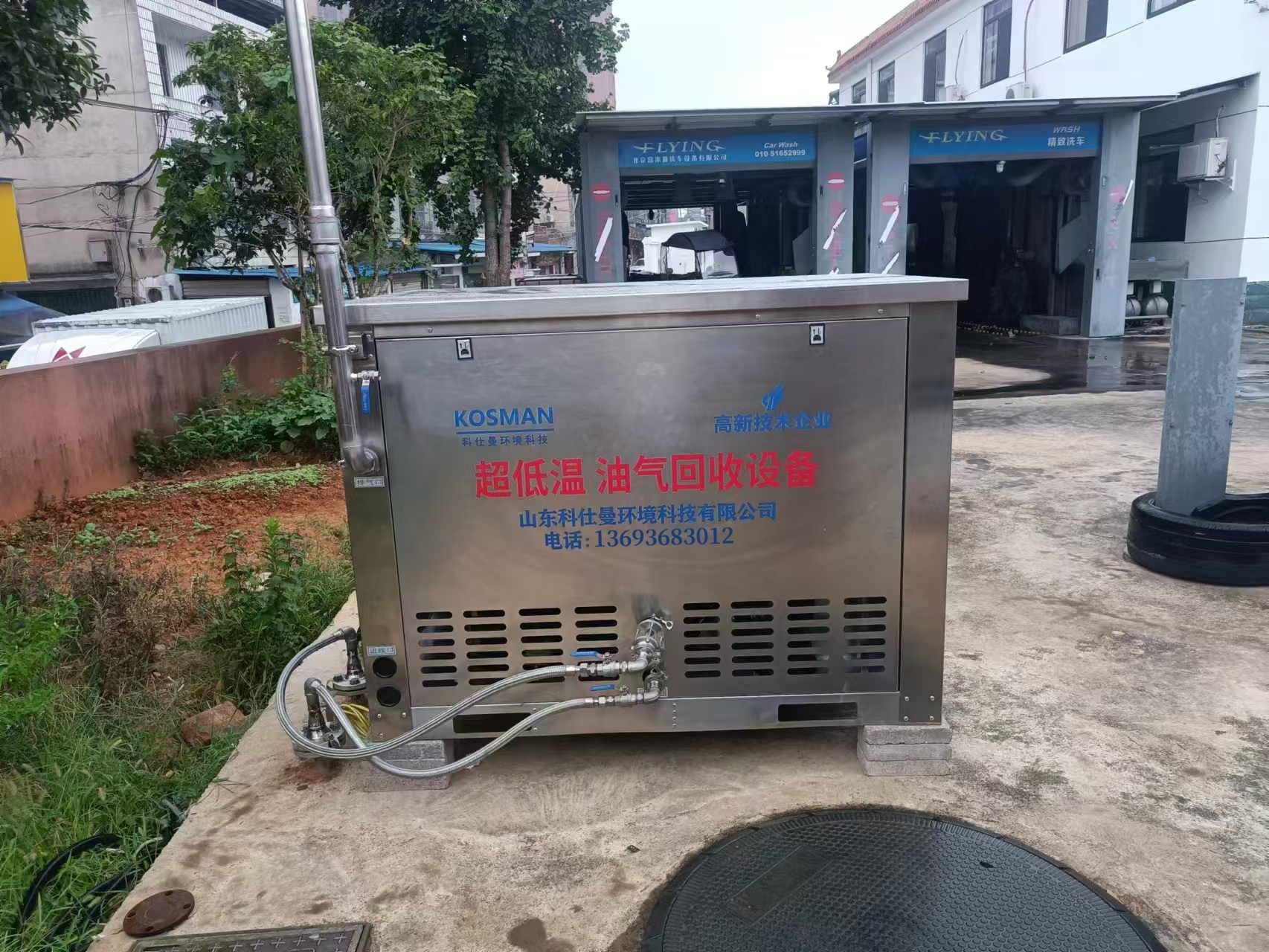
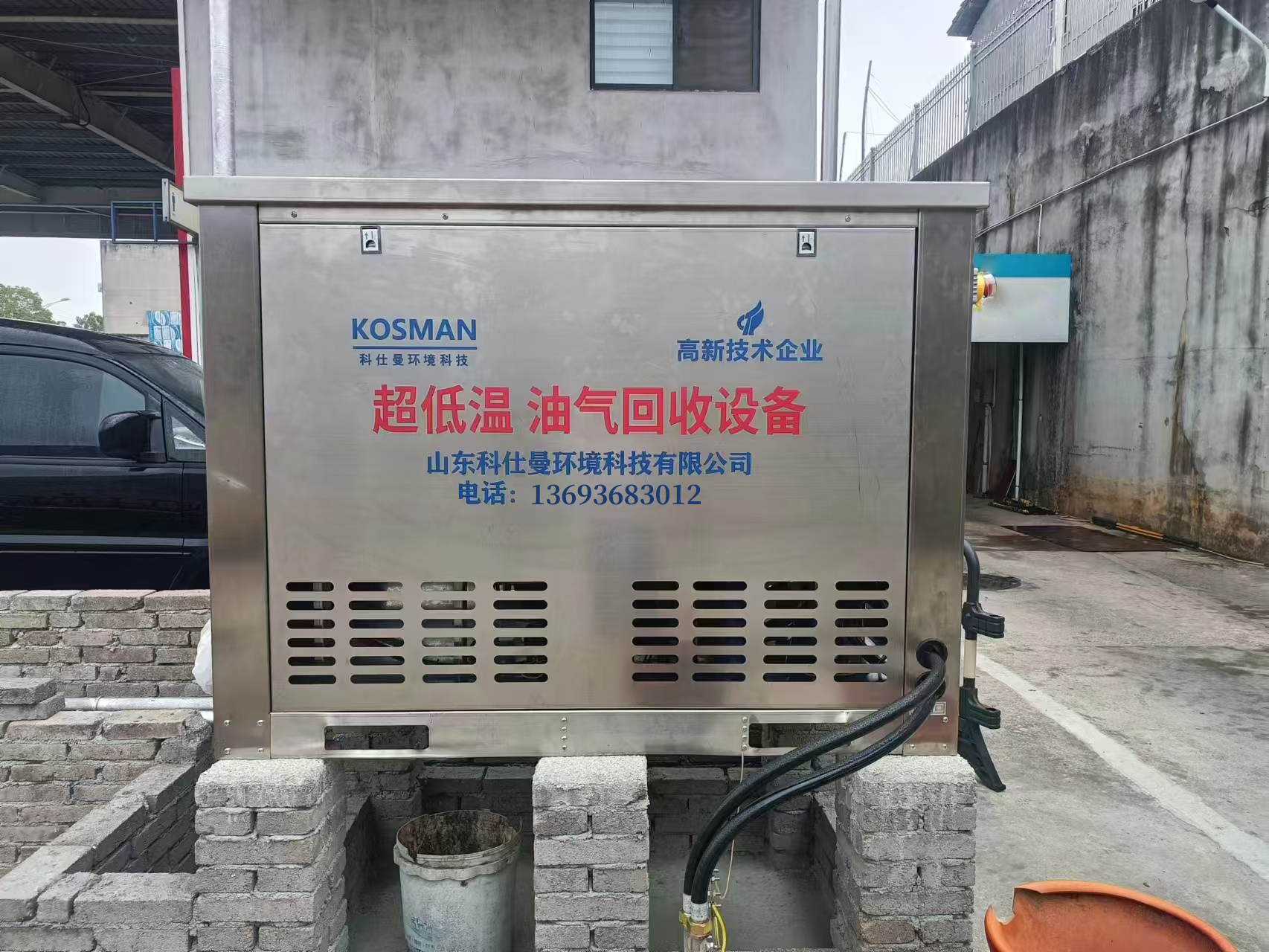
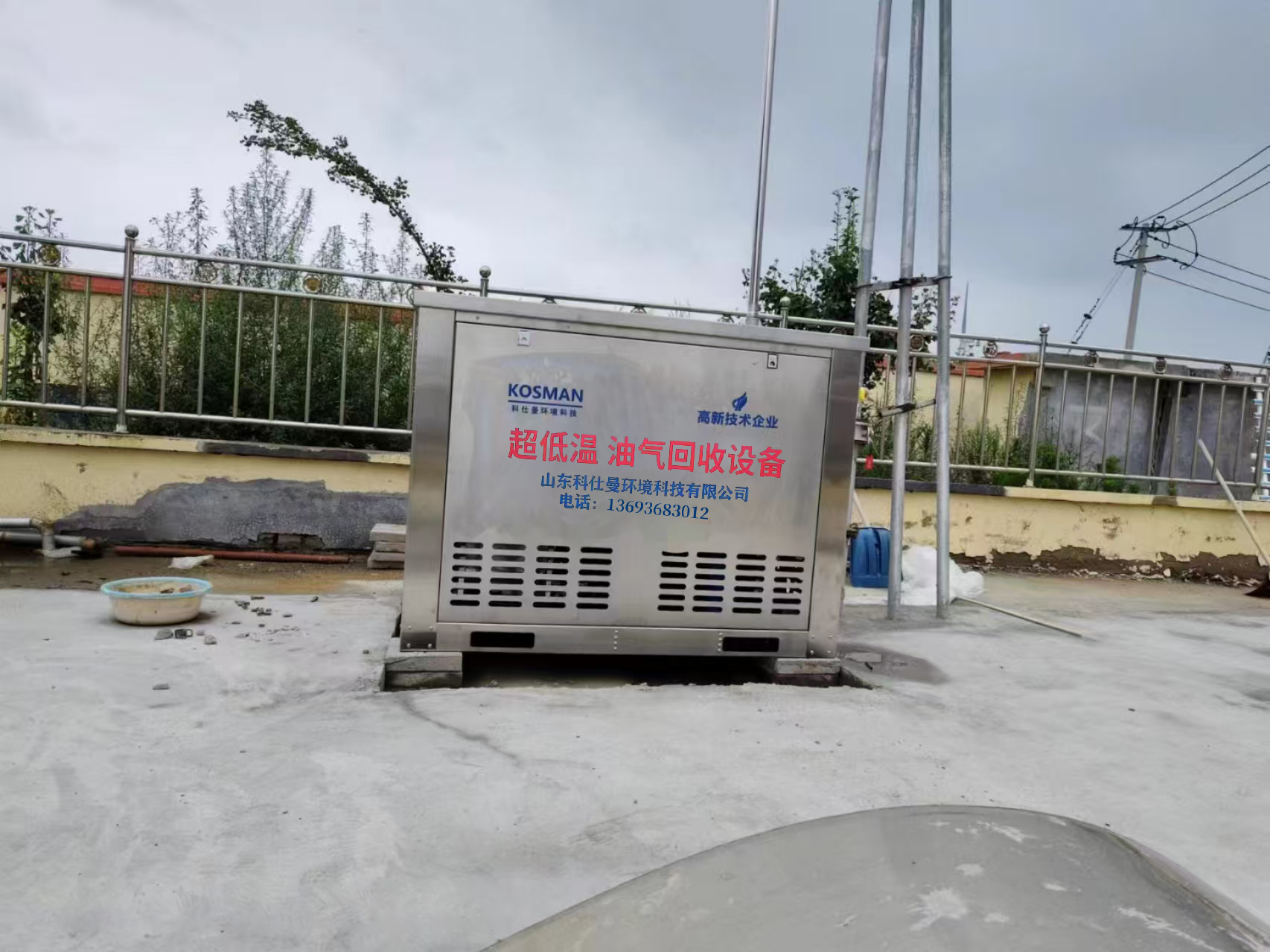
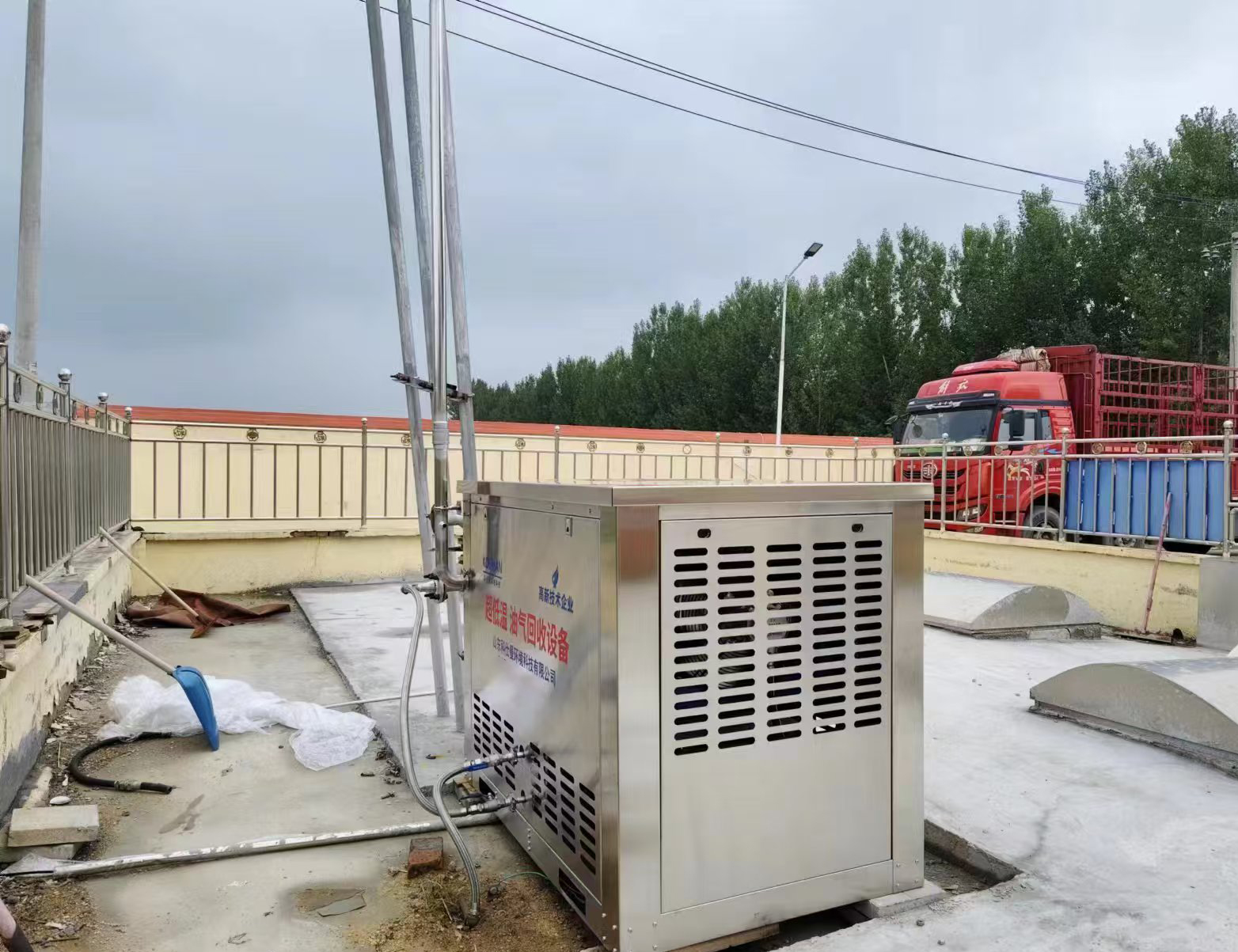
在石化行业的VOCs治理版图中,油气回收设备正经历一场从“被动治污”到“主动创收”的角色转变。过去,油气挥发被视为需要花钱处理的环保负担;如今,随着回收技术的成熟,这套设备已成为企业降本增效的“利润中心”。其背后的技术逻辑,值得深入解析。
In the VOCs governance landscape of the petrochemical industry, oil and gas recovery equipment is undergoing a role transformation from "passive pollution control" to "active revenue generation". In the past, oil and gas volatilization was seen as an environmental burden that required spending money to deal with; Nowadays, with the maturity of recycling technology, this equipment has become the "profit center" for enterprises to reduce costs and increase efficiency. The technical logic behind it deserves in-depth analysis.
油气回收的核心原理并不复杂:将挥发的油气从气态转变为液态,重新变为可用的汽油。但要在工业场景中高效、稳定地实现这一转变,需要多种技术路线的协同配合。目前行业主流的回收方法包括冷凝法、吸附法、吸收法和膜分离法,每种技术都有其独特的适用边界。
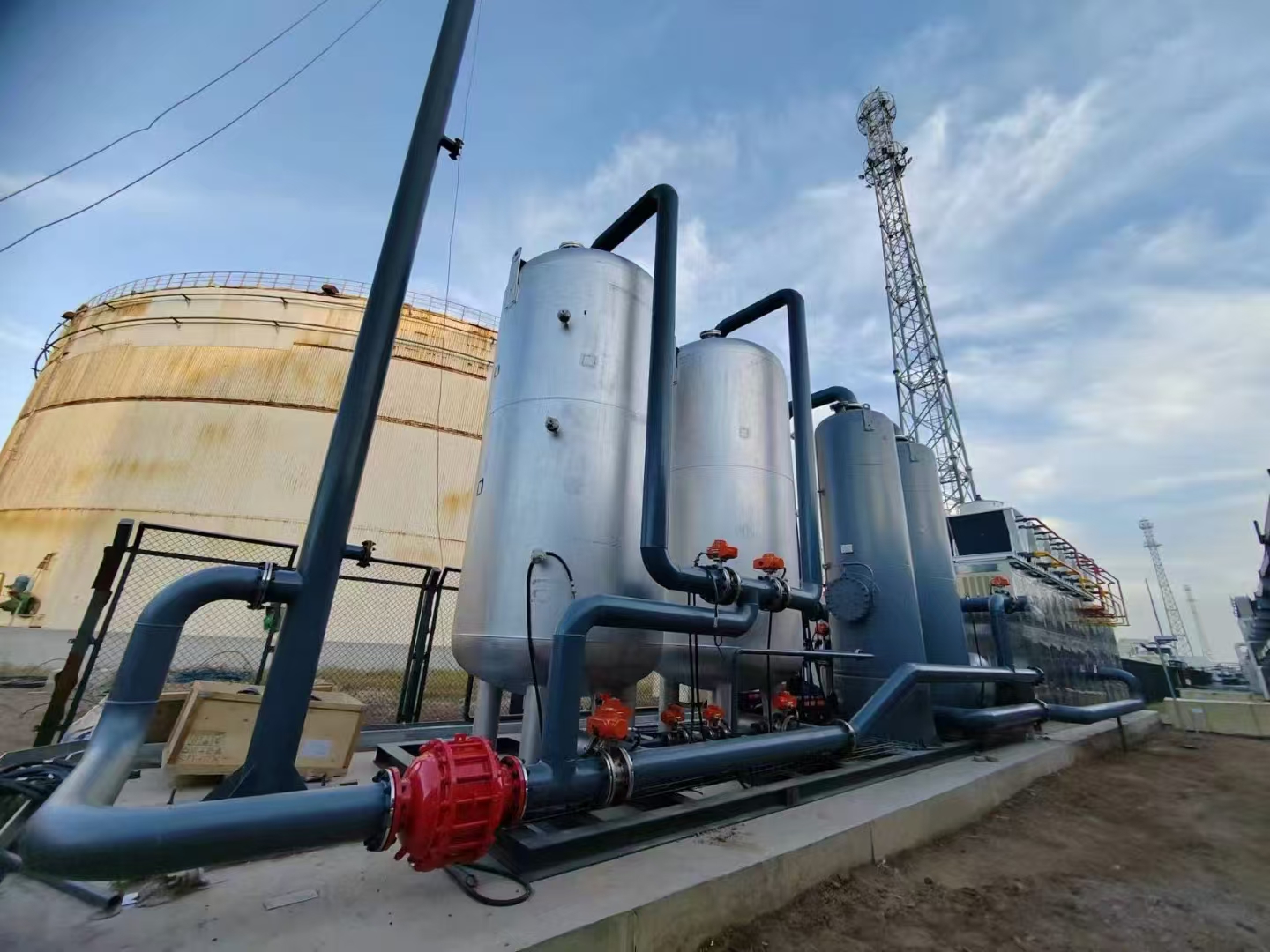
The core principle of oil and gas recovery is not complicated: converting volatile oil and gas from a gaseous state to a liquid state, and then converting it back into usable gasoline. But to achieve this transformation efficiently and stably in industrial scenarios, it requires the collaborative cooperation of multiple technological routes. The mainstream recycling methods in the industry currently include condensation, adsorption, absorption, and membrane separation, each with its unique applicable boundaries.
冷凝法是近年来备受关注的技术路线。其原理是通过制冷系统将油气逐级降温,使不同沸点的烃类组分依次冷凝为液态。以单压缩机自复叠制冷技术为例,油气经过三级冷却实现冷凝:首先降温至3~5℃,冷凝出重组分碳氢化合物和水;第二级冷却至-50~-65℃;第三级进一步冷却至-100~-110℃甚至更低,此时约99%的碳氢化合物被冷凝为液体。冷凝法的优势在于工艺流程相对较短、运行风险较低,回收物直接为液态油品,可作为产品再利用。
The condensation method is a technology route that has received much attention in recent years. The principle is to gradually cool the oil and gas through a refrigeration system, causing different boiling point hydrocarbon components to condense into liquid state in sequence. Taking the single compressor self cascade refrigeration technology as an example, oil and gas are condensed through three-stage cooling: first, they are cooled to 3-5 ℃ to condense heavy components of hydrocarbons and water; The second stage is cooled to -50 to -65 ℃; The third stage is further cooled to -100 to -110 ℃ or even lower, at which point about 99% of the hydrocarbons are condensed into liquid. The advantage of condensation method is that the process flow is relatively short, the operational risk is low, and the recovered material is directly liquid oil, which can be reused as a product.
吸附法则利用活性炭、沸石等吸附材料的选择性吸附能力,将油气中的烃类组分截留,再通过真空脱附或热氮气脱附使吸附剂再生,脱附出的高浓度气体进入后续冷凝回收环节。这一技术路线的VOCs回收率可达90%以上,净化率达到96%,回收的溶剂纯度≥99%。
The adsorption method utilizes the selective adsorption ability of adsorption materials such as activated carbon and zeolite to intercept hydrocarbon components in oil and gas, and then regenerates the adsorbent through vacuum desorption or hot nitrogen desorption. The desorbed high concentration gas enters the subsequent condensation and recovery process. The VOCs recovery rate of this technological route can reach over 90%, the purification rate can reach 96%, and the purity of the recovered solvent is ≥ 99%.
值得关注的是,组合工艺正在成为行业主流。冷凝-吸附-催化油气回收净化技术已被列入2025年《国家污染防治技术指导目录》鼓励类技术。该技术针对非甲烷总烃浓度为20g/m?~400g/m?的油气,油气回收率>90%,VOCs净化效率>99%,单台(套)处理能力可达6000m?/h。其工艺路线是:油气经三级梯次降温冷凝回收;不凝气经变压吸附,高浓度脱附气体返回冷凝入口循环处理;较低浓度脱附气体与吸附排气经催化氧化后排放,实现了多组分油气资源化和低浓度尾气深度净化的双重目标。
It is worth noting that the combination process is becoming mainstream in the industry. The condensation adsorption catalytic oil and gas recovery and purification technology has been included in the encouraged category of technologies in the 2025 National Pollution Prevention and Control Technical Guidance Catalog. Does this technology target non methane total hydrocarbon concentrations of 20g/m? ~400g/m? The oil and gas recovery rate is over 90%, the VOCs purification efficiency is over 99%, and the processing capacity of a single unit (set) can reach 6000m ³/h. The process route is: oil and gas are cooled and condensed in three stages for recovery; Non condensable gas is subjected to pressure swing adsorption, and high concentration desorbed gas is returned to the condensing inlet for circulation treatment; The emission of low concentration desorbed gases and adsorbed exhaust gases through catalytic oxidation achieves the dual goals of multi-component oil and gas resource utilization and deep purification of low concentration exhaust gases.
从经济效益看,油气回收设备的投资回收周期通常在10至27个月之间,月运行费用仅占回收溶剂价值的20%左右,收益率可达70%。这一数据表明,油气回收已不再是单纯的环保投入,而是兼具环境效益和经济效益的明智投资。
From an economic perspective, the investment recovery cycle of oil and gas recovery equipment is usually between 10 and 27 months, with monthly operating costs accounting for only about 20% of the recovered solvent value, and a yield of up to 70%. This data indicates that oil and gas recovery is no longer simply an environmental investment, but a wise investment that combines environmental and economic benefits.
本文由油气回收设备友情奉献.更多有关的知识请点击:http://www.kosman2018.com真诚的态度.为您提供为全面的服务.更多有关的知识我们将会陆续向大家奉献.敬请期待.
This article is a friendly contribution from oil and gas recovery equipment For more information, please click: http://www.kosman2018.com Sincere attitude To provide you with comprehensive services We will gradually contribute more relevant knowledge to everyone Coming soon.