侯恩党13693683012
 侯恩党13693683012
在工业有机废气治理领域,高浓度废气既是挑战也是机遇。当废气中VOCs浓度足够高时,其本身蕴含的化学能足以维持氧化分解所需的温度——这正是RTO/CO冷凝预处理设备的设计哲学:让废气“自给自足”,实现热能自持运行。
In the field of industrial organic waste gas treatment, high concentration waste gas is both a challenge and an opportunity. When the concentration of VOCs in the exhaust gas is high enough, the chemical energy contained in it is sufficient to maintain the temperature required for oxidation and decomposition - this is the design philosophy of RTO/CO condensation pretreatment equipment: to make the exhaust gas "self-sufficient" and achieve self-sustaining operation of thermal energy.
蓄热式热氧化炉(RTO) 是处理高浓度有机废气的核心装备。其工作原理是:将有机废气加热至760℃以上,使VOCs氧化分解为二氧化碳和水,同时利用蓄热体对处理前后的气体进行热交换,最大限度回收热量。当废气浓度达到约1.5g/Nm?时,RTO即可实现不需要补充燃料的自持燃烧。这一临界浓度意味着,只要废气浓度足够,运行成本可以大幅降低。
Regenerative thermal oxidation furnace (RTO) is the core equipment for treating high concentration organic waste gas. Its working principle is to heat organic waste gas to above 760 ℃, causing VOCs to oxidize and decompose into carbon dioxide and water. At the same time, a heat storage body is used to exchange heat between the gas before and after treatment, maximizing the recovery of heat. When the concentration of exhaust gas reaches about 1.5g/Nm? RTO can achieve self-sustaining combustion without the need for additional fuel. This critical concentration means that as long as the exhaust gas concentration is sufficient, operating costs can be significantly reduced.
催化氧化炉(CO) 则通过催化剂的作用,将反应温度降低至320-430℃。催化剂在反应过程中并不消耗,但需要定期更换,一般情况下催化剂寿命为1-3年。CO的优势在于操作温度低、能耗相对较少,但对废气的洁净度要求更高——颗粒物会堵塞催化剂,汞、硫和卤素化合物则会导致催化剂中毒。
The catalytic oxidation furnace (CO) lowers the reaction temperature to 320-430 ℃ through the action of the catalyst. The catalyst is not consumed during the reaction process, but needs to be replaced regularly. Generally, the lifespan of the catalyst is 1-3 years. The advantage of CO lies in its low operating temperature and relatively low energy consumption, but it requires higher cleanliness of the exhaust gas - particulate matter can clog the catalyst, while mercury, sulfur, and halogen compounds can cause catalyst poisoning.
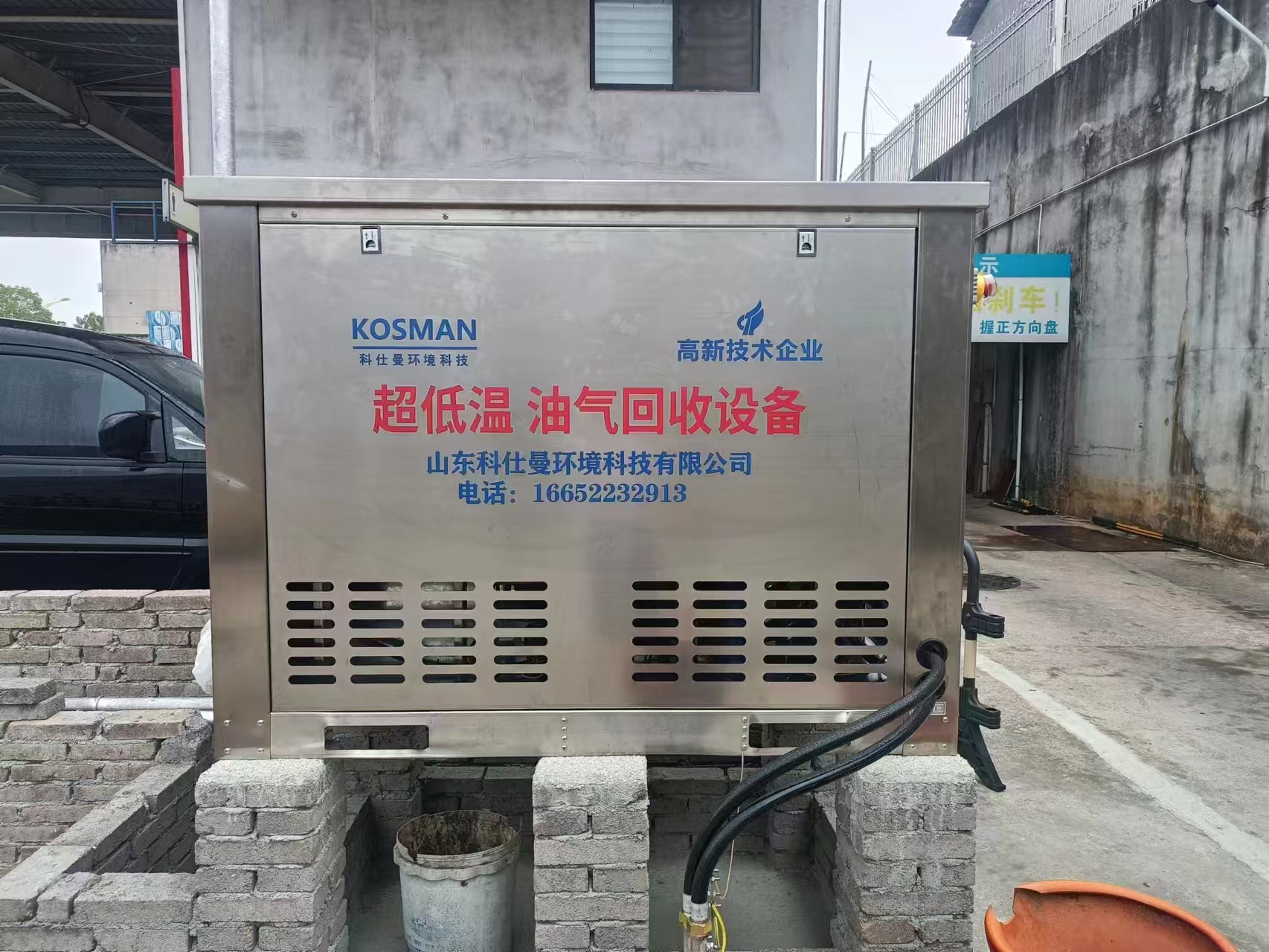
RTO与CO的组合工艺代表了当前技术的前沿方向。一项专利技术显示,高浓度有机废气处理系统将RTO蓄热燃烧器与换热式CO装置串联,RTO燃烧产生的高温气体一部分进入蓄热体进行热回收,用于预热后续循环的废气;由于浓度较高,多余热量可通过热旁路汇总,将气体再热至CO炉催化氧化所需的温度,因此整个系统无需添加辅助燃料即可实现自热运行。
The combination process of RTO and CO represents the forefront direction of current technology. A patented technology shows that a high concentration organic waste gas treatment system connects an RTO thermal storage burner in series with a heat exchange CO device. A portion of the high-temperature gas generated by RTO combustion enters the thermal storage body for heat recovery, which is used to preheat the waste gas for subsequent cycles; Due to its high concentration, excess heat can be collected through a thermal bypass to reheat the gas to the temperature required for catalytic oxidation in the CO furnace. Therefore, the entire system can achieve self heating operation without adding auxiliary fuel.
这套组合系统的灵活性尤为突出。对于浓度波动较大的废气工况,可以适当增加CO炉中催化剂的装载量以提高处理效率(处理效率可调至97%);若废气浓度较低,则可减少催化剂装载量以节省处理成本。更重要的是,组合系统的单位时间排气量较单独使用RTO减少5至10倍,因为高浓度废气无需先用空气稀释,直接进入系统处理即可。
The flexibility of this combination system is particularly outstanding. For exhaust gas conditions with large concentration fluctuations, the loading amount of catalyst in the CO furnace can be appropriately increased to improve treatment efficiency (the treatment efficiency can be adjusted to 97%); If the concentration of exhaust gas is low, the catalyst loading can be reduced to save treatment costs. More importantly, the unit time exhaust volume of the combined system is reduced by 5 to 10 times compared to using RTO alone, because high concentration exhaust gas does not need to be diluted with air first and can be directly processed by the system.
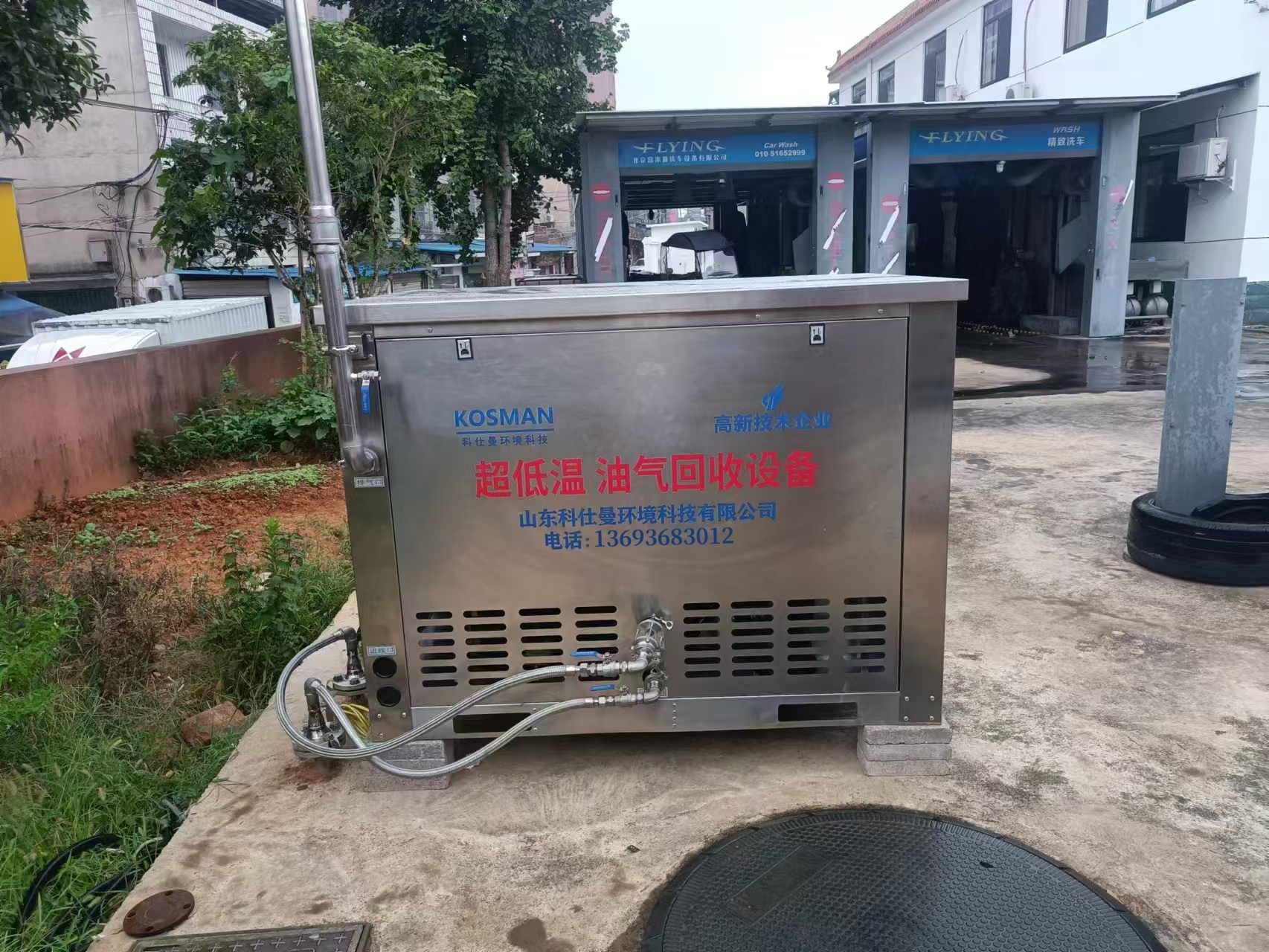
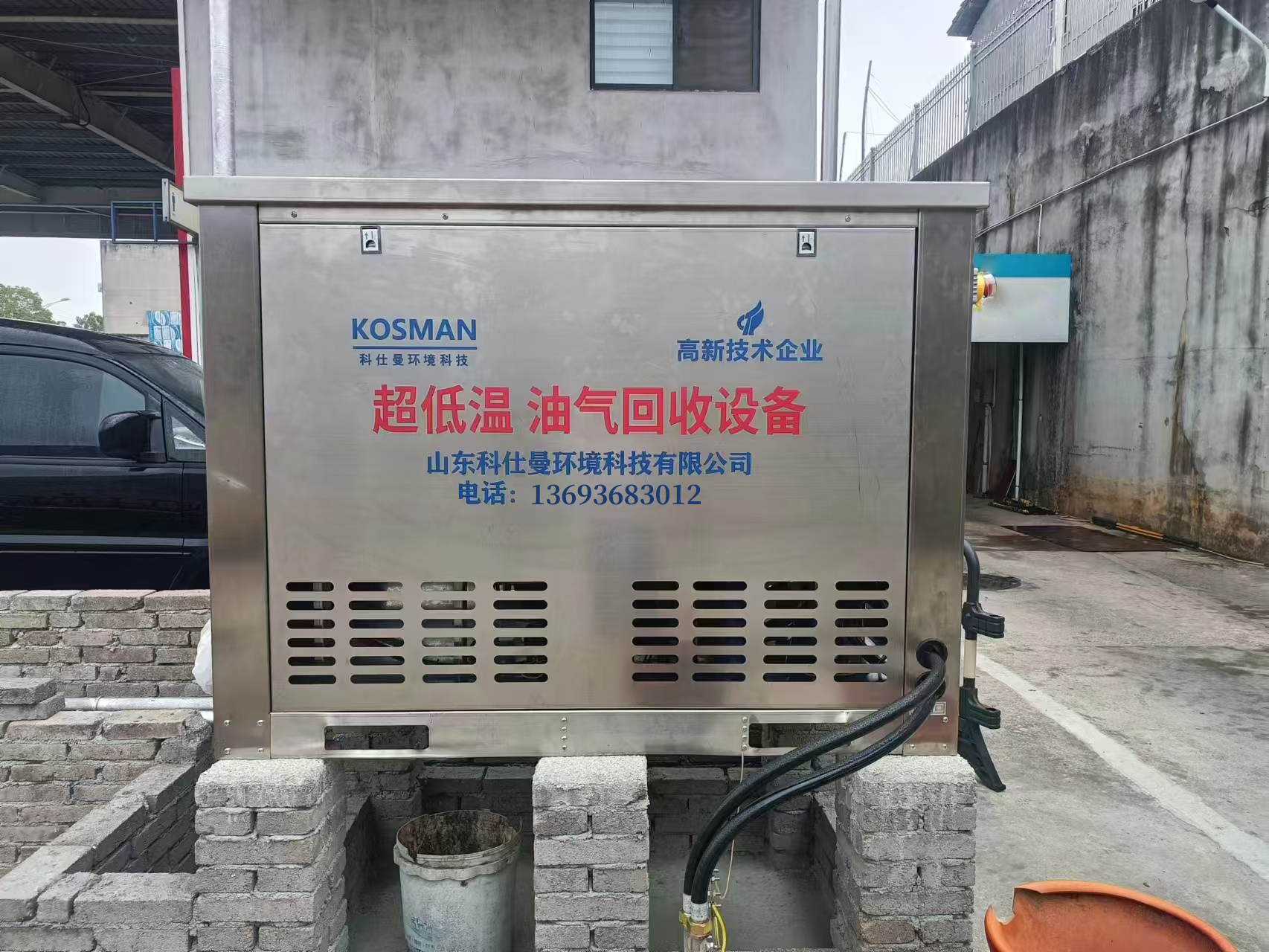
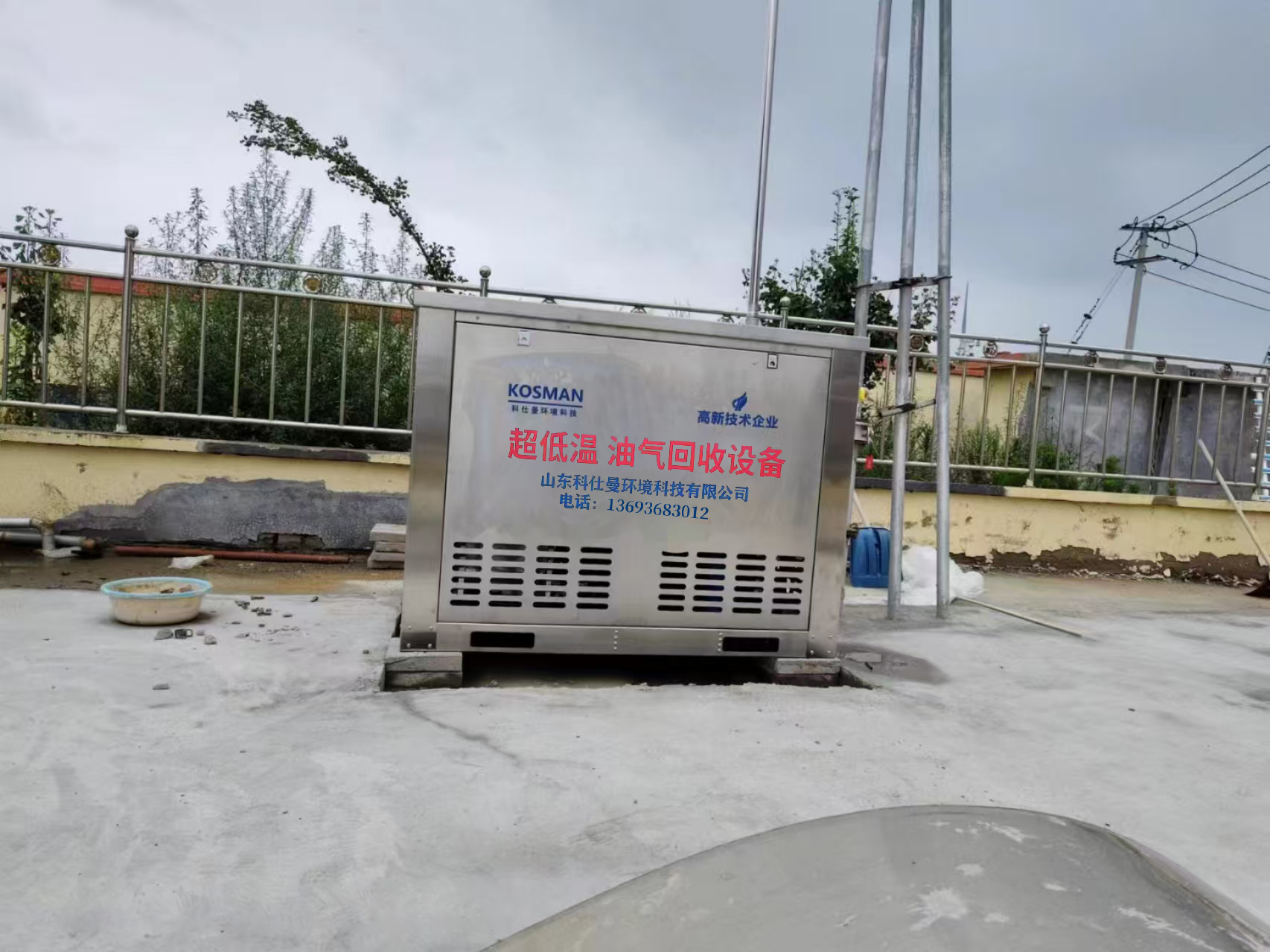
冷凝预处理在这一体系中扮演着“前哨”角色。当废气中含有高沸点组分或需要回收有价值溶剂时,先通过冷凝将部分有机物液化回收,既可以降低后续氧化装置的负荷,又能实现资源的二次利用。冷凝产生的不凝气则引入吸附装置进行再次吸附处理,形成完整的净化链条。
Condensation pretreatment plays a "vanguard" role in this system. When high boiling point components are present in the exhaust gas or valuable solvents need to be recovered, some organic matter is first liquefied and recovered through condensation, which can reduce the load on subsequent oxidation units and achieve secondary utilization of resources. The non condensable gas generated by condensation is introduced into the adsorption device for further adsorption treatment, forming a complete purification chain.
从工程投资角度看,以10000m?/h处理规模计算,RTO设备投资约300-500万元,运行费用约为50-80万元/年;催化氧化法投资相近,但运行费用略低,约50万元/年。对于高浓度废气场景,这些设备的运行成本可被热能自持大幅抵消,实际运营经济性远优于传统处理方式。RTO/CO冷凝预处理设备的真正价值,在于将废气从“治理对象”转变为“能源载体”,实现了环保与节能的双赢。
From the perspective of engineering investment, based on a processing capacity of 10000m ³/h, the investment in RTO equipment is about 3-5 million yuan, and the operating cost is about 500000 to 800000 yuan/year; The investment in catalytic oxidation method is similar, but the operating cost is slightly lower, about 500000 yuan/year. For high concentration exhaust gas scenarios, the operating costs of these devices can be significantly offset by self-sustaining thermal energy, and the actual operational economy is much better than traditional treatment methods. The true value of RTO/CO condensation pretreatment equipment lies in transforming exhaust gas from a "treatment object" to an "energy carrier", achieving a win-win situation for environmental protection and energy conservation.
本文由RTO/CO冷凝预处理设备友情奉献.更多有关的知识请点击:http://www.kosman2018.com真诚的态度.为您提供为全面的服务.更多有关的知识我们将会陆续向大家奉献.敬请期待.
This article is a friendly contribution from RTO/CO condensation pretreatment equipment For more information, please click: http://www.kosman2018.com Sincere attitude To provide you with comprehensive services We will gradually contribute more relevant knowledge to everyone Coming soon.