侯恩党13693683012
 侯恩党13693683012
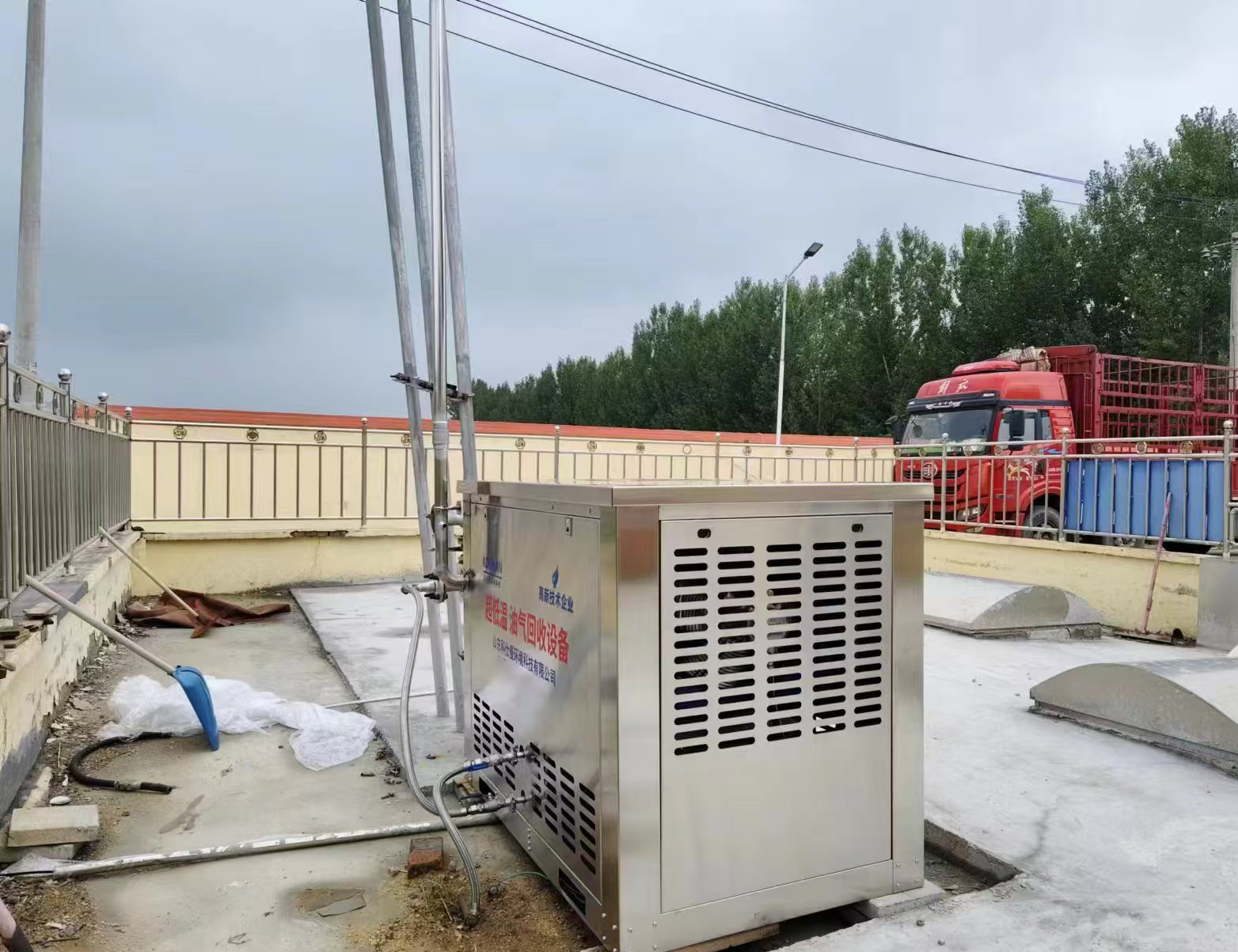
超低温油气回收设备,常被理解成“把温度打到-180℃就万事大吉”。真到罐区和加油站现场,深冷只是手段,收得回、不结霜、不跑轻烃才是目的。
Ultra low temperature oil and gas recovery equipment is often understood as "bringing the temperature to -180 ℃ is all good". When it comes to tank farms and gas stations, deep freezing is just a means, and the goal is to retrieve, prevent frosting, and prevent the escape of light hydrocarbons.
先说分级冷凝的逻辑。
First, let's talk about the logic of graded condensation.
油气不是一种纯物质,是C2到C6+的混合气,沸点跨度大。硬一步拉到极低温,压缩机压差爆炸、换热器结霜堵死、电费比回收的油还贵。
Oil and gas are not pure substances, but a mixture of C2 to C6+with a wide range of boiling points. Taking a hard step to extremely low temperatures, the compressor pressure difference will explode, the heat exchanger will freeze and block, and electricity costs will be higher than recycled oil.

工程上走梯度:
Engineering gradient:
预冷3~5℃:先析水、收重油,给后级减负;
Pre cooling at 3-5 ℃: first precipitate water, collect heavy oil, and reduce the load on the subsequent stage;
一级-30℃左右:C5+重组分液化;
Level 1: around -30 ℃: C5+heavy component liquefaction;
二级-70~-110℃:C3/C4轻烃大量凝出;
Secondary -70~-110 ℃: A large amount of C3/C4 light hydrocarbons condense out;
深冷-110℃以下:兜残余轻组分,但继续往下每降10℃能耗跳一截。
Cryogenic below -110 ℃: residual light components are retained, but energy consumption jumps for every 10 ℃ decrease further.
科仕曼这类工艺的痛点突破点,在C2/C3/C4。
The pain point breakthrough point for processes like Kesiman lies in C2/C3/C4.
传统“冷凝+活性炭”容易栽在:活性炭吸附饱和后热脱附,把轻烃解析出来又排掉,排放浓度忽高忽低。超低温模块把轻烃先冻成液,脱附气再回前端重新冷凝,形成“冷凝为主、吸附兜底”的闭环,不靠活性炭硬扛轻组分。
The traditional "condensation+activated carbon" approach is prone to occur when activated carbon adsorbs and saturates, causing thermal desorption and the release of light hydrocarbons, resulting in fluctuating emission concentrations. The ultra-low temperature module first freezes light hydrocarbons into liquid, desorbs gas, and then returns to the front end for re condensation, forming a closed loop of "condensation as the main, adsorption as the bottom", without relying on activated carbon to carry light components.
防结霜比拼制冷量重要。
Preventing frost is more important than assembling cooling capacity.
水汽在预冷段没脱干净,到-40℃以后变冰糊在换热翅片,风道压降每天涨一点,三个月制冷衰减30%。
The water vapor was not completely removed in the pre cooling section, and after reaching -40 ℃, it turned into ice paste on the heat exchange fins. The pressure drop in the air duct increased slightly every day, and the cooling decreased by 30% after three months.
做法:
Method:
进气先除湿/气液预分离;
Dehumidification before intake/gas-liquid pre separation;
预冷级单独排液,水油分开;
Pre cooling stage is discharged separately, with water and oil separated;
深冷换热器做双通道自动融霜,一路化霜一路运行,不中断排气;
The cryogenic heat exchanger is equipped with dual channel automatic defrosting, with one defrosting process and the other running without interruption of exhaust;
低温余气回热,把进气先预冷再进主机,省电也防霜。
Low temperature residual gas is reheated by pre cooling the intake before entering the main engine, which saves energy and prevents frost.
气液分离和回液要稳。
Gas liquid separation and reflux must be stable.
冷凝液不是“接个桶”就行。液位高了用防爆泵送回储油罐,低了自动停;管路伴热防冬凝,单向阀防回灌。液态烃进吸附床是禁忌——入口必须加凝缩罐和液位联锁。
Condensed liquid is not just a matter of 'adding another bucket'. When the liquid level is high, use an explosion-proof pump to send it back to the oil storage tank, and when it is low, it will automatically stop; Pipeline heat tracing to prevent winter condensation, one-way valve to prevent backflow. Liquid hydrocarbons entering the adsorption bed are contraindicated - a condensation tank and liquid level interlock must be added at the inlet.
不凝气怎么收尾:
How to end non condensable gas:
大部分负荷被冷凝吃掉后,剩余低浓度尾气进双塔活性炭(一用一备);
After most of the load is condensed and consumed, the remaining low concentration exhaust gas enters the dual tower activated carbon (one for use and one for backup);
吸附饱和真空脱附,脱附气回流前端再冷凝;
Adsorption saturation vacuum desorption, desorption gas reflux before condensation;
出口非甲烷总烃按工况控到≤10~25mg/m³,别只盯“设备标称-180℃”。
The export of non methane total hydrocarbons should be controlled to ≤ 10-25mg/m ³ according to operating conditions, and not just focus on the "equipment nominal -180 ℃".
运行期盯五个数:
Focus on five numbers during the operation period:
各级换热器进出口温差(衰减超15%查结霜);
Temperature difference between inlet and outlet of heat exchangers at all levels (check for frost if attenuation exceeds 15%);
回收液含水率(乳化说明预冷没控好);
The moisture content of the recovered liquid (emulsification indicates that the pre cooling was not well controlled);
不凝气VOCs浓度+LEL余量;
Non condensable VOCs concentration+LEL balance;
吸附床层温度(超温联锁切罐);
Adsorption bed temperature (over temperature interlock cut-off tank);
电耗kWh/m³油气(深冷机看长期账,不是看瞬间冷度)。
Electricity consumption kWh/m ³ of oil and gas (for deep cooling machines, we look at long-term accounts, not instantaneous cooling).
选型别只问“能到零下多少度”。
Don't just ask 'how much temperature can it reach below zero' when choosing a model.
问清楚:
Ask clearly:
梯度温度档位还是单级深冷;
Gradient temperature gear or single-stage cryogenic;
是否带回热和自动融霜;
Whether to bring back heat and automatic defrosting;
轻烃脱附回流闭环有没有;
Is there a closed-loop system for light hydrocarbon desorption reflux;
整机Ex防爆认证和阻火接地;
Ex explosion-proof certification and fire-resistant grounding for the entire machine;
耗电、回收率、活性炭更换周期三项实测数据。
Three measured data: power consumption, recovery rate, and activated carbon replacement cycle.
超低温设备的本质,不是“冻得狠”,是把混合油气按沸点拆开收:水先走、重油先落、轻烃变液、尾巴给活性炭。温度只是工具,收得回、稳得住、算得过账,才是真超低温。
The essence of ultra-low temperature equipment is not to "freeze hard", but to separate and collect mixed oil and gas according to their boiling points: water goes first, heavy oil falls first, light hydrocarbons become liquid, and the tail is given to activated carbon. Temperature is just a tool, it can be retrieved, stabilized, and accounted for, which is the true ultra-low temperature.