侯恩党13693683012
 侯恩党13693683012
在工业挥发性有机物(VOCs)的治理工程中,蓄热式氧化(TO/RTO)与催化氧化(CO)是两种主流的末端处理技术。然而,面对高浓度、大风量或含有回收价值的废气工况,单纯的氧化处理往往面临能耗过高或运行不稳定的风险。此时,冷凝预处理设备作为前端“把关者”,其在整个工艺流程中的战略地位便显得尤为突出。
In the treatment of industrial volatile organic compounds (VOCs), thermal storage oxidation (TO/RTO) and catalytic oxidation (CO) are two mainstream end treatment technologies. However, in the face of high concentration, high air volume, or waste gas conditions with recycling value, simple oxidation treatment often faces the risk of high energy consumption or unstable operation. At this point, as the front-end "gatekeeper", the strategic position of the condensation pretreatment equipment in the entire process becomes particularly prominent.
冷凝预处理的核心逻辑在于利用物质在不同温度下饱和蒸气压的差异,通过物理降温的方式将废气中的气态有机污染物转化为液态,从而实现污染物的分离与回收。在TO/CO系统前段设置冷凝单元,首要任务是“削峰填谷”,即降低进入氧化炉的VOCs浓度。当废气浓度波动较大或瞬间浓度过高时,直接进入RTO可能导致炉膛温度失控,甚至引发安全隐患;而进入CO系统则可能导致催化剂床层超温烧结。冷凝设备能够将废气温度降低至露点以下,使大部分高沸点、高浓度的有机组分液化析出,确保进入后端氧化系统的废气浓度维持在安全且稳定的范围内。
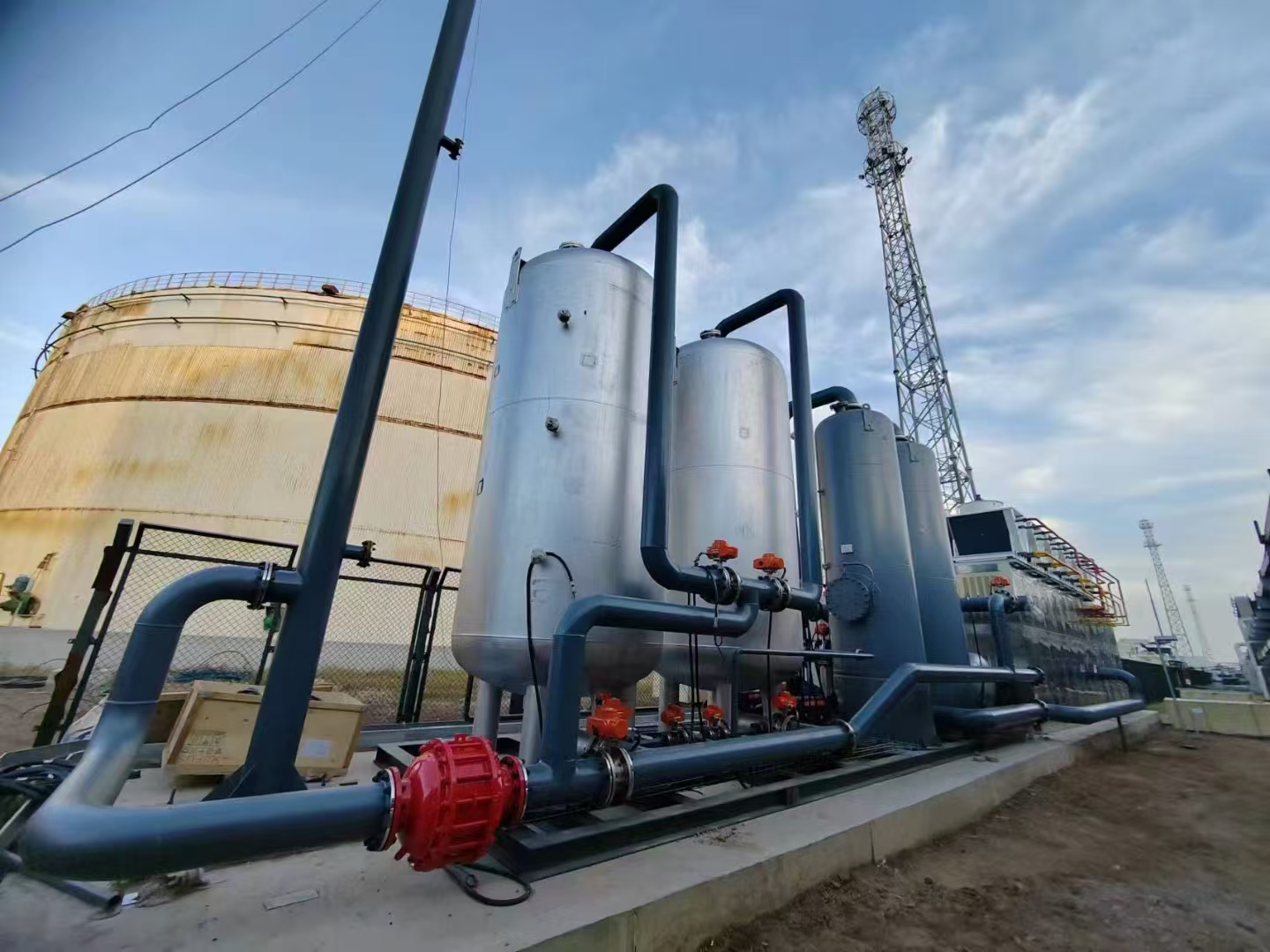
The core logic of condensation pretreatment is to utilize the difference in saturated vapor pressure of substances at different temperatures, and convert gaseous organic pollutants in exhaust gas into liquid through physical cooling, thereby achieving the separation and recovery of pollutants. The primary task of setting up a condensation unit in the front section of the TO/CO system is to "peak shaving and valley filling", that is, to reduce the concentration of VOCs entering the oxidation furnace. When the concentration of exhaust gas fluctuates greatly or the instantaneous concentration is too high, directly entering RTO may lead to uncontrolled furnace temperature and even cause safety hazards; Entering the CO system may lead to overheating sintering of the catalyst bed. The condensing equipment can lower the temperature of the exhaust gas below the dew point, causing most of the high boiling point and high concentration organic components to liquefy and precipitate, ensuring that the concentration of the exhaust gas entering the back-end oxidation system is maintained within a safe and stable range.
此外,冷凝预处理是实现资源回收利用的关键环节。对于印刷、涂装、化工等行业排放的废气,其中往往含有甲苯、二甲苯、酮类等具有较高经济价值的溶剂。通过多级冷凝技术(如一级水冷配合二级冷冻水或液氮深冷),可以将这些溶剂以较高纯度回收,不仅抵消了部分环保治理成本,还符合循环经济的绿色发展理念。同时,冷凝过程还能有效去除废气中的水分和焦油状物质,防止这些杂质覆盖在RTO蓄热陶瓷表面或堵塞CO催化剂微孔,从而延长后端核心设备的使用寿命,降低系统阻力。因此,冷凝预处理不仅是TO/CO工艺的“安全阀”,更是“节能器”与“资源库”。
In addition, condensation pretreatment is a key step in achieving resource recycling and utilization. For the exhaust gases emitted from industries such as printing, painting, and chemical engineering, they often contain solvents with high economic value such as toluene, xylene, and ketones. By using multi-stage condensation technology (such as first stage water cooling combined with second stage chilled water or liquid nitrogen cryogenic), these solvents can be recovered with high purity, which not only offsets some environmental management costs, but also conforms to the green development concept of circular economy. At the same time, the condensation process can effectively remove moisture and tar like substances from the exhaust gas, preventing these impurities from covering the surface of RTO thermal storage ceramics or blocking the micropores of CO catalysts, thereby extending the service life of the back-end core equipment and reducing system resistance. Therefore, condensation pretreatment is not only a "safety valve" for the TO/CO process, but also an "energy-saving device" and a "resource library".
本文由加油站三次油气回收设备向大家友情奉献.更多有关的知识请点击:http://www.kosman2018.com我们将倾情为您解答.
This article is a friendly tribute from the gas station's three time oil and gas recovery equipment For more information, please click: http://www.kosman2018.com We will wholeheartedly provide you with answers