侯恩党13693683012
 侯恩党13693683012
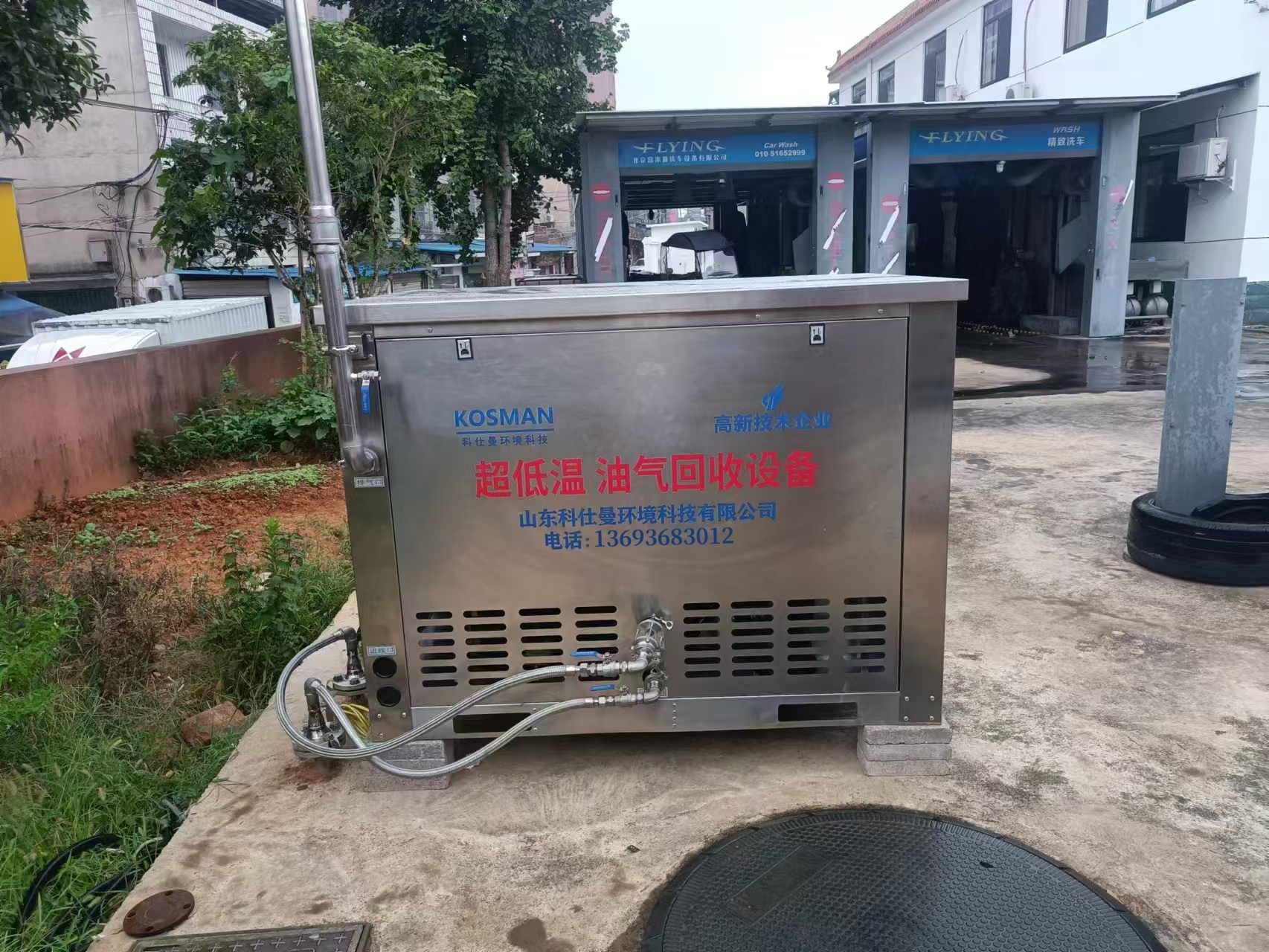
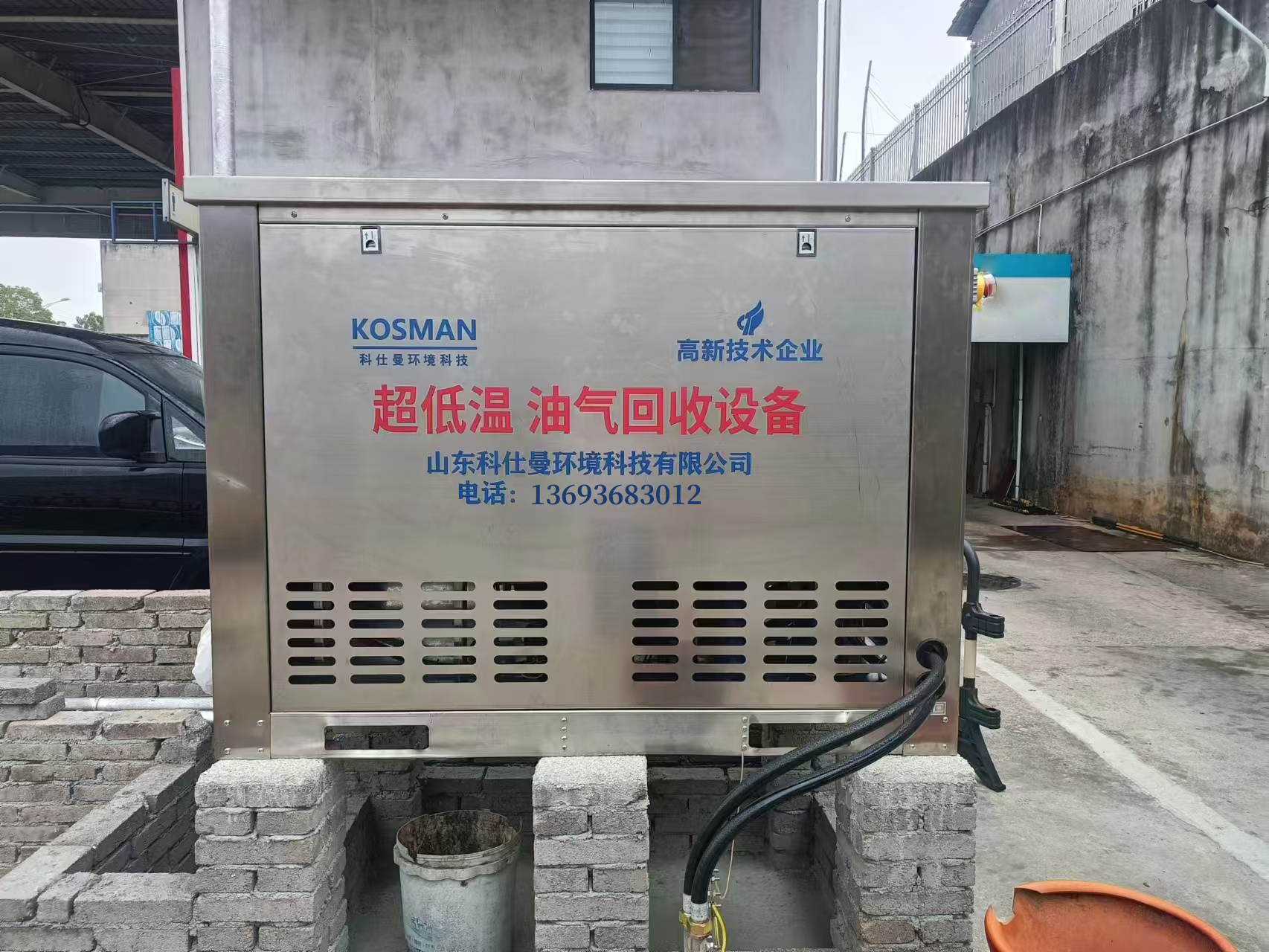
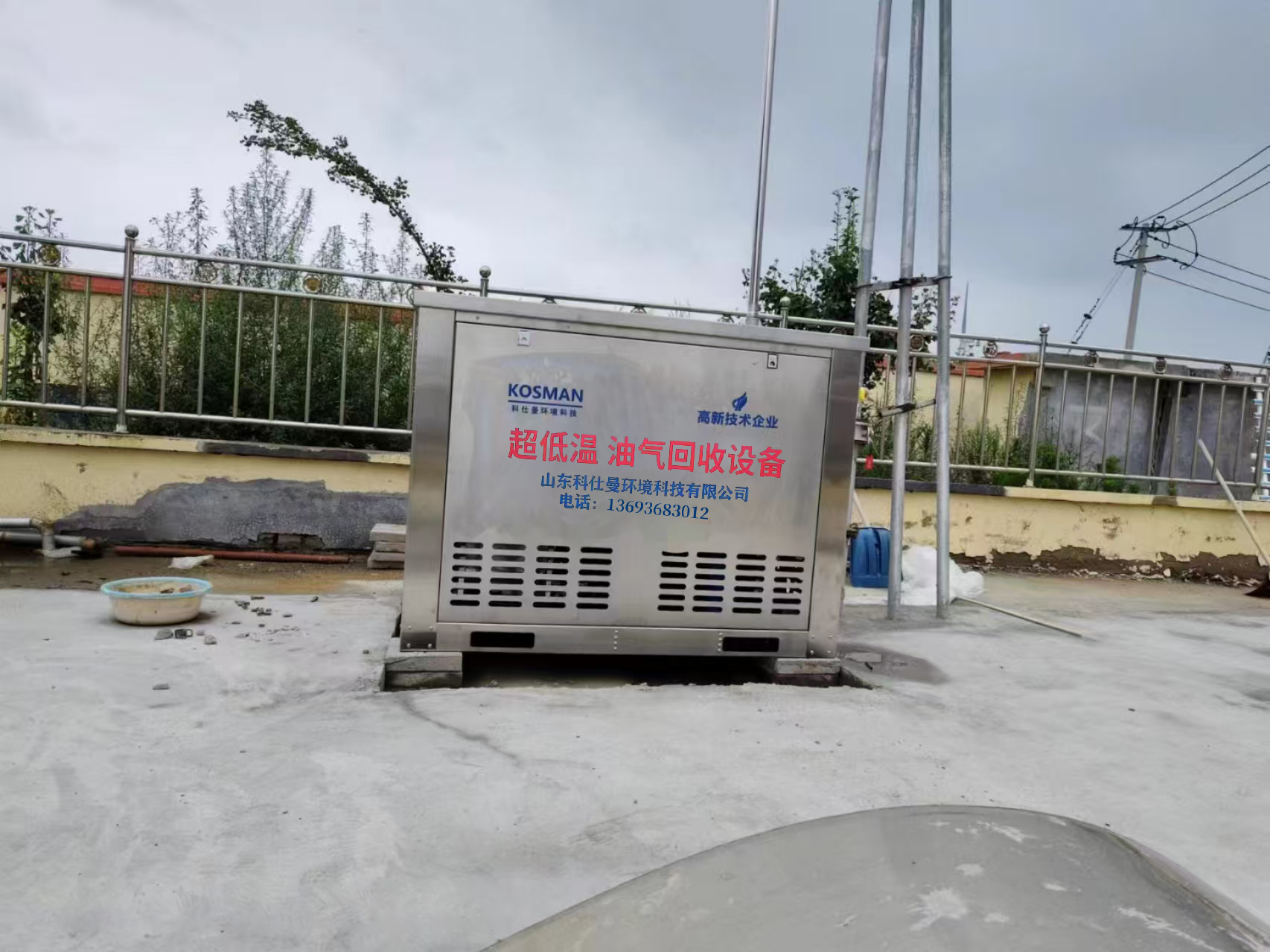
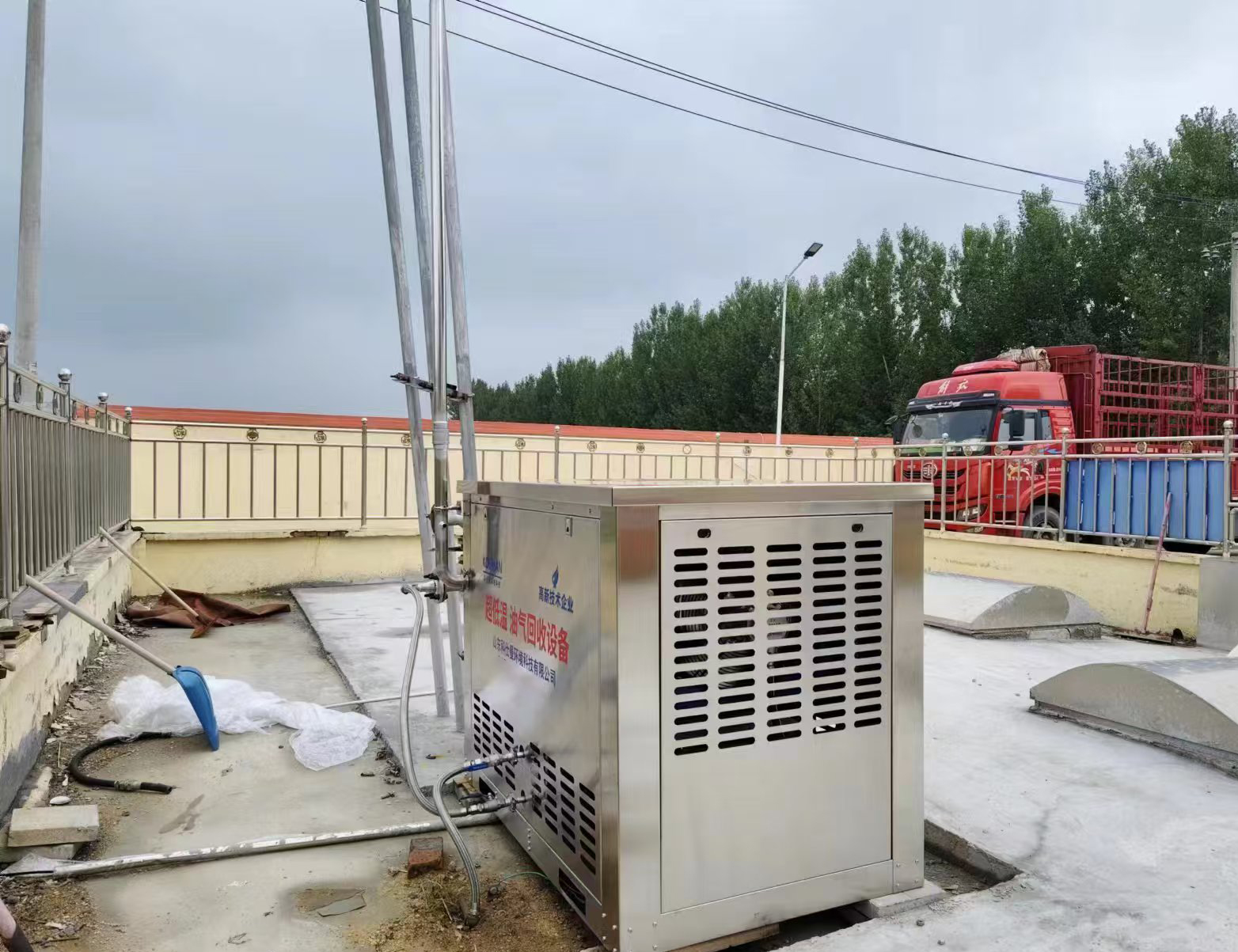
超低温油气回收设备是现代石油化工、仓储物流及码头装卸领域中,针对挥发性有机化合物(VOCs)进行深度治理与资源回收的高端装备。与传统单一的吸附或常温冷凝技术不同,超低温设备利用多级复叠制冷技术,将油气温度降低至-70℃甚至-110℃以下,从而利用不同烃类组分沸点的差异,实现油气的高效液化分离。
Ultra low temperature oil and gas recovery equipment is a high-end equipment for deep treatment and resource recovery of volatile organic compounds (VOCs) in modern petrochemical, warehousing and logistics, and port loading and unloading fields. Unlike traditional single adsorption or room temperature condensation techniques, ultra-low temperature equipment utilizes multi-stage cascade refrigeration technology to reduce the temperature of oil and gas to below -70 ℃ or even -110 ℃, thereby utilizing the differences in boiling points of different hydrocarbon components to achieve efficient liquefaction and separation of oil and gas.
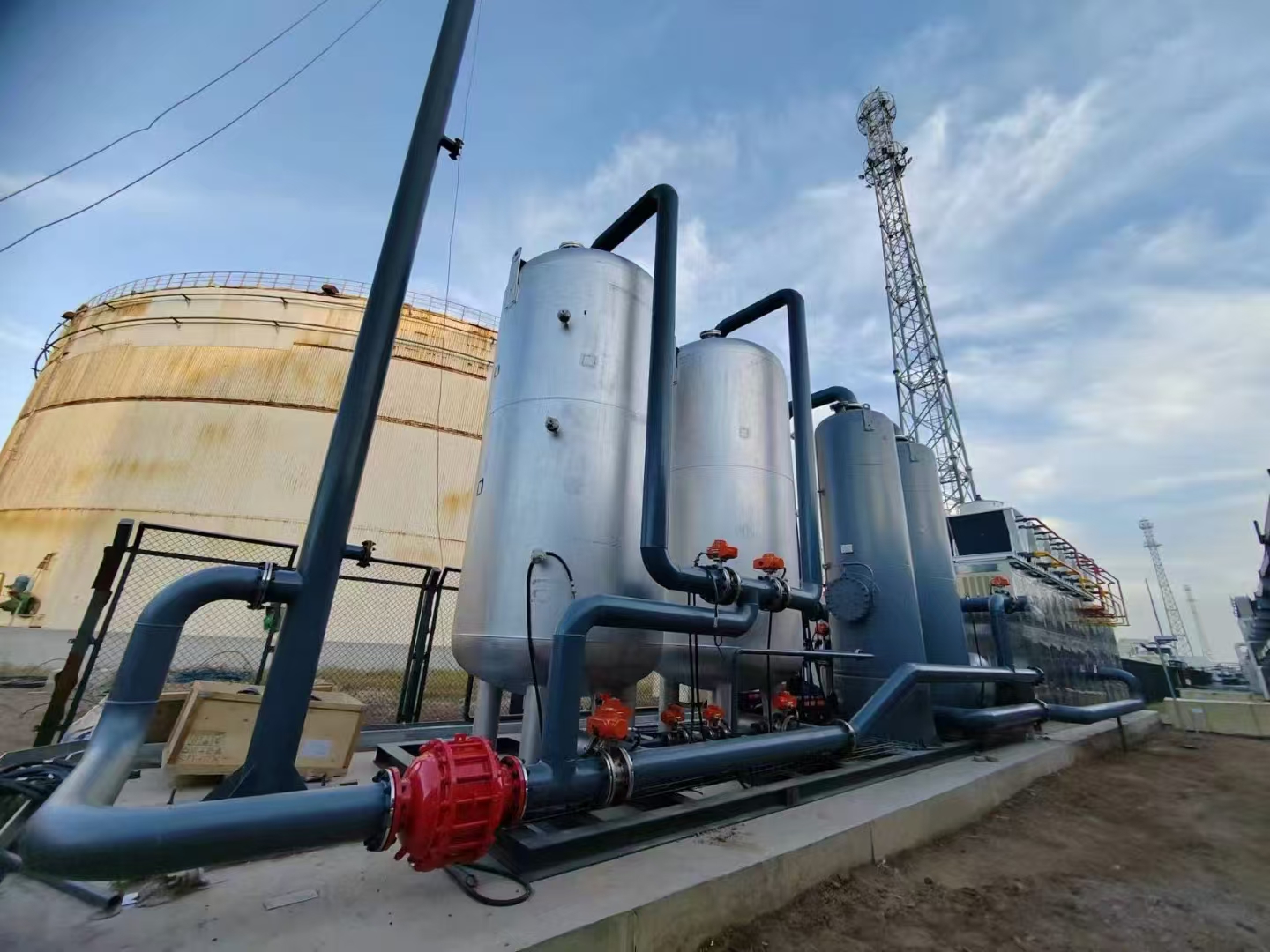
其核心工艺原理基于热力学相变理论。当含有高浓度油气(主要是汽油、石脑油等轻质油品挥发气)的混合气体进入设备后,首先经过预处理单元,去除其中的水分和杂质,防止后续低温段出现冰堵。随后,油气进入核心的制冷系统。该系统通常采用压缩机驱动的复叠制冷循环,利用乙二醇水溶液或专用载冷剂作为冷媒,通过换热器与油气进行热交换。随着温度的逐级降低,油气中的重质组分先冷凝,轻质组分后冷凝,最终在-100℃左右的深冷环境下,绝大部分碳氢化合物由气态转变为液态,通过气液分离器排出回收,而达标后的尾气则经加热后排放。
The core process principle is based on the thermodynamic phase transition theory. When a mixed gas containing high concentrations of oil and gas (mainly volatile gases from light oil products such as gasoline and naphtha) enters the equipment, it first goes through a pretreatment unit to remove moisture and impurities, preventing ice blockage in the subsequent low-temperature section. Subsequently, the oil and gas enter the core refrigeration system. This system usually adopts a compressor driven cascade refrigeration cycle, using ethylene glycol aqueous solution or dedicated refrigerant as the refrigerant, and exchanging heat with oil and gas through a heat exchanger. As the temperature gradually decreases, the heavy components in the oil and gas first condense, and the light components then condense. Finally, in a cryogenic environment around -100 ℃, the vast majority of hydrocarbons transform from gas to liquid and are discharged and recovered through a gas-liquid separator. The exhaust gas that meets the standard is heated and discharged.
超低温技术的优势在于其极高的回收率和直接的产品价值。相比吸附法需要解吸和二次处理,超低温冷凝法直接产出液态油品,且纯度较高,可直接回掺销售,经济效益显著。此外,该工艺系统相对封闭,无机械运动部件接触油气,安全性高,特别适合处理高浓度、小风量的油气排放工况,是解决“呼吸损耗”和装卸车损耗的终极技术方案。
The advantage of ultra-low temperature technology lies in its extremely high recovery rate and direct product value. Compared with the adsorption method that requires desorption and secondary treatment, the ultra-low temperature condensation method directly produces liquid oil products with higher purity, which can be directly blended and sold, and has significant economic benefits. In addition, the process system is relatively closed, with no mechanical moving parts in contact with oil and gas, and has high safety. It is particularly suitable for handling high concentration and low air volume oil and gas emissions, and is the ultimate technical solution to solve "breathing loss" and loading and unloading losses.
本文由加油站三次油气回收设备向大家友情奉献.更多有关的知识请点击:http://www.kosman2018.com我们将倾情为您解答.
This article is a friendly tribute from the gas station's three time oil and gas recovery equipment For more information, please click: http://www.kosman2018.com We will wholeheartedly provide you with answers