侯恩党13693683012
 侯恩党13693683012
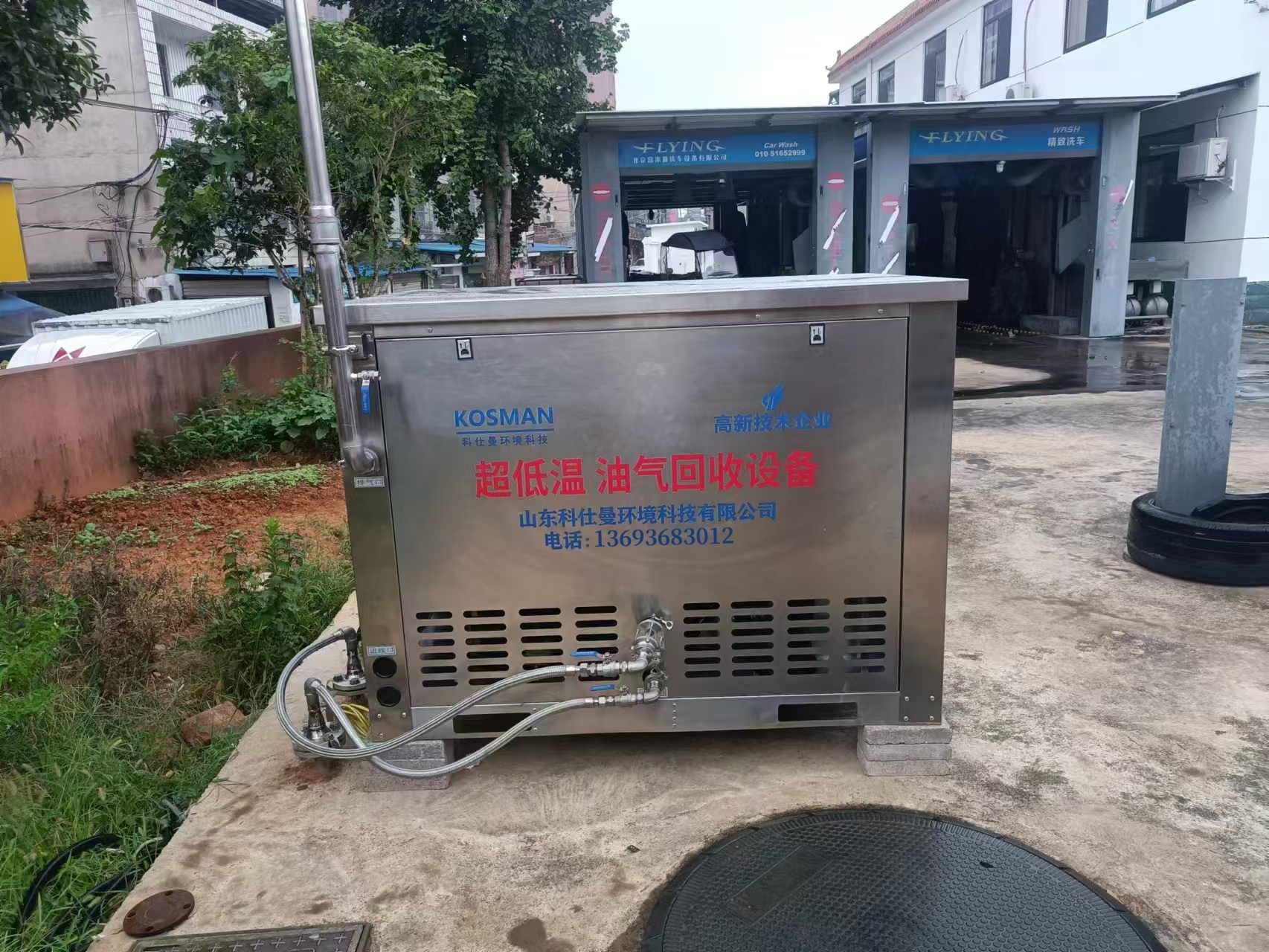
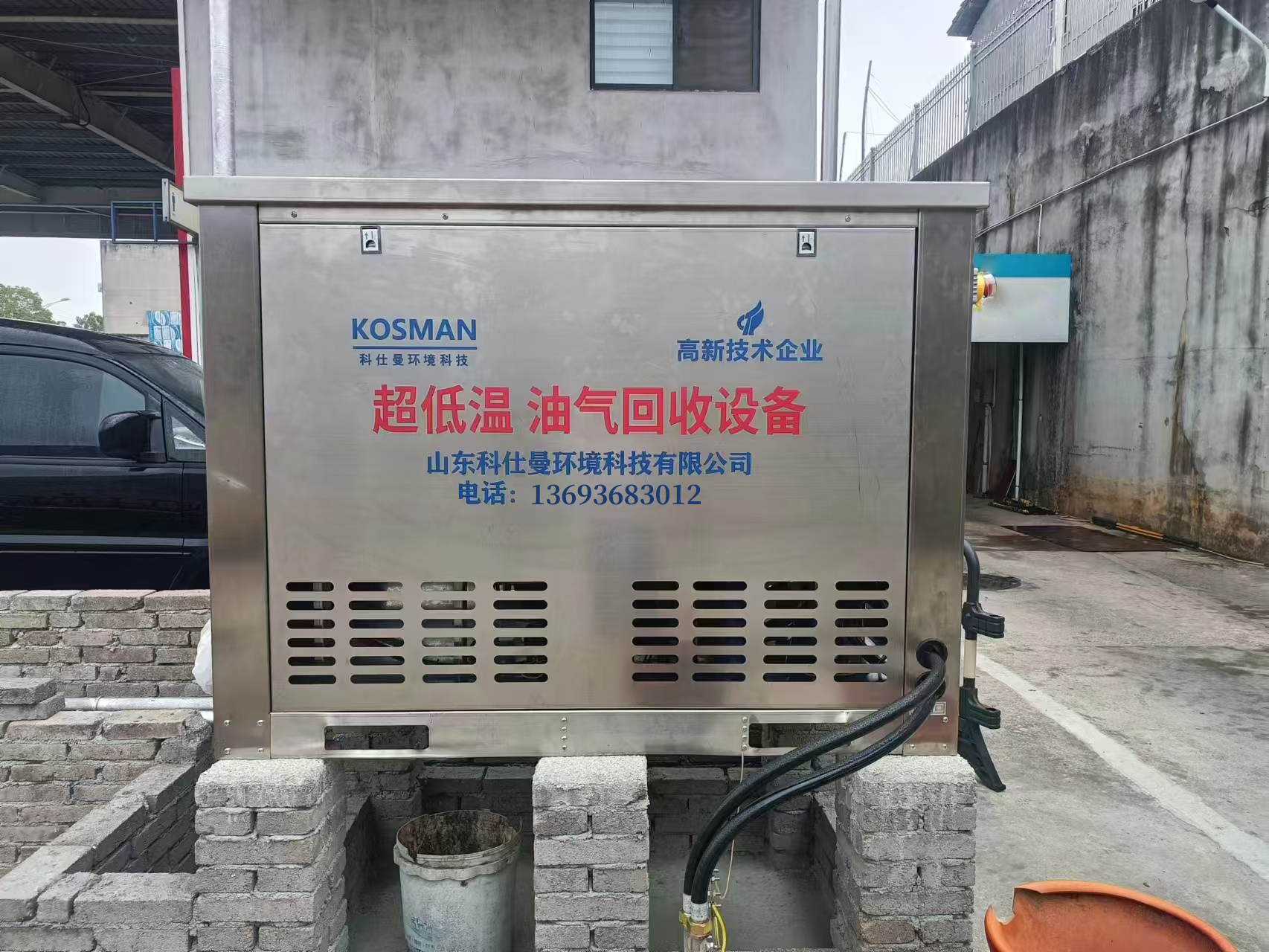
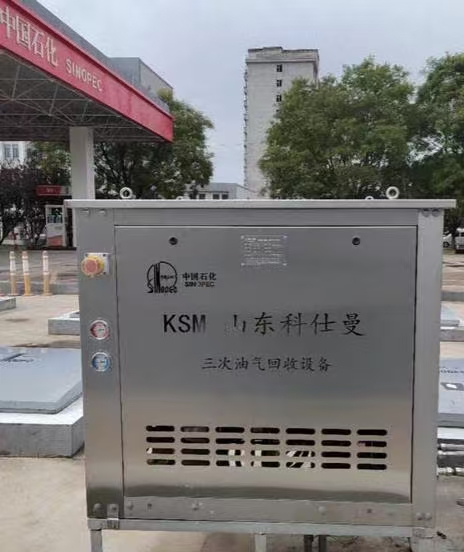
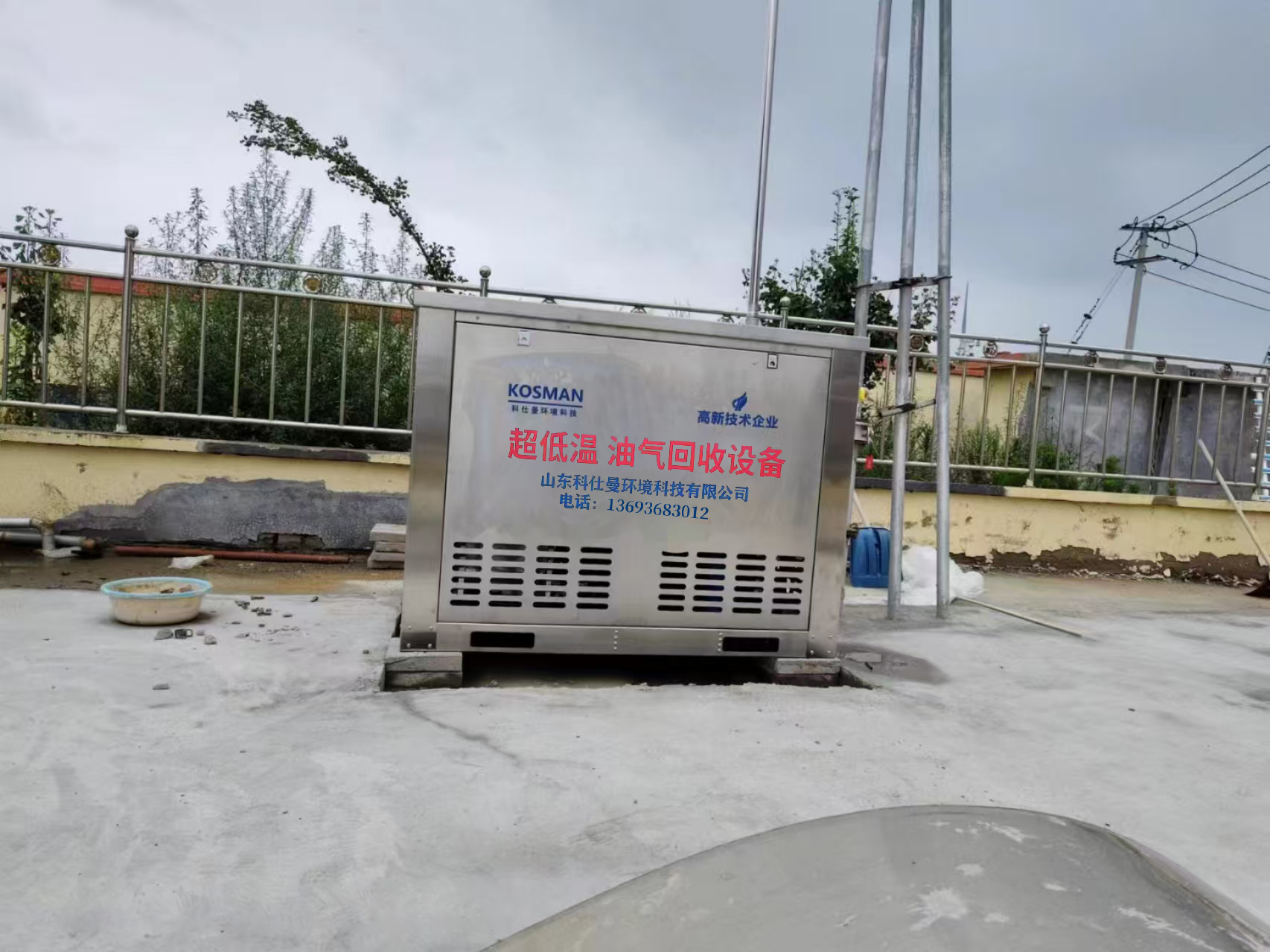
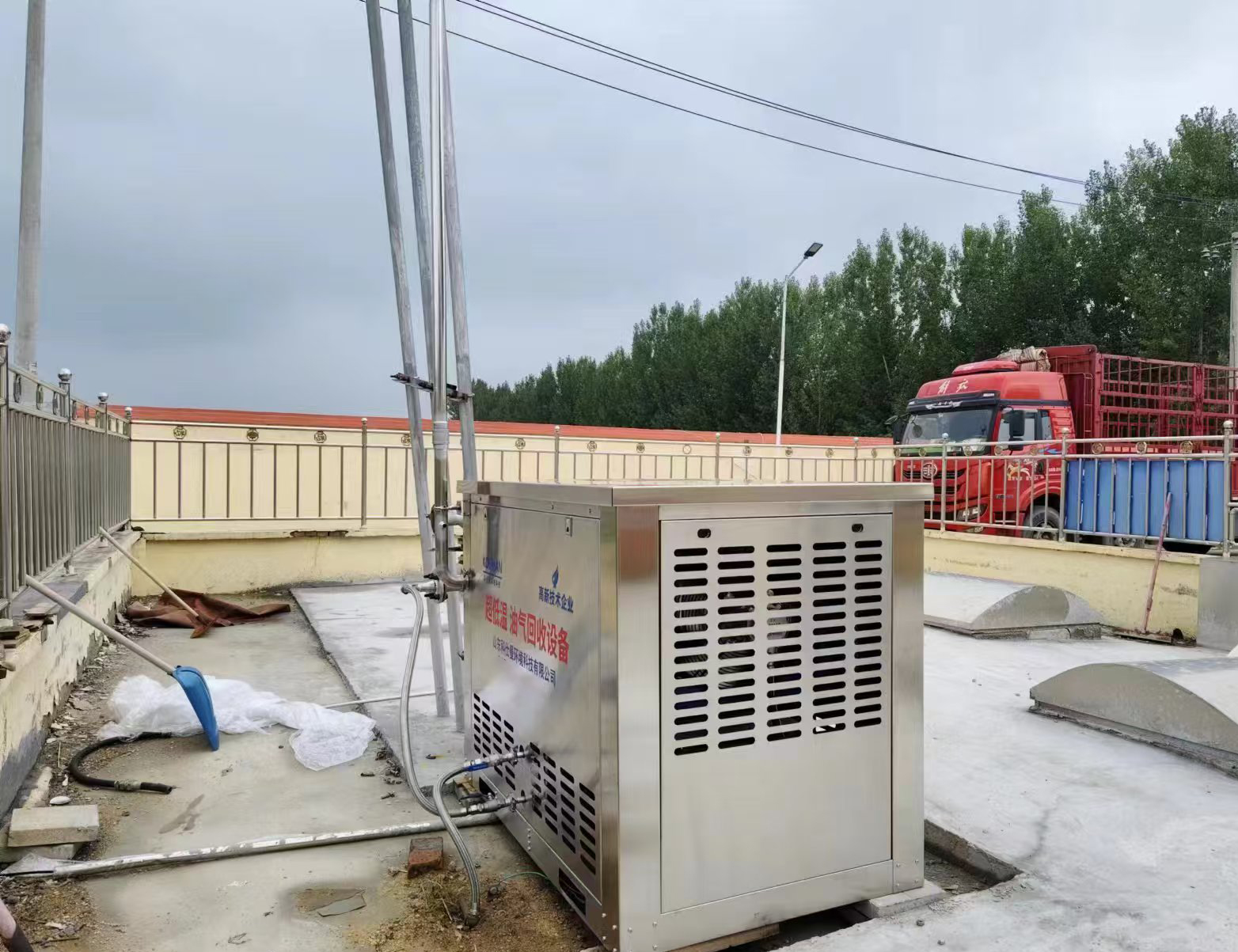
加油站三次油气回收设备,又称油气排放处理装置,是加油站油气回收系统的末端处理环节,主要用于对加油站地下储油罐内呼出的油气进行深度处理。加油站油气回收共分为三个阶段:一次油气回收发生在卸油过程中,通过压力平衡原理将挥发的油气收集到油罐车中运回储油库处理;二次油气回收发生在加油过程中,采用真空辅助式设备将加油时挥发的油气通过地下管线回收到地下储罐内;三次油气回收则是在油品储存过程中,对储油罐内因温度变化、压力升高而逸散的油气进行处理。
The tertiary oil and gas recovery equipment at gas stations, also known as the oil and gas emission treatment device, is the final processing link of the gas recovery system at gas stations. It is mainly used for deep processing of the oil and gas exhaled from underground storage tanks at gas stations. Gas station oil and gas recovery is divided into three stages: the first stage of oil and gas recovery occurs during the unloading process, and the evaporated oil and gas are collected in the oil tank truck and transported back to the storage tank for treatment through the principle of pressure balance; Secondary oil and gas recovery occurs during the refueling process, using vacuum assisted equipment to recover the evaporated oil and gas through underground pipelines into underground storage tanks; Triple oil and gas recovery refers to the treatment of oil and gas released from storage tanks due to temperature changes and pressure increases during the oil storage process.
三次油气回收系统需建立在已完成二次油气回收系统改造的基础上。由于二次回收过程中回收到地下罐的油气体积常常比出油量大(气液比大于1),加上罐内空间、温度、压力变化等因素导致罐压上升,此时油气需要通过处理装置进行净化后才能排放。三次油气回收设备的本质是对储油罐“呼吸损耗”进行末端深度净化。
The tertiary oil and gas recovery system needs to be built on the basis of the completed renovation of the secondary oil and gas recovery system. Due to the fact that the volume of oil and gas recovered in the underground tank during the secondary recycling process is often larger than the oil output (gas-liquid ratio greater than 1), coupled with factors such as changes in tank space, temperature, and pressure, the tank pressure rises. At this time, the oil and gas need to be purified by a treatment device before being discharged. The essence of the tertiary oil and gas recovery equipment is to deeply purify the "breathing loss" of the oil storage tank at the end.
二、工作原理与系统组成
2、 Working principle and system composition
三次油气回收设备的基本工作原理为:储油罐内油气压力达到设定的启动条件时(一般设定为+150Pa),设备自动启动运行。系统通过压力监测,将油罐内的油气引入处理装置,经过多级工艺处理,将油气中的烃类组分转化为液态油品回到集液罐或储油罐中,同时将净化后的空气达标排放。
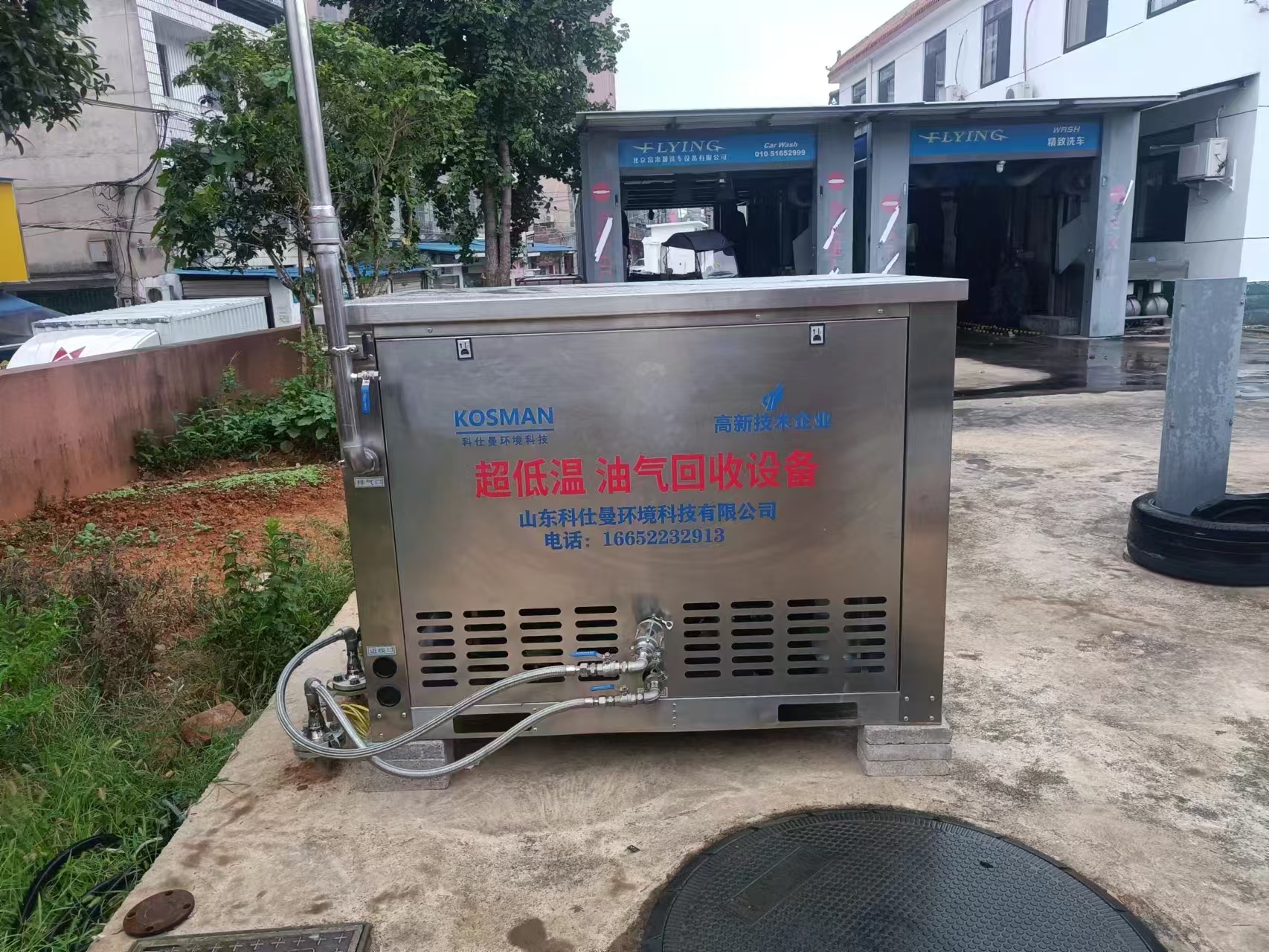
The basic working principle of the three-stage oil and gas recovery equipment is that when the oil and gas pressure in the storage tank reaches the set starting condition (usually set at+150Pa), the equipment will automatically start and operate. The system introduces the oil and gas in the oil tank into the processing device through pressure monitoring. After multi-stage process treatment, the hydrocarbon components in the oil and gas are converted into liquid oil and returned to the collection tank or storage tank. At the same time, the purified air is discharged in compliance with the standard.
一个完整的三次油气回收系统通常包含以下核心部分:压力监测与控制系统负责实时监测罐内压力并触发设备启停;油气处理单元是系统的核心,采用吸附、冷凝、膜分离等工艺或其组合对油气进行净化;液态油回收单元将冷凝或分离出的液态油品返回储罐;排放与监测系统确保尾气达标排放,并实时记录运行数据。
A complete tertiary oil and gas recovery system typically includes the following core components: a pressure monitoring and control system responsible for real-time monitoring of tank pressure and triggering equipment start stop; The oil and gas processing unit is the core of the system, which uses processes such as adsorption, condensation, membrane separation, or a combination thereof to purify oil and gas; The liquid oil recovery unit returns the condensed or separated liquid oil products to the storage tank; The emission and monitoring system ensures that the exhaust emissions meet the standard and records operational data in real-time.
三、主要技术工艺
3、 Main technical processes
目前加油站三次油气回收设备主要采用以下几种技术路线:
At present, the three oil and gas recovery equipment at gas stations mainly adopts the following technical routes:
冷凝法是通过逐级降温使油气中的烃类组分液化从而实现分离。冷凝法优势在于可直接回收液态油品、无耗材更换成本、系统稳定性强。吸附法利用活性炭等吸附剂对油气中烃类组分进行吸附净化,吸附剂饱和后需进行再生。膜分离法是在压力驱动下,借助气体各组分在高分子膜表面的吸附能力以及在膜内渗透速率的差异进行分离。
The condensation method separates hydrocarbon components in oil and gas by gradually cooling them down to liquefy them. The advantage of condensation method lies in its ability to directly recover liquid oil products, no cost of consumable replacement, and strong system stability. The adsorption method uses activated carbon and other adsorbents to adsorb and purify hydrocarbon components in oil and gas. After the adsorbent is saturated, it needs to be regenerated. Membrane separation method is a separation process driven by pressure, utilizing the adsorption capacity of gas components on the surface of polymer membranes and the differences in permeation rates within the membrane.
在实际应用中,单一工艺往往难以同时满足高回收率和低运行成本的要求,因此组合工艺已成为主流选择。目前最成熟的技术路线是冷凝+吸附组合工艺——先通过冷凝将大部分油气液化回收,剩余微量油气再经吸附罐深度吸附净化。此外还有压缩冷凝+膜分离等工艺路线。
In practical applications, a single process often fails to meet the requirements of high recovery rate and low operating costs simultaneously, so combination processes have become the mainstream choice. The most mature technology route at present is the combination of condensation and adsorption process - first liquefying and recovering most of the oil and gas through condensation, and then deeply adsorbing and purifying the remaining trace oil and gas through adsorption tanks. In addition, there are also process routes such as compression condensation and membrane separation.
本文由超低温油气回设备友情奉献.更多有关的知识请点击:http://www.kosman2018.com真诚的态度.为您提供为全面的服务.更多有关的知识我们将会陆续向大家奉献.敬请期待.
This article is a friendly contribution from ultra-low temperature oil and gas return equipment For more information, please click: http://www.kosman2018.com Sincere attitude To provide you with comprehensive services We will gradually contribute more relevant knowledge to everyone Coming soon.