侯恩党13693683012
 侯恩党13693683012
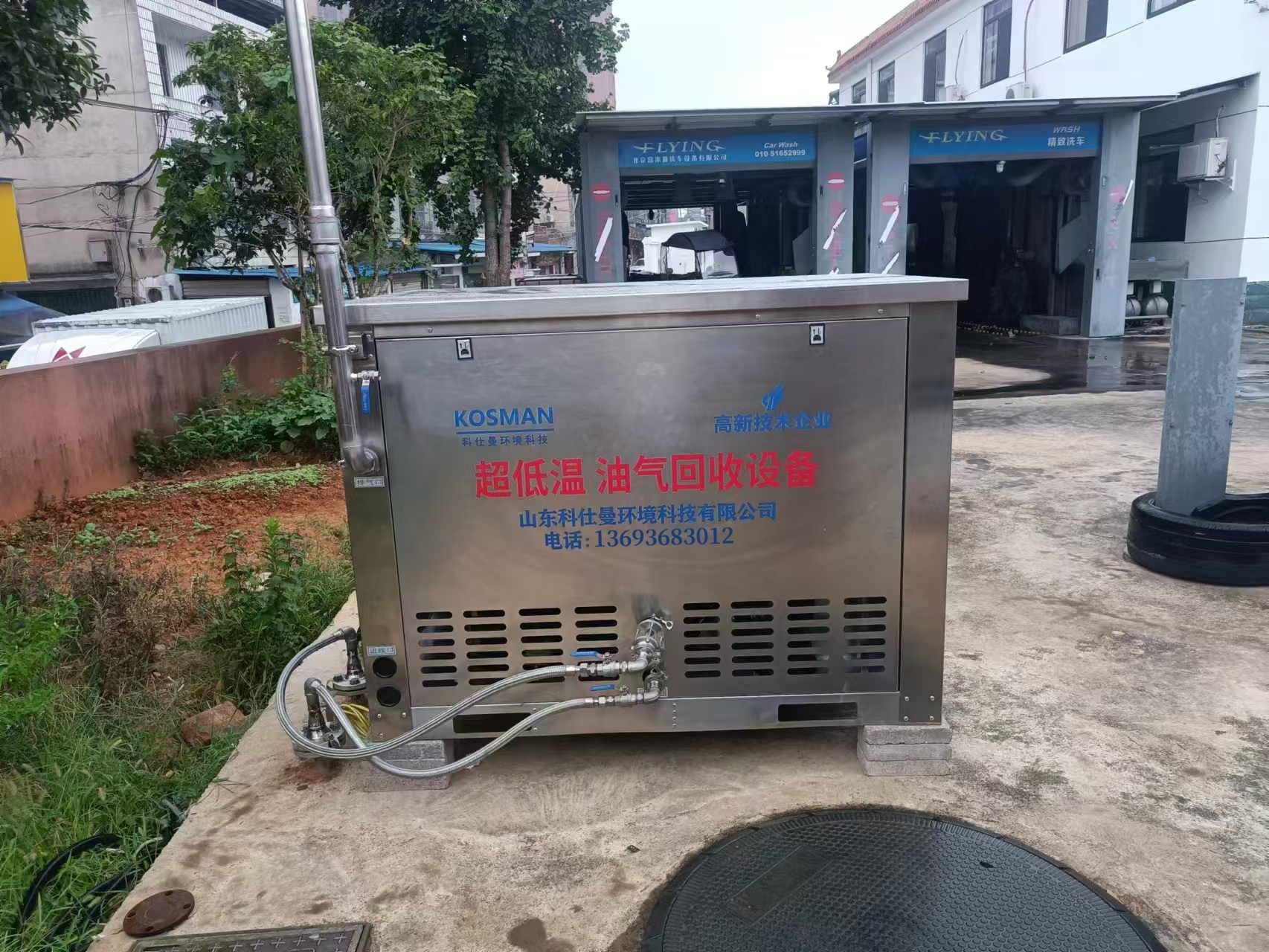
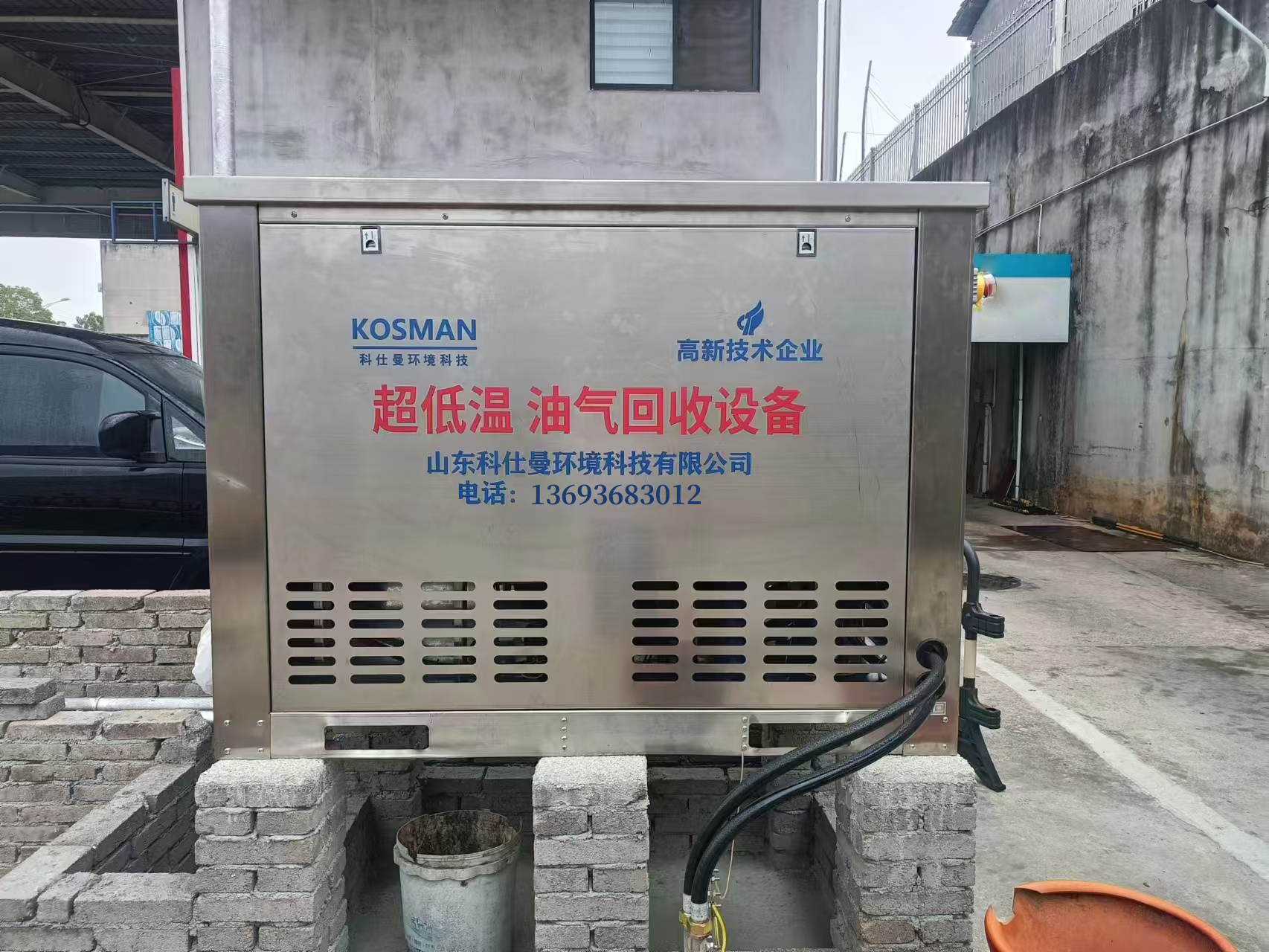
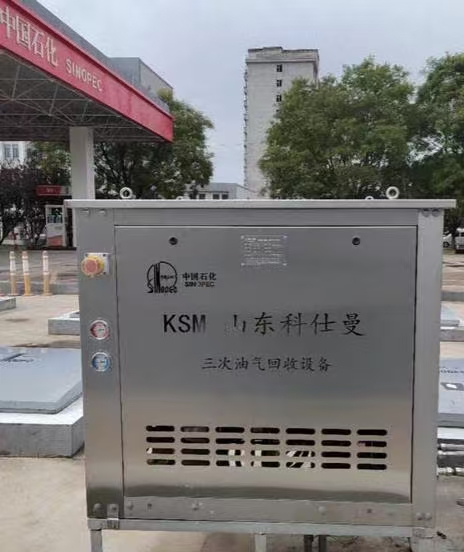
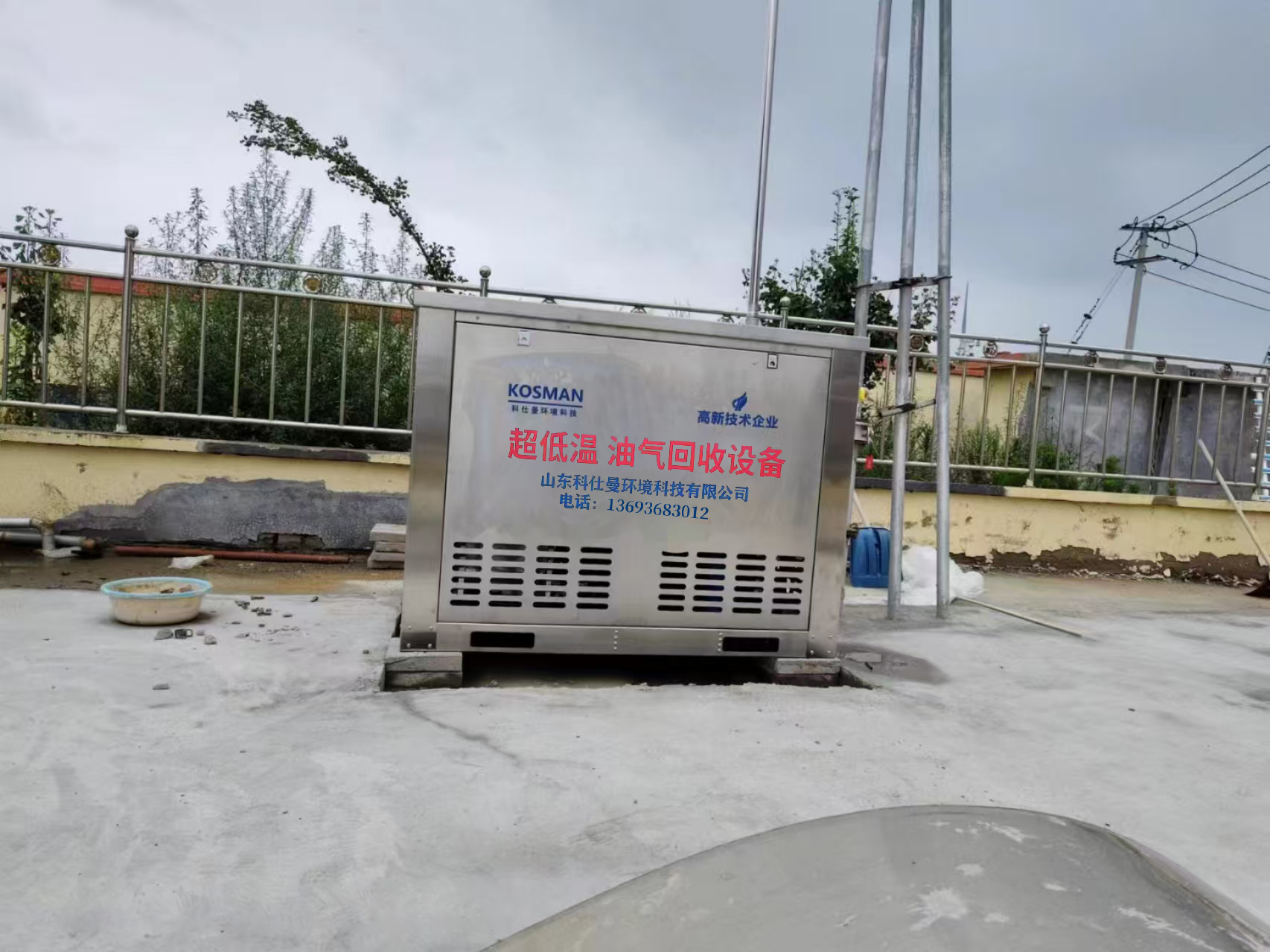
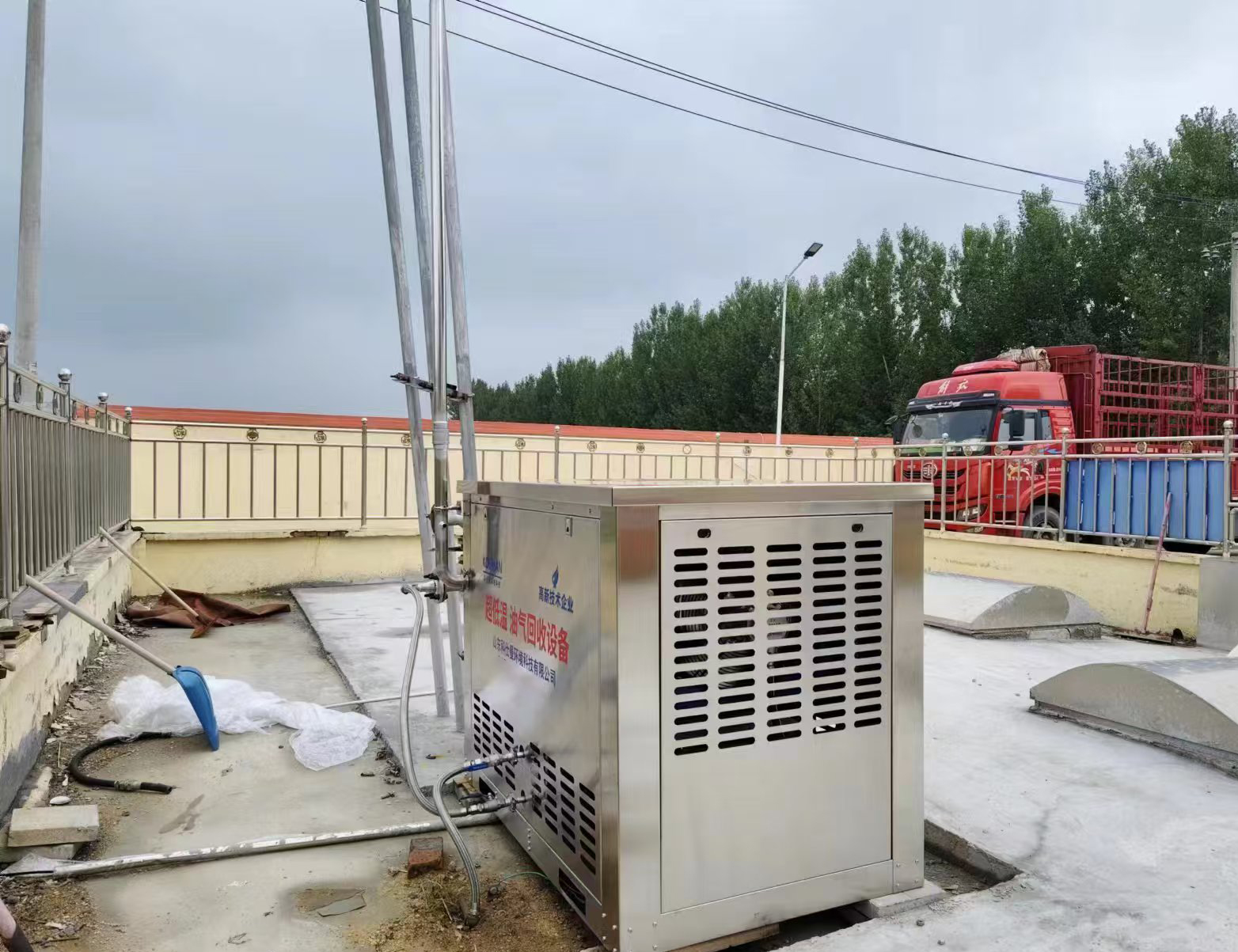
走进今天的加油站,你或许再也闻不到记忆中那股刺鼻的汽油味。这背后,除了油枪改造和管路密封升级,一个关键角色功不可没——那就是三次油气回收设备。如果说一次回收解决了卸油过程中的油气逸散,二次回收管住了加油环节的“跑冒滴漏”,那么三次回收就是为整个加油站系统的呼吸装上了一道净化阀门。
Walking into today's gas station, you may never hear the pungent smell of gasoline from your memory again. Behind this, in addition to the oil gun renovation and pipeline sealing upgrade, a key role plays an indispensable role - that is, the tertiary oil and gas recovery equipment. If one recycling solves the problem of oil and gas leakage during the unloading process, and the second recycling controls the "leakage" during the refueling process, then the third recycling adds a purification valve to the breathing system of the entire gas station.
一、什么是三次油气回收?
1、 What is tertiary oil and gas recovery?
加油站油气回收是一个完整的闭环系统。一次回收针对油罐车卸油:通过密闭管路,将加油站油罐中因液位上升而排出的油气回收到油罐车内,带回油库统一处理。二次回收则发生在给汽车加油时:加油枪配备真空泵,将车辆油箱中逸出的油气抽回加油站的埋地油罐中。即便有了这两道防线,埋地油罐在非卸油、非加油时段,仍会因昼夜温差、气压变化而“呼吸”——罐内油气膨胀或蒸发,压力升高时便自动向大气排放。三次油气回收设备正是为了处理这部分“呼吸排放”而生:当罐内压力达到启动阈值,设备自动启动,将挥发的油气转化为液态汽油回流到储油罐中,经净化的空气才排入大气。
Gas station oil and gas recovery is a complete closed-loop system. One time recycling for unloading oil from oil tank trucks: Through a closed pipeline, the oil and gas discharged from the gas station's oil tank due to the rising liquid level are recovered into the oil tank truck and brought back to the oil depot for unified treatment. Secondary recycling occurs when refueling a car: the refueling gun is equipped with a vacuum pump to pump the oil and gas escaping from the vehicle's fuel tank back into the buried fuel tank at the gas station. Even with these two lines of defense, buried oil tanks will still "breathe" due to temperature differences and pressure changes between day and night during non unloading and non refueling periods - the oil and gas inside the tank will expand or evaporate, and when the pressure rises, it will automatically discharge into the atmosphere. The three-stage oil and gas recovery equipment is designed to deal with this part of "breathing emissions": when the pressure inside the tank reaches the start-up threshold, the equipment automatically starts, converting the volatile oil and gas into liquid gasoline and returning it to the storage tank. The purified air is then discharged into the atmosphere.
二、使用范围:从政策驱动到广泛铺开
2、 Scope of use: From policy driven to widespread deployment
三次油气回收设备的核心应用场景集中在加油站终端,尤其是年销售汽油量较大的站点。依据《加油站大气污染物排放标准》(GB20952),储油库及年销售量≥5000吨的加油站需完成装置改造。而根据最新政策要求,年销售汽油量2000吨以上的加油站也需在2027年前完成安装。以成都市为例,截至2022年10月,该市已建成339座加油站的三次油气回收装置;南昌东湖区塘山加油站更成为辖区内首个完成该改造的绿色示范站。可以说,在城市建成区、环境敏感区域以及大型加油站集中区,三次油气回收设备正在从“推荐选项”变成“标配设施”。
The core application scenarios of the tertiary oil and gas recovery equipment are concentrated in gas station terminals, especially in stations with large annual gasoline sales. According to the "Emission Standards for Air Pollutants from Gas Stations" (GB20952), oil storage tanks and gas stations with an annual sales volume of ≥ 5000 tons need to complete equipment renovation. According to the latest policy requirements, gas stations with an annual sales volume of over 2000 tons of gasoline must also be installed before 2027. Taking Chengdu as an example, as of October 2022, 339 gas stations in the city have built three oil and gas recovery facilities; Tangshan Gas Station in Donghu District, Nanchang has become the first green demonstration station in the jurisdiction to complete the renovation. It can be said that in urban built-up areas, environmentally sensitive areas, and large gas station concentration areas, tertiary oil and gas recovery equipment is shifting from a "recommended option" to a "standard facility".
三、核心工艺与优势
3、 Core processes and advantages
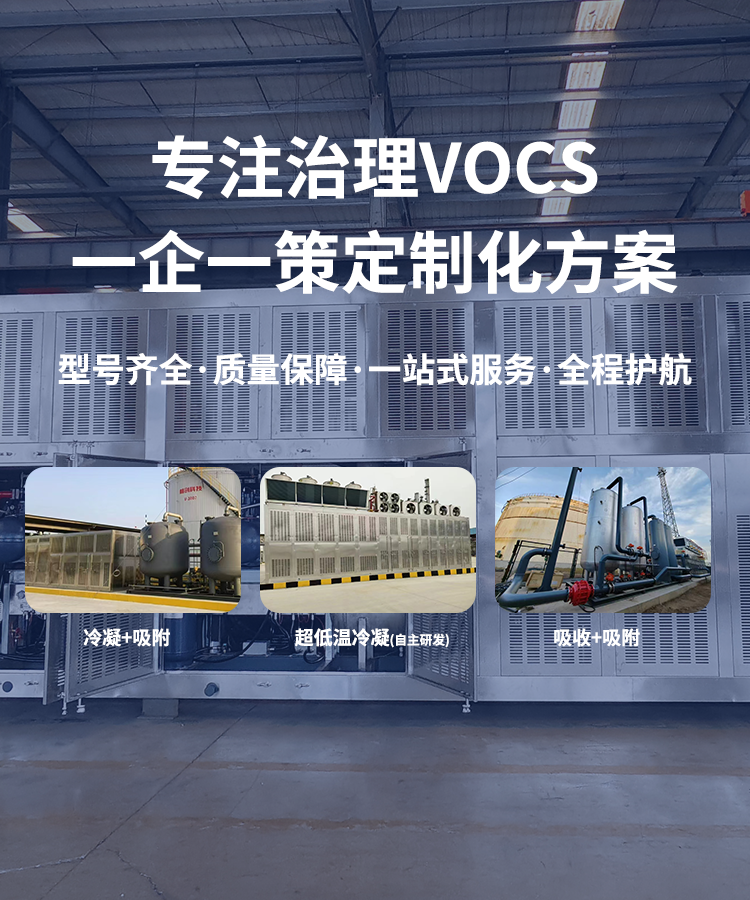
目前主流的三次油气回收设备主要采用冷凝法、吸附法、膜分离法或其组合工艺。其中,“冷凝+吸附”组合技术因运行稳定、尾气浓度控制优异而被广泛采用——预冷环节降低了吸附床的温度隐患,处理后尾气非甲烷总烃浓度可低至0.36-0.45mg/m?。而“冷凝+膜分离”组合工艺同样表现突出,以南昌塘山加油站为例,其采用该工艺后油气回收效率超过95%,不仅彻底解决了周边居民的异味投诉问题,回收的液态汽油还能直接降低运营成本。新一代智能设备更配备了4G物联网远程监控系统,可实时监测罐压、运行时长、回收量和碳减排数据,满足环保在线监测与数字化管理需求。
At present, the mainstream tertiary oil and gas recovery equipment mainly adopts condensation method, adsorption method, membrane separation method or their combined processes. Among them, the combination technology of "condensation+adsorption" is widely used due to its stable operation and excellent control of exhaust gas concentration - the pre cooling stage reduces the temperature hazard of the adsorption bed, and the concentration of non methane total hydrocarbons in the treated exhaust gas can be as low as 0.36-0.45mg/m?. The combination process of "condensation+membrane separation" also performs outstandingly. Taking Nanchang Tangshan gas station as an example, after adopting this process, the oil and gas recovery efficiency exceeds 95%. It not only completely solves the problem of odor complaints from surrounding residents, but also directly reduces operating costs for the recovered liquid gasoline. The new generation of smart devices is equipped with a 4G IoT remote monitoring system, which can monitor tank pressure, operating time, recycling volume, and carbon reduction data in real time, meeting the needs of online environmental monitoring and digital management.
三次油气回收的意义不止于环保合规。对加油站经营者而言,它是一项减排+节能双重收益的投资——消除安全隐患、改善周边环境、减少油品损耗,三者兼得。当公众对空气质量的要求越来越高,当政策标准日趋严格,这道“最后一道防线”已成为现代化加油站不可或缺的绿色基石。
The significance of three rounds of oil and gas recovery goes beyond environmental compliance. For gas station operators, it is an investment with dual benefits of emission reduction and energy conservation - eliminating safety hazards, improving the surrounding environment, and reducing fuel consumption, all at once. As the public's demand for air quality continues to rise and policy standards become increasingly stringent, this' last line of defense 'has become an indispensable green cornerstone for modern gas stations.