侯恩党13693683012
 侯恩党13693683012
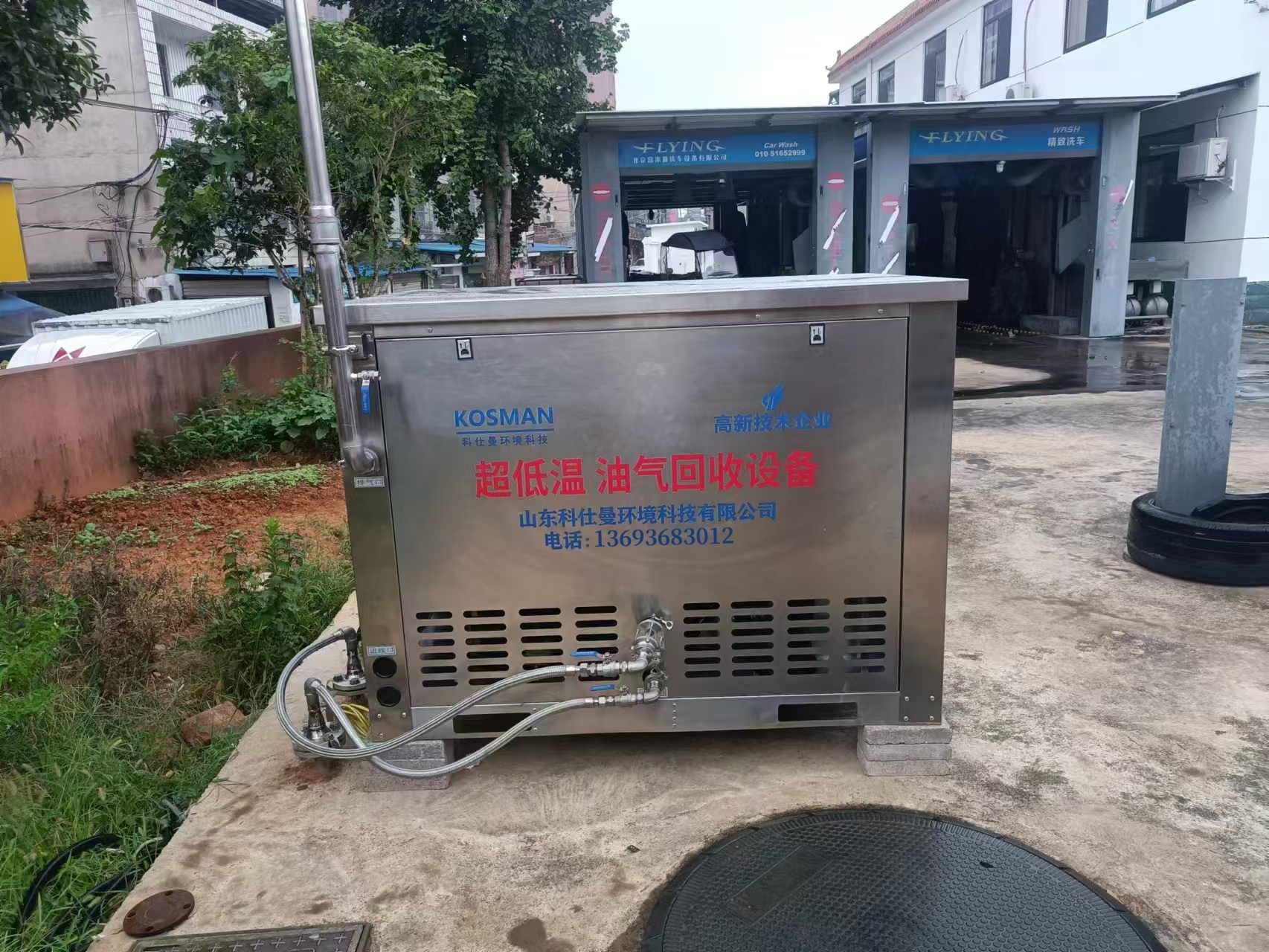
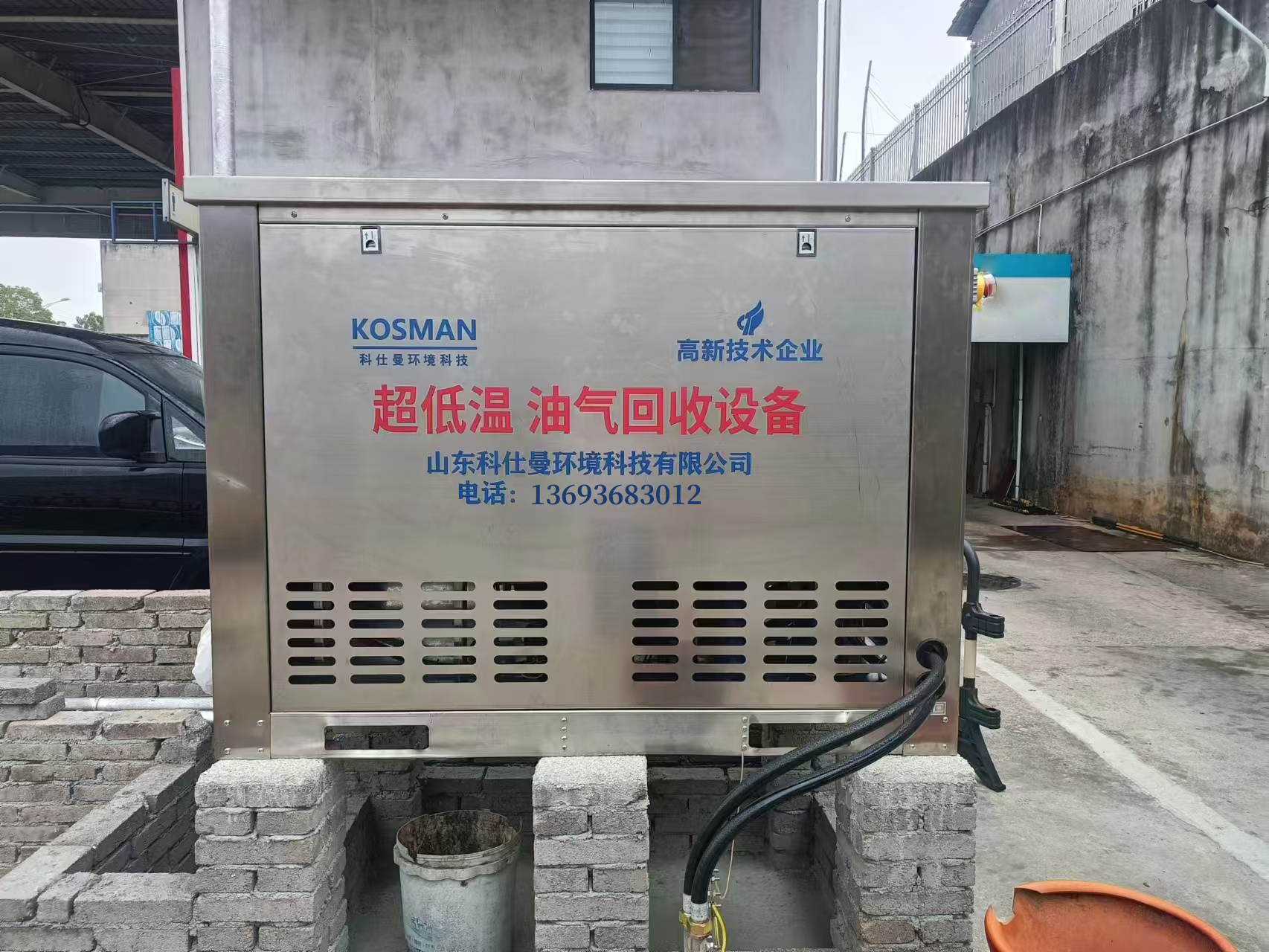
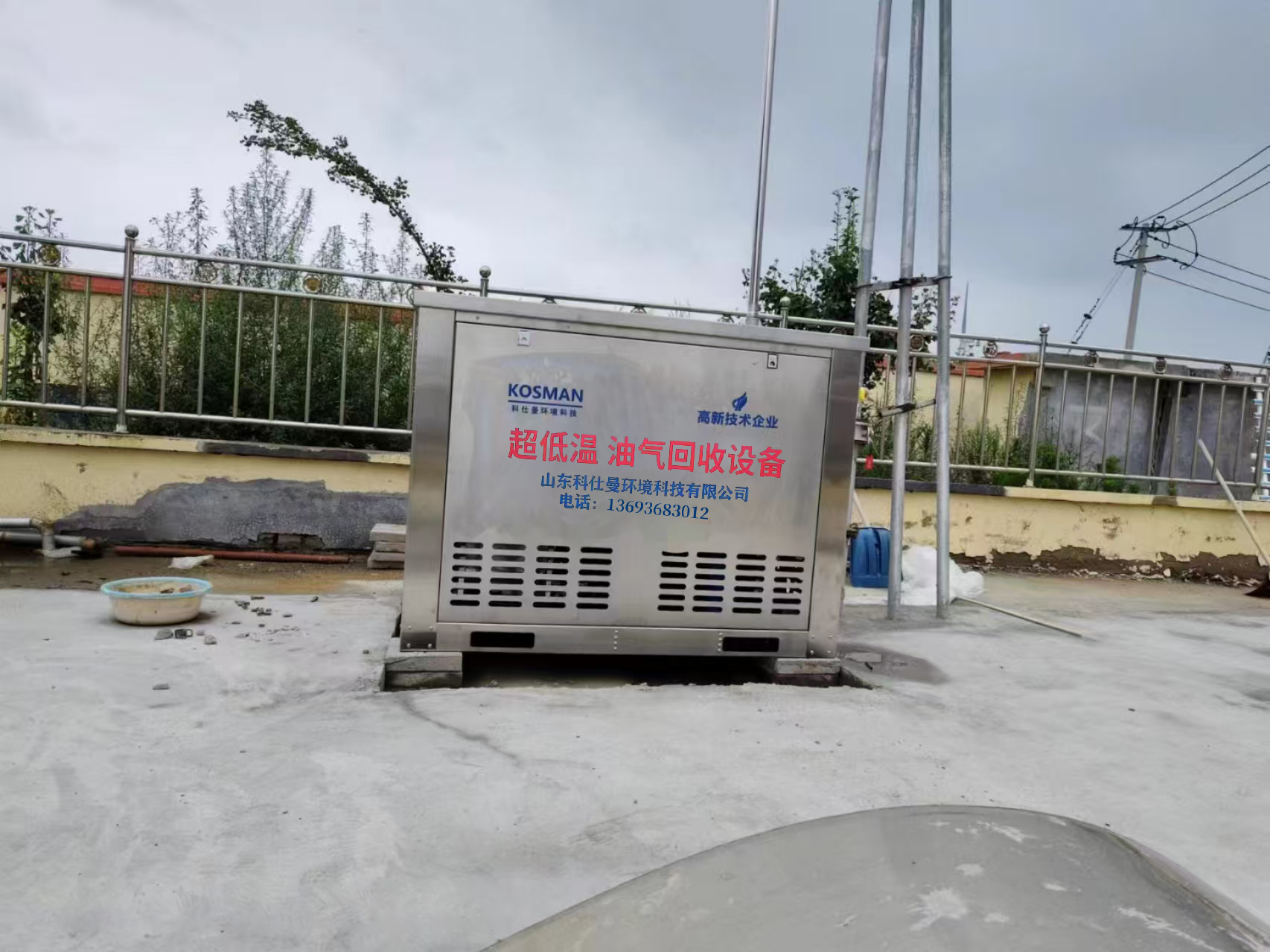
在加油站、储油库和化工厂的日常运转中,一个令人头疼的问题长期存在:挥发性有机物(VOCs)的逸散。这些油气不仅刺鼻难闻,更是形成PM2.5和臭氧的重要前体物。而油气回收设备,正是锁住这些“无形逃犯”的关键防线——它用技术手段将逸散的油气从气相中分离、捕获,并转化为可回用的液态油品,实现环保与经济效益的双赢。
In the daily operation of gas stations, oil storage tanks, and chemical plants, a headache has long existed: the release of volatile organic compounds (VOCs). These oils and gases are not only pungent and unpleasant, but also important precursors for the formation of PM2.5 and ozone. And the oil and gas recovery equipment is the key defense line to lock in these "invisible fugitives" - it uses technological means to separate and capture the leaked oil and gas from the gas phase, and convert them into reusable liquid oil products, achieving a win-win situation of environmental protection and economic benefits.
一、使用范围:覆盖油气储运全链条
1、 Scope of use: Covering the entire chain of oil and gas storage and transportation
油气回收设备的应用场景集中在油品储运销的全产业链上,从上游的炼厂到下游的加油站,均有其身影:
The application scenarios of oil and gas recovery equipment are concentrated in the entire industry chain of oil storage, transportation, and sales, from upstream refineries to downstream gas stations
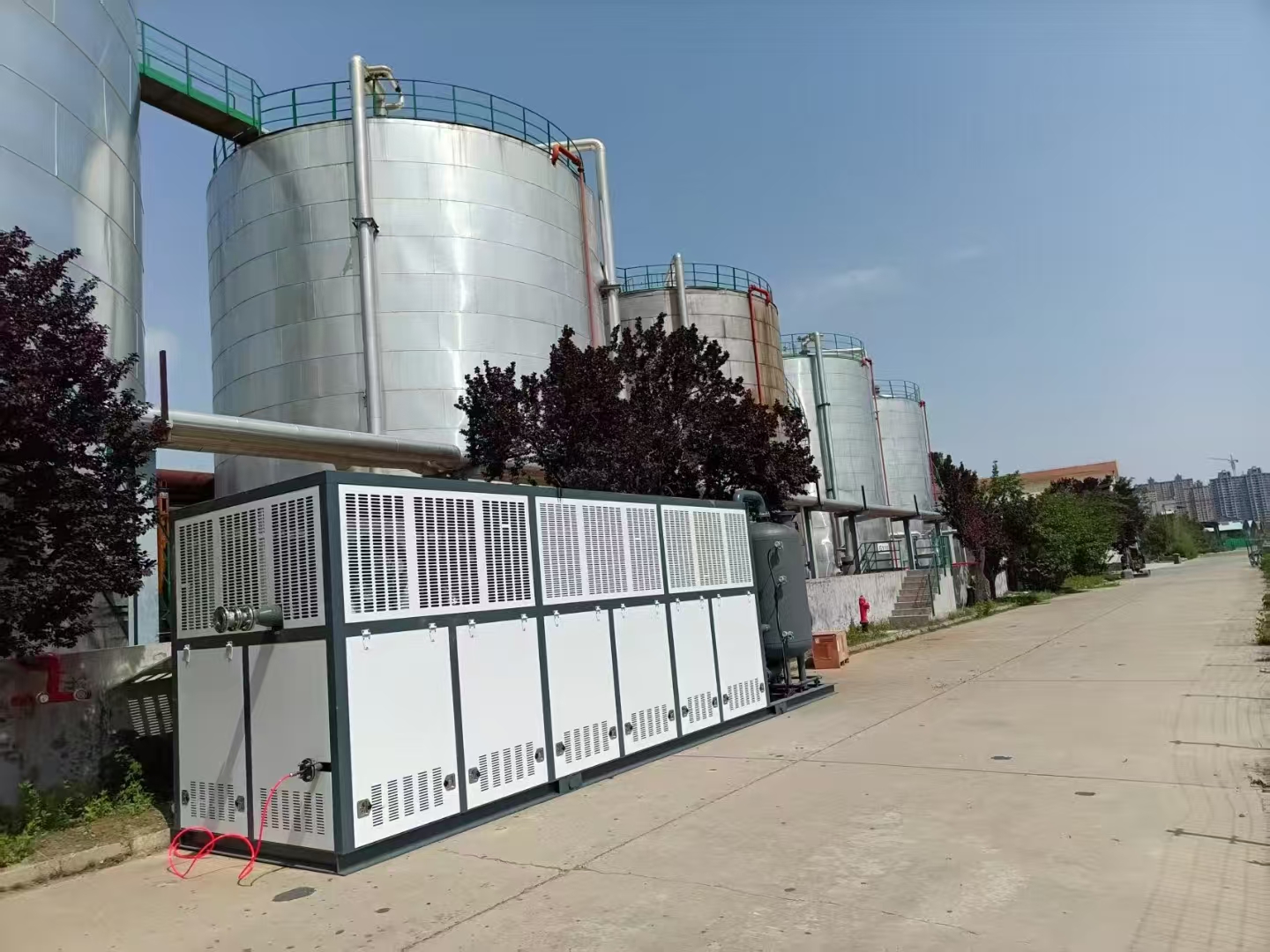
储油库与码头装卸区:这是油气排放最集中的环节之一。油库在收发油作业时,储罐液位变化导致大量油气被“挤”出。吸附法油气回收成套技术已在北京、河北、上海、浙江、广东等地的200座油库推广应用,形成了200m?/h至1200m?/h处理量的系列化产品,每个油库按年发油量10万吨计算,回收率可达1‰。
Oil storage tanks and dock loading and unloading areas: This is one of the most concentrated links for oil and gas emissions. During the oil storage operation, changes in the liquid level of the storage tanks cause a large amount of oil and gas to be squeezed out. The complete set of adsorption based oil and gas recovery technology has been promoted and applied in 200 oil depots in Beijing, Hebei, Shanghai, Zhejiang, Guangdong and other places, forming a series of products with processing capacities ranging from 200m?/h to 1200m?/h. Each oil depot has an annual oil output of 100000 tons, and the recovery rate can reach 1 ‰.
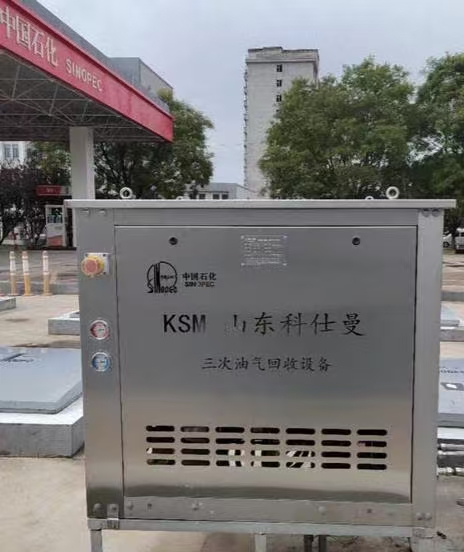
加油站:无论是卸油过程中的一次回收,还是加油环节的二次回收,乃至应对储罐“呼吸”排放的三次回收,各类油气回收装置协同构筑了完整的防线。
Gas station: Whether it is the primary recovery during the unloading process, the secondary recovery during the refueling process, or even the tertiary recovery to deal with the "breathing" emissions of storage tanks, various oil and gas recovery devices work together to build a complete defense line.
化工行业:对苯、甲苯、二甲苯等易挥发有机溶剂储罐及装卸过程的废气进行治理。
Chemical industry: Treatment of waste gas from storage tanks and loading and unloading processes of volatile organic solvents such as benzene, toluene, and xylene.
天然气田及处理厂:对井口气、凝析油等挥发性气体的回收处理。
Natural gas fields and processing plants: recovery and treatment of volatile gases such as wellbore gas and condensate oil.
二、核心技术与优势
2、 Core Technologies and Advantages
当前主流的油气回收技术路线各具特色,根据不同工况灵活组合:
The current mainstream oil and gas recovery technology routes have their own characteristics, and can be flexibly combined according to different working conditions:
吸附法是应用最广泛的工艺之一。它利用活性炭等吸附剂对烃类分子的选择性吸附能力,将油气中的有机物富集在吸附床层中,吸附饱和后通过真空解吸再生,解吸出的高浓度油气再经吸收塔回收为液态油品。该技术的核心优势在于:排放指标低,处理后尾气浓度可稳定达标;能耗与维护成本低,采用干式真空泵分段变频再生技术,运行费用可控;且操作简单、安全性高,已形成从200m?/h到1200m?/h的系列化成熟产品。
Adsorption method is one of the most widely used processes. It utilizes the selective adsorption ability of adsorbents such as activated carbon to adsorb hydrocarbon molecules, enriching organic matter in oil and gas in the adsorption bed. After adsorption saturation, it is regenerated through vacuum desorption, and the high concentration oil and gas desorbed is recovered into liquid oil products through an absorption tower. The core advantage of this technology lies in its low emission standards and stable compliance with exhaust concentration standards after treatment; Low energy consumption and maintenance costs, using segmented variable frequency regeneration technology for dry vacuum pumps, with controllable operating costs; And with simple operation and high safety, it has formed a series of mature products ranging from 200m?/h to 1200m?/h.
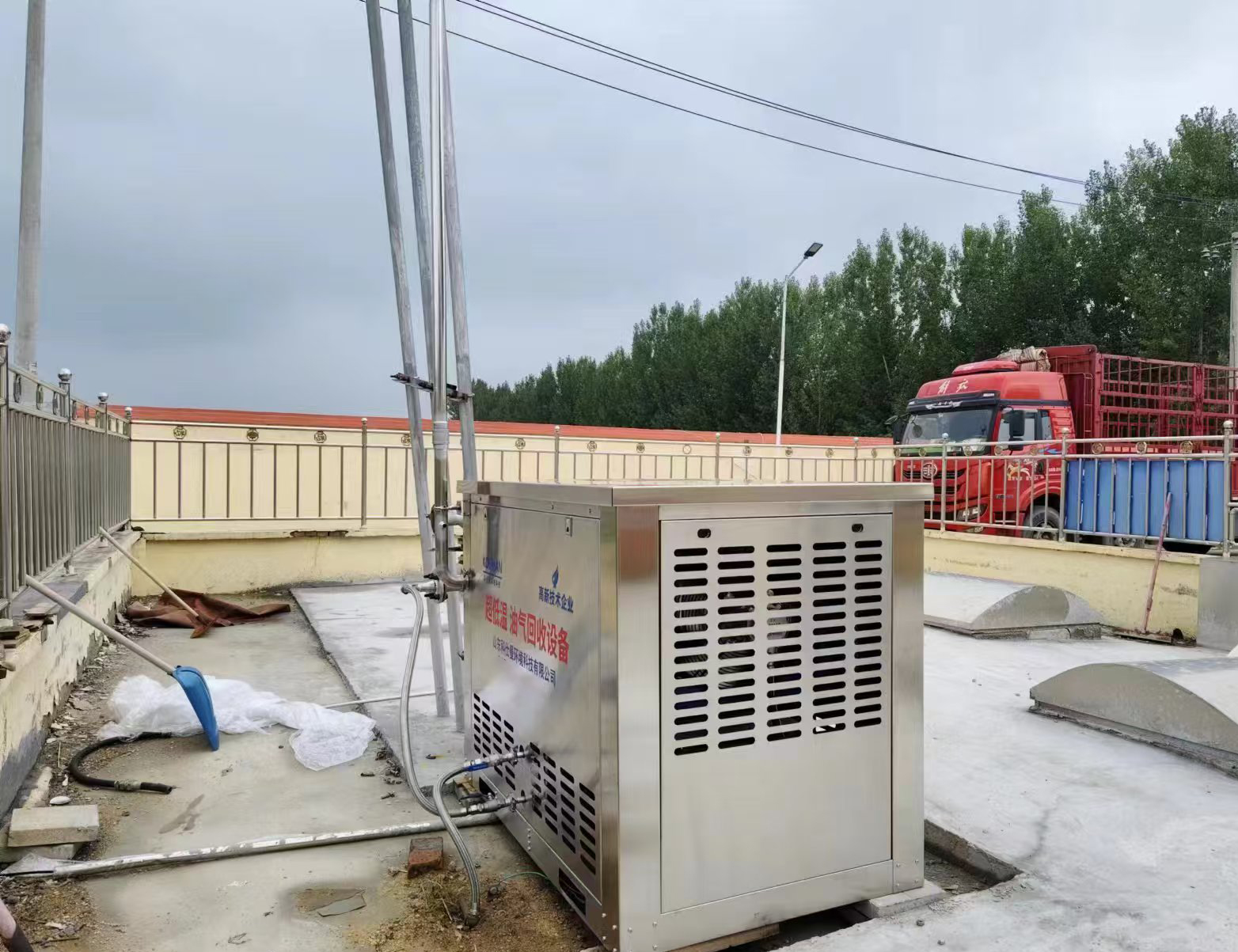
冷凝法则通过制冷系统将油气逐级冷却至-25℃至-110℃,使不同沸点的烃类组分依次液化回收。其最大特点是效果直观——可直接得到液态油品,用计量表实时显示回收量;处理量弹性大,可在0-100%范围内操作;模块化撬装设计使占地面积小、外围配套简单,建设过程中无需停产。该技术广泛适用于油库、加油站、化工装置等场合。
The condensation method uses a refrigeration system to gradually cool oil and gas to -25 ℃ to -110 ℃, allowing different boiling point hydrocarbon components to liquefy and recover in sequence. Its biggest feature is its intuitive effect - it can directly obtain liquid oil products and display the recovery amount in real time with a meter; High flexibility in processing capacity, capable of operating within the range of 0-100%; The modular modular modular design allows for a small footprint, simple peripheral support, and no need to shut down during the construction process. This technology is widely applicable to oil depots, gas stations, chemical plants, and other occasions.
冷凝+吸附耦合法是近年来的技术创新方向。专利技术将预冷、冷凝、吸附、分离四个过程集成在同一设备内,在吸附的同时通过翅片管内的制冷剂冷凝降温,有效降低吸附床层温度,促进吸附反应进行。这种一体化设计可缩短工艺流程、减小设备体积40%、降低设备总成本,同时有效提升回收效率和效果。
The condensation+adsorption coupling method is a technological innovation direction in recent years. The patented technology integrates the four processes of pre cooling, condensation, adsorption, and separation into one device. During adsorption, the refrigerant inside the finned tube condenses and cools down, effectively reducing the temperature of the adsorption bed and promoting the adsorption reaction. This integrated design can shorten the process flow, reduce equipment volume by 40%, lower total equipment costs, and effectively improve recycling efficiency and effectiveness.
三、无法替代的价值
3、 Irreplaceable value
油气回收设备的意义远超环保合规本身。从宏观数据看,仅国内200座应用吸附法技术的油库,每年即可减少上亿立方米的油气排放,回收汽油量超过15000吨。对单个企业而言,回收的油品直接转化为销售收益,同时避免了环保罚款和周边居民投诉带来的隐性成本。当废气治理从“赔钱买卖”变成“有收益的投资”,油气回收设备便成为工业界主动拥抱的绿色选择——这也正是它持续迭代、不断普及的根本驱动力。
The significance of oil and gas recovery equipment goes far beyond environmental compliance itself. From a macro perspective, only 200 domestic oil depots using adsorption technology can reduce billions of cubic meters of oil and gas emissions annually, and recover over 15000 tons of gasoline. For individual enterprises, the recovered oil products are directly converted into sales revenue, while avoiding the implicit costs caused by environmental fines and complaints from surrounding residents. When exhaust gas treatment shifts from a "loss making business" to a "profitable investment", oil and gas recovery equipment becomes a green choice actively embraced by the industry - this is also the fundamental driving force for its continuous iteration and popularization.