侯恩党13693683012
 侯恩党13693683012
车间排出来的气,不都是“干净的气态VOCs”。涂料、树脂、胶黏剂、医药中间体这些工况里,废气经常是混着跑的:有真蒸气,有油雾小液滴,有半挥发黏性气溶胶,还有水汽和粉尘。很多人只盯总VOCs数值,忽略了一个关键——进RTO或CO之前,得先搞清楚污染物是“什么相态”。
The gas emitted from the workshop is not all 'clean gaseous VOCs'. In the working conditions of coatings, resins, adhesives, and pharmaceutical intermediates, exhaust gases often run in a mixed manner: there are real vapors, oil mist droplets, semi volatile viscous aerosols, as well as water vapor and dust. Many people only focus on the total VOCs value, ignoring a key point - before entering RTO or CO, it is necessary to first understand what phase the pollutant is in.

RTO和CO本质是氧化设备,不是油水分离器。真蒸气进炉,高温氧化成二氧化碳和水,没问题。可一旦把液态雾滴、高沸点焦油、树脂 aerosol 直接送进去,麻烦就来了:它们在管道降温段先凝在管壁,再被气流带进陶瓷蓄热体冷面,慢慢结成黏层。这层东西会兜住粉尘,越积越厚,压降往上走,换热效率往下掉,局部还会欠烧或超温。
RTO and CO are essentially oxidation equipment, not oil-water separators. Real steam enters the furnace and oxidizes into carbon dioxide and water at high temperatures, no problem. But once liquid droplets, high boiling tar, and resin aerosols are directly sent in, trouble arises: they first solidify on the pipe wall in the cooling section of the pipeline, and then are carried into the cold surface of the ceramic heat storage body by the airflow, slowly forming a sticky layer. This layer will trap dust, accumulate thicker and thicker, increase pressure drop, decrease heat exchange efficiency, and cause localized under burning or overheating.
所以前端冷凝预处理,逻辑不是“越冷越好”,而是主动控温、主动相分离:
So the logic of front-end condensation pretreatment is not "the colder the better", but active temperature control and active phase separation:
把高沸点可凝组分,在受控温度区间里提前冷凝成液,气液分离后回收或按危废处置;
Condensing high boiling point condensable components into liquid in a controlled temperature range, separating gas and liquid, and recovering or disposing of them as hazardous waste;
把水汽析出,降低入炉湿度,减少“带水入炉”对炉体和蓄热体的侵蚀;
Separate water vapor, reduce the humidity when entering the furnace, and minimize the erosion of the furnace body and heat storage body caused by "bringing water into the furnace";
把黏性 aerosol 从气态流里摘出来,避免陶瓷体变成被动过滤器;
Remove the viscous aerosol from the gaseous flow to prevent the ceramic body from becoming a passive filter;
浓度高的工序(蒸馏冷凝尾、釜顶呼吸气、真空泵排气),先冷凝把LEL压到安全线以下,再进氧化炉,防爆余量更稳。
For processes with high concentration (distillation condensation tail, kettle top breathing gas, vacuum pump exhaust), first condense to press LEL below the safety line, and then enter the oxidation furnace for more stable explosion-proof margin.
有个容易混的点:冷凝不是代替RTO/CO,是给它“减负”。可回收溶剂的工况,冷凝把值钱的先拿回来;剩下来低浓度、组分干净的尾气,交给RTO或CO烧,炉子寿命、燃气耗、排放波动都会好看很多。
There is an easily confused point: condensation is not a replacement for RTO/CO, it is to "reduce its burden". The working condition of recyclable solvents, condensing to retrieve valuable ones first; The remaining low concentration and clean exhaust gas can be burned by RTO or CO, which will greatly improve the furnace life, gas consumption, and emission fluctuations.
运维上也有几个暗线:
There are also several hidden lines in operation and maintenance:
冷凝后必须配气液分离和除雾,别让液滴随气流跑进炉;
After condensation, gas-liquid separation and defogging must be carried out to prevent liquid droplets from entering the furnace with the airflow;
管道要带坡度、设排液口,积液会重新挥发把浓度顶上去;
The pipeline should have a slope and a drainage outlet, and the accumulated liquid will evaporate again to increase the concentration;
露点要按最不利工况算,不是按平均气温,冬天室外管段尤其容易偷偷结露;
Dew point should be calculated based on the most unfavorable working conditions, not the average temperature. Outdoor pipe sections are particularly prone to secret condensation in winter;
含氯、含硅、易聚合组分,不能无脑深冷,得先评估副反应和材质腐蚀。
Chlorine containing, silicon containing, and easily polymerized components cannot be subjected to brainless cryogenic treatment, and side reactions and material corrosion must be evaluated first.
说白了,RTO/CO跑得稳不稳,一半功夫在“进炉前那一段”。把相态理顺了,炉子才不会被当成捕集器用。
To put it simply, RTO/CO runs steadily, with half of the effort focused on the 'pre furnace section'. By sorting out the phase, the furnace will not be used as a trap.
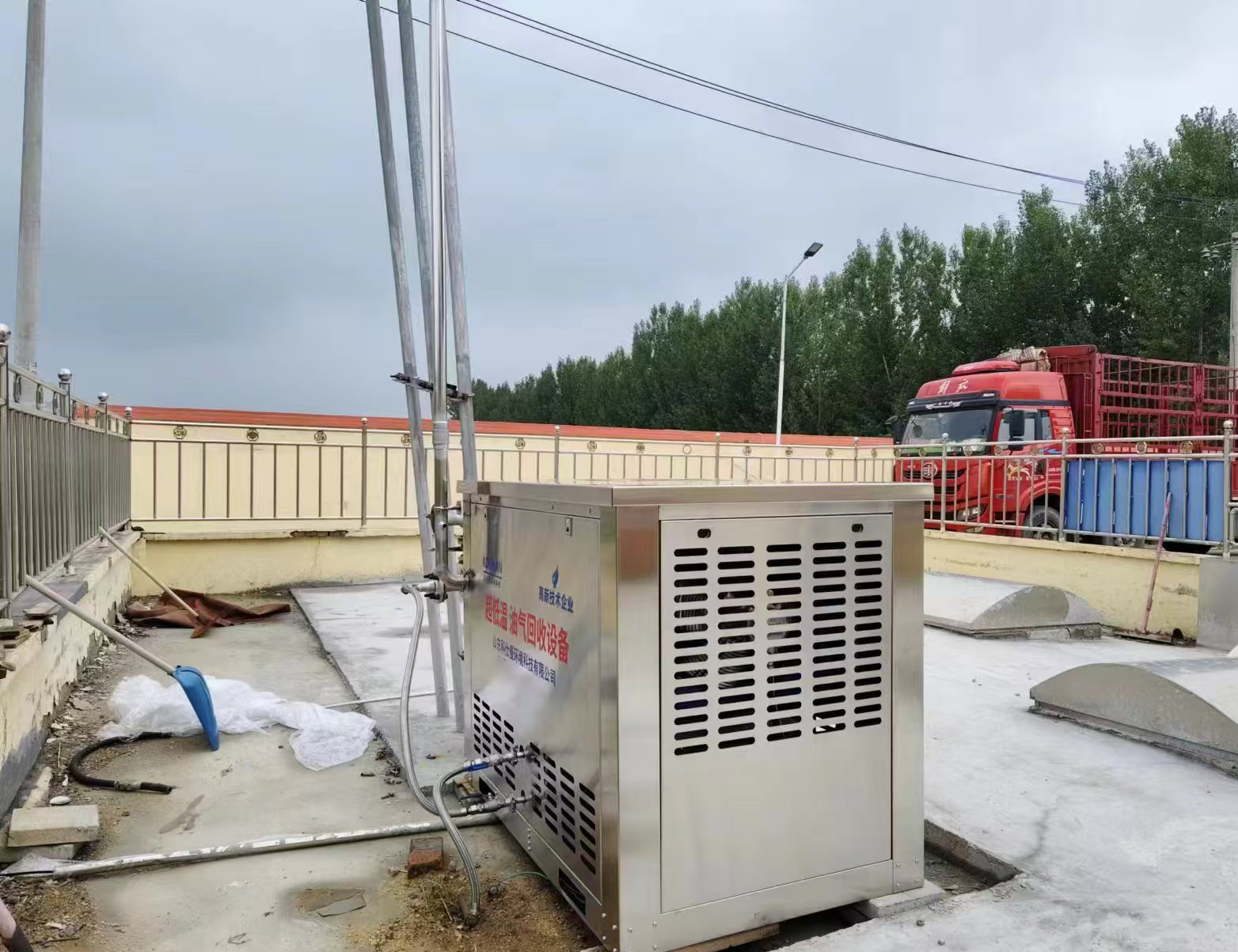
本文由RTO/CO冷凝预处理设备友情奉献。更多有关的知识请点击:http://www.kosman2018.com我们将会对您提出的疑问进行详细的解答,欢迎您登录网站留言.
This article is a friendly contribution from RTO/CO condensation pretreatment equipment. For more information, please click: http://www.kosman2018.com We will provide detailed answers to your questions. You are welcome to log in to our website and leave a message