侯恩党13693683012
 侯恩党13693683012
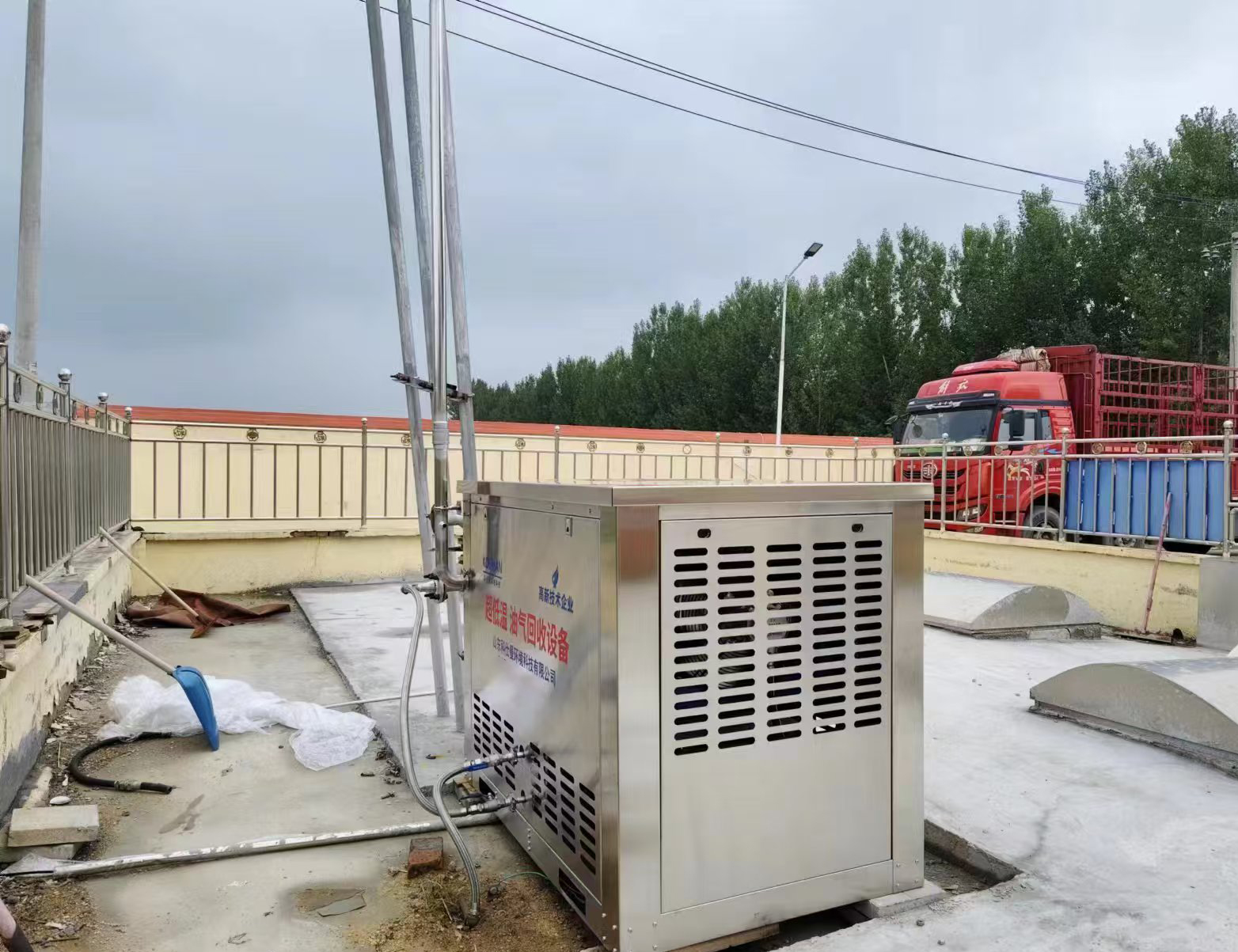
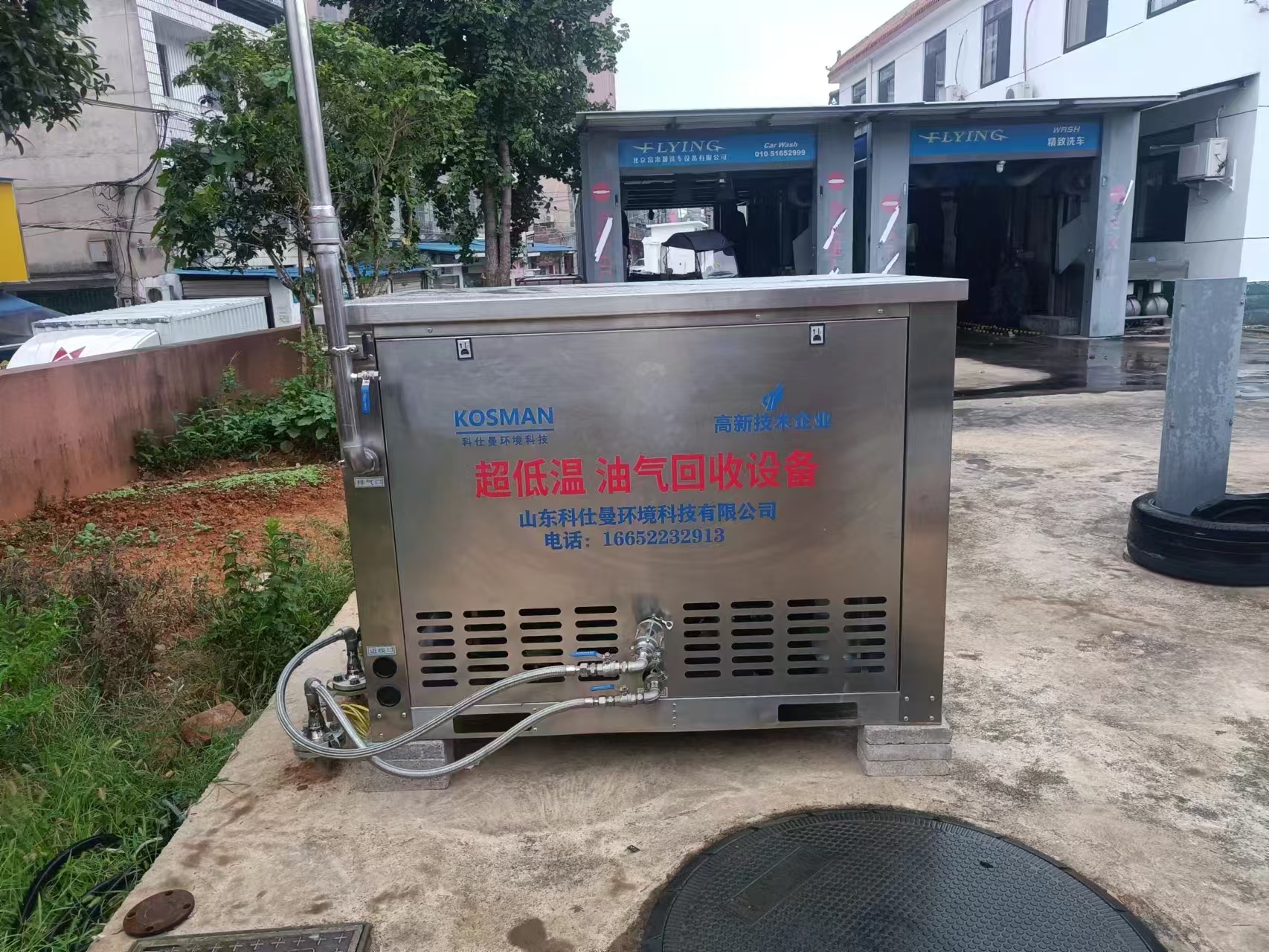
油气回收装置所采用的工艺有多种,不同回收装置可能采用的回收工艺就是不同的,随着技术的不断进步,现在的回收工艺也是越来越先进了,现在的低温冷凝工艺就比以产有的回收工艺更具优势, 回收的效率更高,下面我们就来了解下低温冷凝技术在油气回收装置中的应用。
There are various processes used in oil and gas recovery units, and different recovery units may adopt different recovery processes. With the continuous advancement of technology, the current recovery processes are becoming more and more advanced. The low-temperature condensation process is more advantageous than existing recovery processes, with higher recovery efficiency. Below, we will learn about the application of low-temperature condensation technology in oil and gas recovery units.
从原油加工最基本的方法“加热蒸馏”到油气处理的冷凝法“去热凝结”,都经过“受热气化—降温液化”的工序,冷凝法油气回收技术原理则是在成品油储运环节,重复着“气化—液化”的过程,使油蒸气发生相变,从气态回到液态,完成对油气的回收处理。所以,冷凝法处理油气的技术原理与原油加工的技术原理是一致的,对于油气的热性质、迁移特性来说,最适合采用冷凝法处理。
From the most basic method of crude oil processing, "heating distillation," to the condensation method of oil and gas processing, "de heating condensation," all go through the process of "heating gasification cooling liquefaction." The principle of condensation oil and gas recovery technology is to repeat the process of "gasification liquefaction" in the storage and transportation of finished oil products, causing the oil vapor to undergo phase change and return from the gas state to the liquid state, completing the recovery and treatment of oil and gas. Therefore, the technical principle of using condensation method to treat oil and gas is consistent with that of crude oil processing. For the thermal properties and migration characteristics of oil and gas, condensation method is the most suitable for treatment.
冷凝法工艺的特点是简明直接、不需二次工艺处理,回收的汽油不会混入其他杂质成分,馏分优于原汽油指标。吸附法、膜法等工艺的油气回收处理技术,采用喷淋吸收的二次工艺处理富集和提浓的油气,难免会影响回收汽油的馏分指标。表1为原汽油馏分与回收汽油馏分的比较(当地大气压:102.33kPa)。
The characteristics of the condensation process are simplicity, directness, and no need for secondary processing. The recovered gasoline will not mix with other impurities, and the distillate is better than the original gasoline index. The oil and gas recovery and treatment technologies such as adsorption and membrane methods, which use a secondary process of spray absorption to treat enriched and concentrated oil and gas, inevitably affect the distillate index of recovered gasoline. Table 1 compares the original gasoline fraction with the recovered gasoline fraction (local atmospheric pressure: 102.33kPa).
随着制冷技术革命性的进步,压缩机新型产品体积缩小、排量提高、能耗减少,新型制冷剂增加了单位质量制冷量,提高了制冷系统能效比,降低了冷凝法处理每立方米油气的配置功率指标。冷凝法处理油气的单位能耗为0.225~ 0.27kW·h/m3。特别要说明的是:因为制冷压缩机的实际运行功率只是配置功率的85%~90%,实际的工况能耗比表2中的数据还要低。
With the revolutionary progress of refrigeration technology, new compressor products have reduced volume, increased displacement, and reduced energy consumption. The new refrigerant has increased the cooling capacity per unit mass, improved the energy efficiency ratio of the refrigeration system, and reduced the configuration power index for condensing oil and gas treatment per cubic meter. The unit energy consumption of condensing method for treating oil and gas is 0.225-0.27kW · h/m3. It should be noted that the actual operating power of the refrigeration compressor is only 85% to 90% of the configured power, and the actual operating energy consumption is lower than the data in Table 2.