侯恩党13693683012
 侯恩党13693683012
很多工厂的 RTO、CO 运行一两年就出问题:蓄热陶瓷堵塞、切换阀卡死、催化剂中毒失活。大家第一反应是炉子质量不行,其实病根常在前端没做冷凝预处理。
Many factories experience problems with RTO and CO after one or two years of operation, such as clogged heat storage ceramics, stuck switching valves, and catalyst poisoning and deactivation. The first reaction of everyone is that the quality of the furnace is not good, but the root of the problem often lies in the lack of condensation pretreatment at the front end.

一、为什么 RTO/CO 不能直接吃“原废气”?
1、 Why RTO/CO cannot directly consume 'raw waste gas'
化工、涂料、医药、罐区尾气里常有高沸溶剂、油雾、水汽、粉尘。它们进炉后:高沸物在陶瓷体冷凝结焦,风阻飙升;水汽遇热胀冷缩加速陶瓷开裂;含氯/含硫组分悄悄毒化催化剂。炉子本身没坏,是被“脏进气”慢慢拖死的。
There are often high boiling solvents, oil mist, water vapor, and dust in the exhaust gases of chemical, coating, pharmaceutical, and tank areas. After they enter the furnace: high boiling materials condense and coke in the ceramic body, causing a surge in wind resistance; Water vapor undergoes thermal expansion and contraction, accelerating the cracking of ceramics; Chlorine/sulfur-containing components quietly poison catalysts. The stove itself is not broken, it was slowly dragged down by the "dirty air intake".
二、冷凝预处理在干什么?
2、 What is the purpose of condensation pretreatment
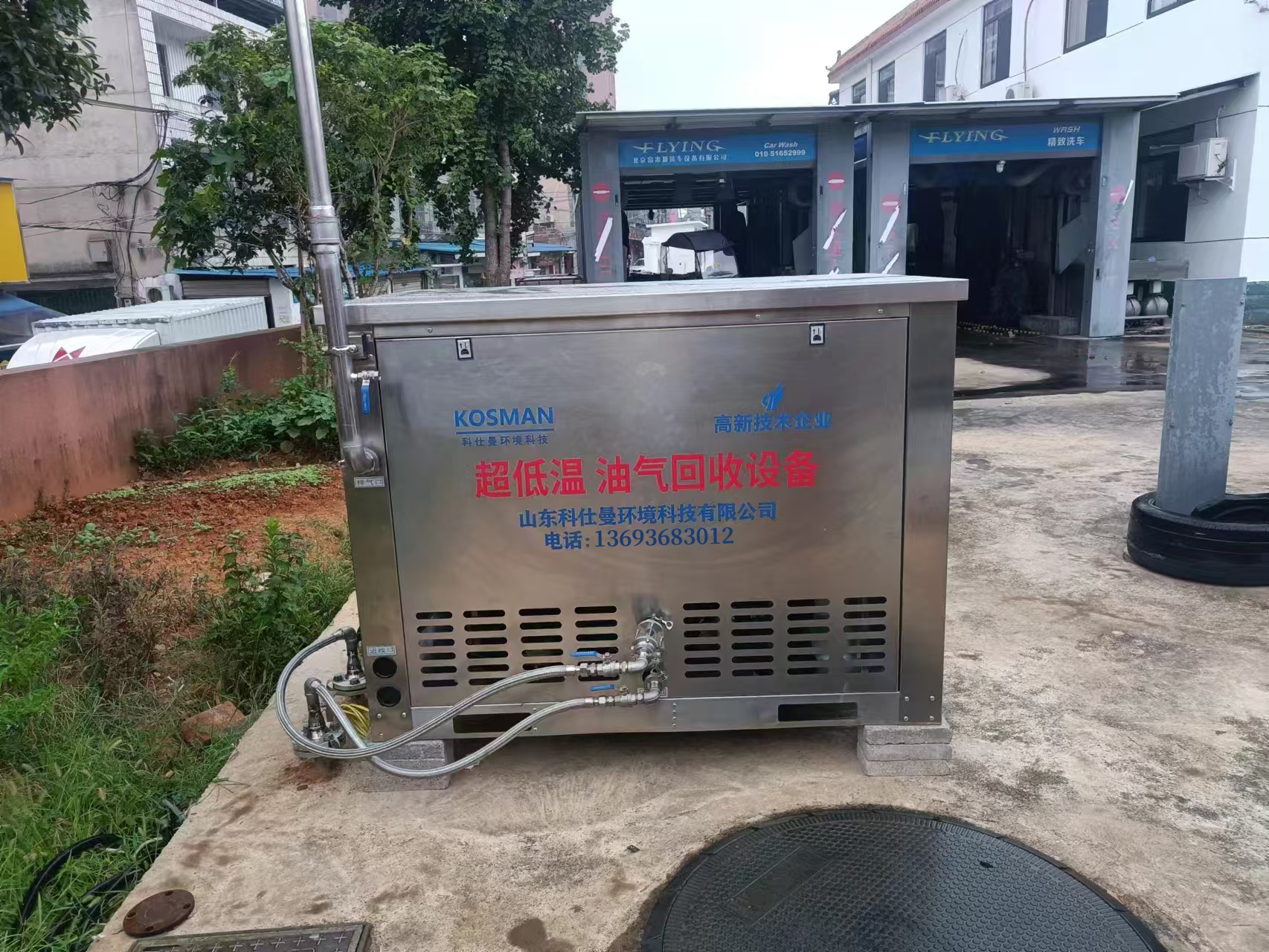
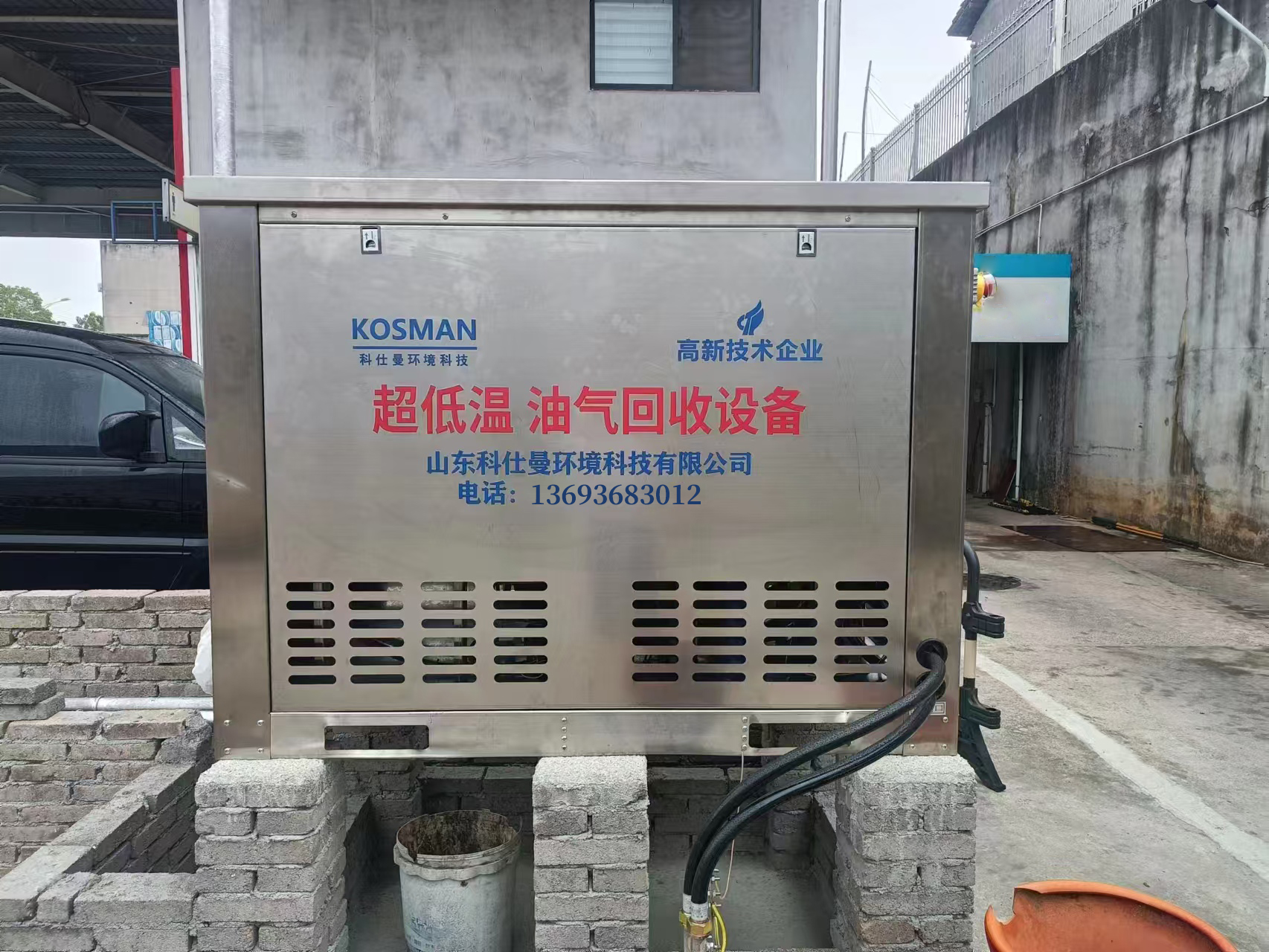
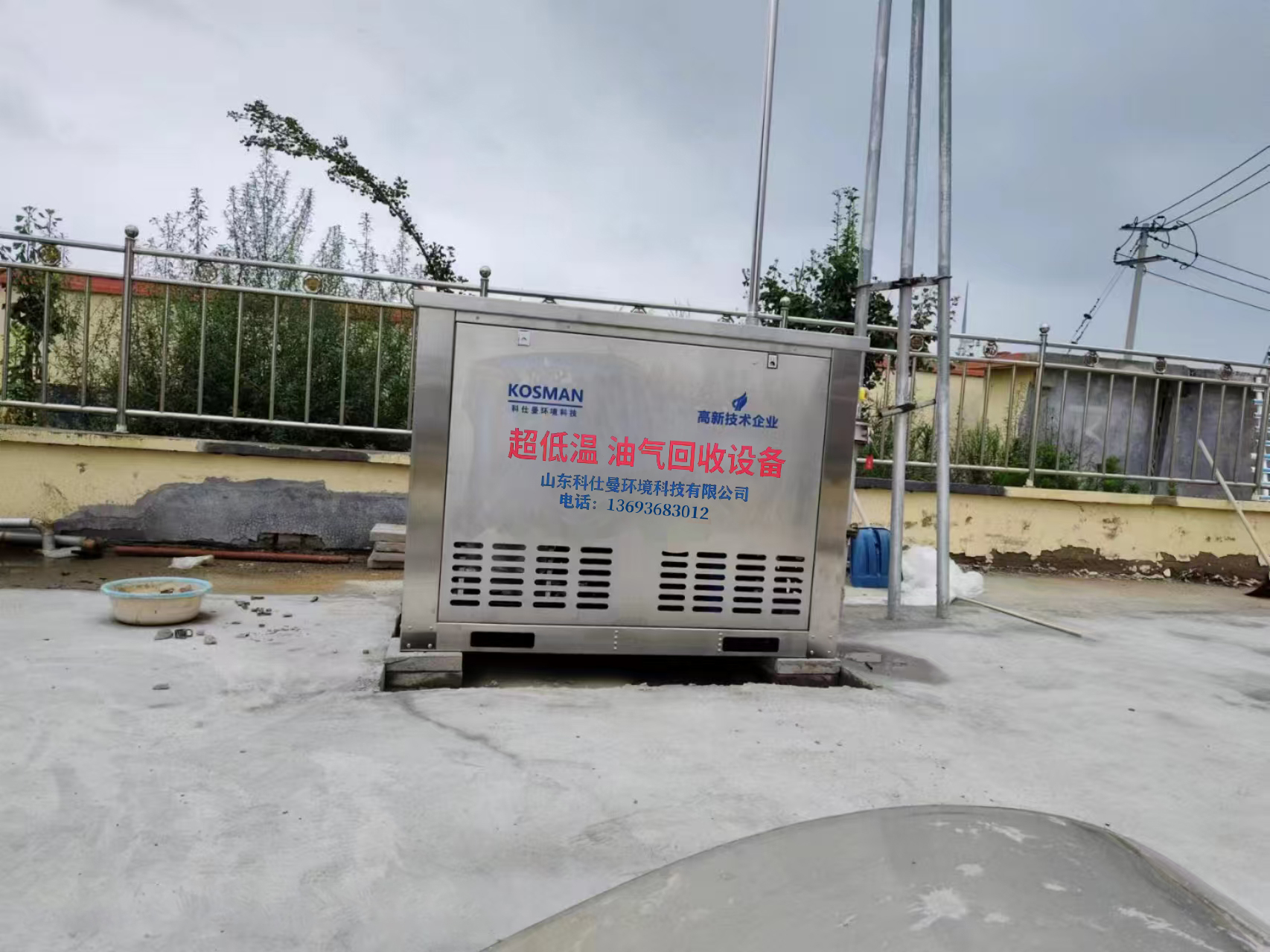
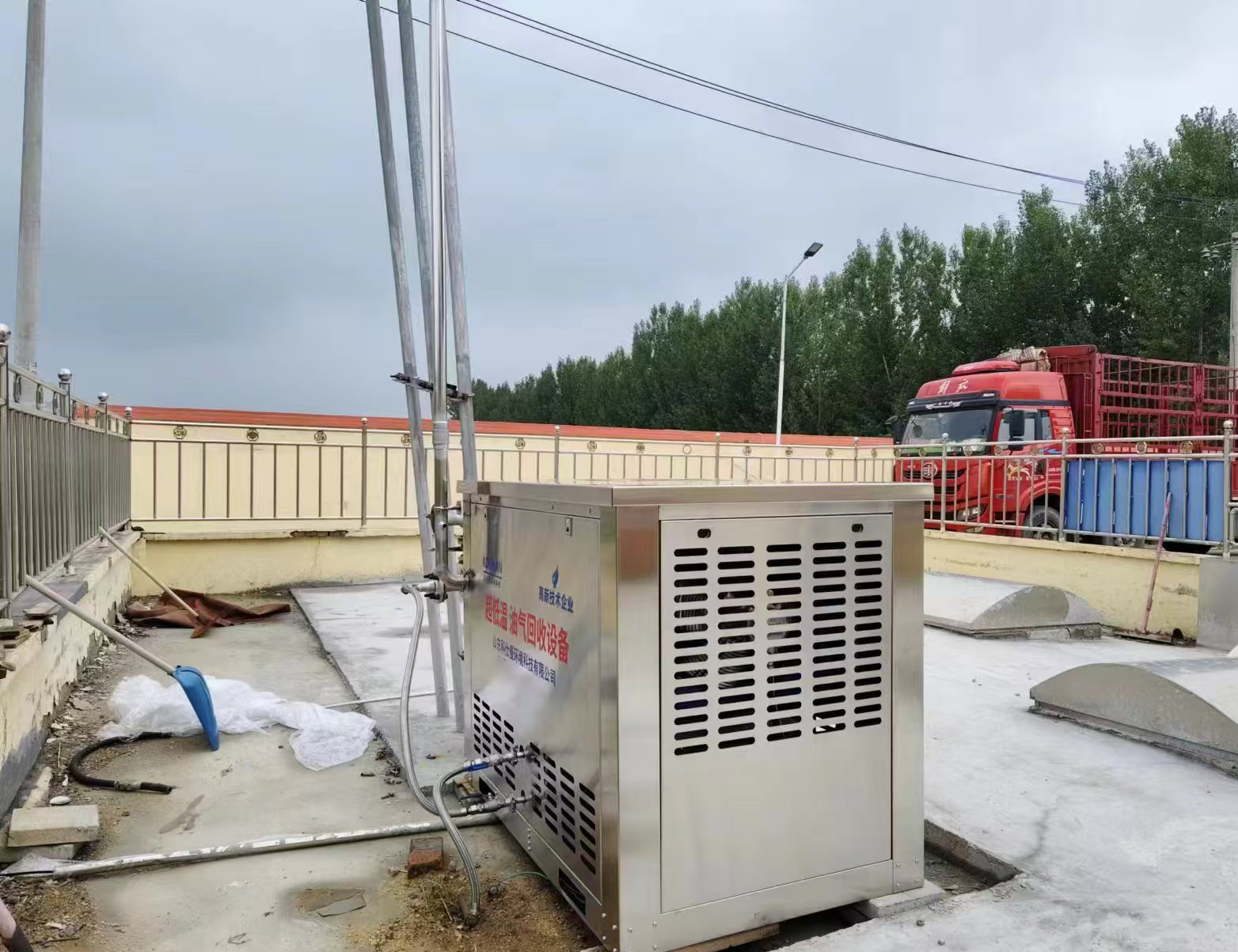
它不是为了把 VOCs 全回收,而是做减负荷+护炉子:
It is not for the complete recovery of VOCs, but for load reduction and furnace protection:
把高沸、易凝组分在 -40℃~-110℃ 段先凝出来,减少进炉有机物总量;
Condense high boiling and easily condensable components in the temperature range of -40 ℃ to -110 ℃ to reduce the total amount of organic matter entering the furnace;
同步除湿、脱油雾,降低酸露点腐蚀风险;
Synchronize dehumidification and oil mist removal to reduce the risk of acid dew point corrosion;
轻组分(C2/C3/C4)凝不下,交给后段 RTO 烧或 CO 催化,分工明确。
The light components (C2/C3/C4) cannot condense and are handed over to the later stage RTO combustion or CO catalysis, with clear division of labor.
相当于给焚烧系统装了个“前置油烟机”。
It is equivalent to installing a "front range hood" for the incineration system.
三、工艺排布有讲究?
3、 The layout of the process is particular
常见路线:收集废气 → 冷凝预处理 → 过滤/除雾 → RTO/CO → 余热回用。
Common route: collecting exhaust gas → condensation pretreatment → filtration/dehazing → RTO/CO → waste heat reuse.
含氯、含酮、芳烃混气别硬烧,冷凝后先判卤素含量:氯高要走专用耐卤催化或后端补吸收;氧量不足得配新风,避免 RTO 爆炸下限踩线。
Chlorine containing, ketone containing, and aromatic hydrocarbon mixed gases should not be burned hard, and the halogen content should be determined first after condensation. If the chlorine content is high, specialized halogen resistant catalysis or back-end absorption should be used; If there is insufficient oxygen, fresh air should be provided to avoid crossing the lower limit of RTO explosion.
四、选型三个硬指标?
4、 Select three hard indicators
最低冷凝温度区间:只到 -25℃ 只能捞重油,-40℃ 以下才谈得上护炉;
Minimum condensing temperature range: Only heavy oil can be salvaged at -25 ℃, and furnace protection can only be discussed below -40 ℃;
防爆等级:VOCs 尾气基本 EX 场景,控制柜、泵、传感器全链路防爆才算数;
Explosion proof level: VOCs exhaust gas basic EX scenario, control cabinet, pump, sensor full chain explosion-proof is considered;
自控能力:PLC+触摸屏+压力/温度/液位联锁,别靠人工看阀门。
Self control ability: PLC+touch screen+pressure/temperature/liquid level interlock, don't rely on manual valve inspection.
RTO/CO 是“发动机”,冷凝预处理是“机油和空滤”。省掉前端,后面省下的设备钱,全变成停机、换陶瓷、换催化剂的冤枉钱。
RTO/CO is the "engine", and condensation pretreatment is the "oil and air filter". By eliminating the front-end, all the equipment costs saved later become unnecessary expenses for shutting down, replacing ceramics, and replacing catalysts.