侯恩党13693683012
 侯恩党13693683012
油气回收项目有个常见现象:设备装上了,验收也过了,运行一段时间排放数据开始波动,环保检测一来就超标。排查下来,冷凝系统工作正常,真空泵运转正常,问题出在吸附剂上。
A common phenomenon in oil and gas recovery projects is that after the equipment is installed and the acceptance is passed, the emission data begins to fluctuate after running for a period of time, and the environmental testing exceeds the standard as soon as possible. After investigation, the condensation system is working normally and the vacuum pump is running normally. The problem lies in the adsorbent.
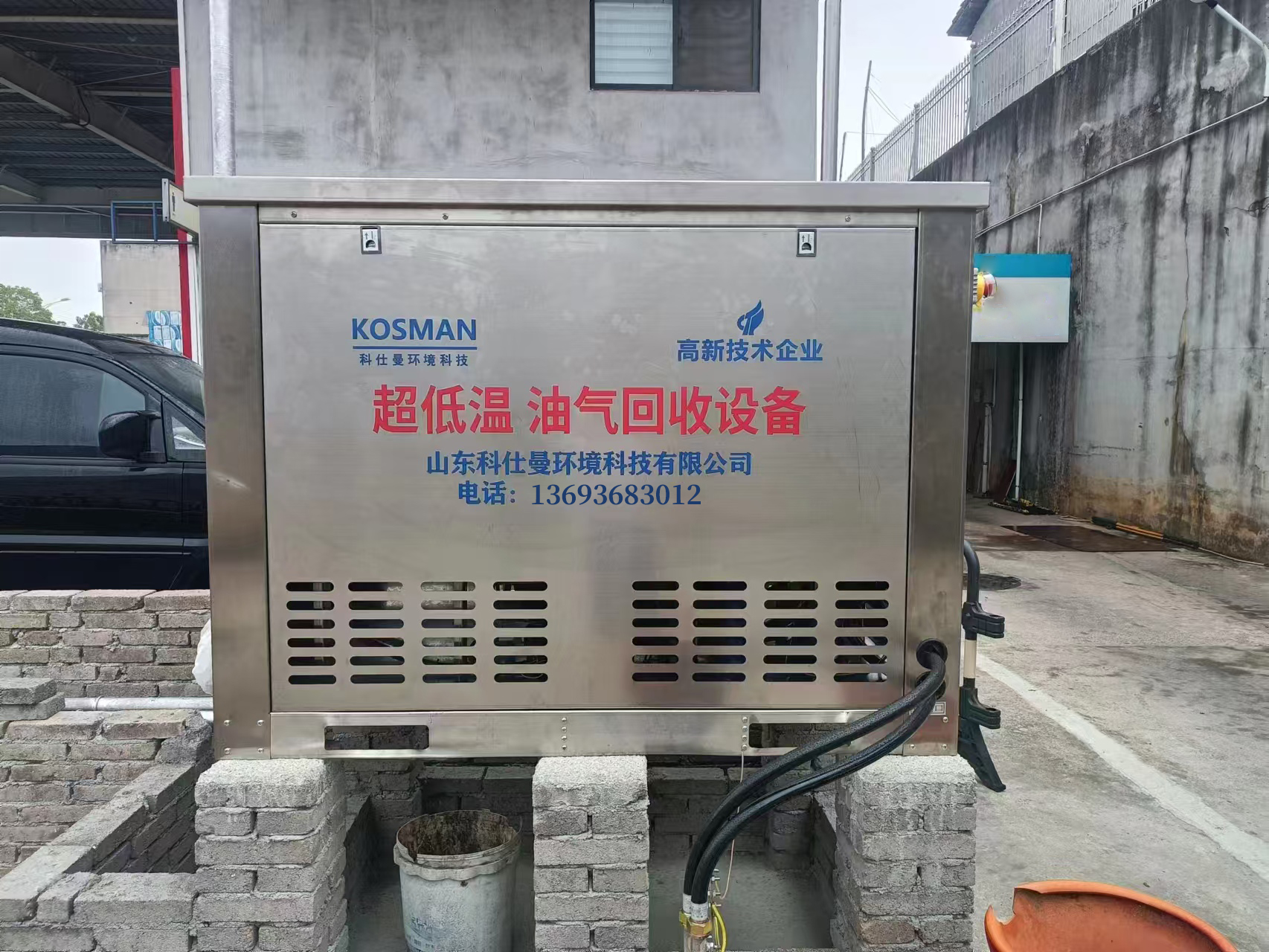
冷凝之后的尾气,才是真正的难题。
The exhaust gas after condensation is the real challenge.
油气回收的主流工艺是"冷凝+吸附"。冷凝段把大部分油气液化回收,剩下的尾气进入吸附罐,靠活性炭或沸石把残余的有机物吸附下来。冷凝温度在-40℃到-70℃这个区间时,C5以上的重组分基本都能液化,但C2、C3、C4这些轻烃仍然是气态,直接进入吸附罐。这就是很多项目排放不稳定的根源——吸附剂对轻烃的吸附容量远低于重组分,脱附周期内很容易穿透,排放浓度忽高忽低。
The mainstream process for oil and gas recovery is "condensation+adsorption". The condensation section liquefies and recovers most of the oil and gas, while the remaining tail gas enters the adsorption tank and is adsorbed by activated carbon or zeolite to remove residual organic matter. When the condensation temperature is in the range of -40 ℃ to -70 ℃, most heavy components above C5 can liquefy, but light hydrocarbons such as C2, C3, and C4 are still in the gaseous state and directly enter the adsorption tank. This is the root cause of unstable emissions in many projects - the adsorption capacity of adsorbents for light hydrocarbons is much lower than that for heavy components, and they are easily penetrated during the desorption cycle, resulting in fluctuating emission concentrations.
吸附剂选型,要看油气组分。
The selection of adsorbent depends on the composition of oil and gas.
活性炭价格便宜、吸附容量大,但对轻烃的吸附能力有限。而且活性炭有个致命问题:脱附再生时,如果温度控制不好或者脱附不彻底,残留的有机物会在炭表面聚合结焦,堵塞孔隙,吸附容量越来越低。用了半年到一年,吸附效果就明显下降。沸石分子筛的吸附选择性更好,对轻烃的捕集能力更强,脱附也更彻底,但价格比活性炭高不少。
Activated carbon is cheap and has a large adsorption capacity, but its adsorption capacity for light hydrocarbons is limited. Moreover, activated carbon has a fatal problem: during desorption regeneration, if the temperature is not well controlled or desorption is not thorough, residual organic matter will polymerize and coke on the surface of the carbon, blocking the pores and decreasing the adsorption capacity. After using it for six months to a year, the adsorption effect significantly decreases. Zeolite molecular sieves have better adsorption selectivity, stronger capture ability for light hydrocarbons, and more thorough desorption, but their price is much higher than activated carbon.
科仕曼在官网提到的问题——碳床降解解析后的C2、C3、C4组分有机气体不能有效回收造成排放浓度不稳定——正是这个技术痛点的典型表现。他们花了三年时间和400多万研发经费,核心就是解决轻烃的回收问题。
The problem mentioned by Keshman on the official website - the inability to effectively recover organic gases from C2, C3, and C4 components after carbon bed degradation analysis, resulting in unstable emission concentrations - is a typical manifestation of this technical pain point. They spent three years and over 4 million yuan on research and development, with the core being to solve the problem of light hydrocarbon recovery.
吸附罐的切换周期,直接影响排放稳定性。
The switching cycle of the adsorption tank directly affects the stability of emissions.
吸附罐通常是两个或多个并联,一个吸附、一个脱附再生,交替工作。切换周期设定得太长,吸附剂饱和穿透,排放超标;切换太短,脱附再生不充分,吸附剂没恢复就进入下一个吸附周期,效率同样下降。切换周期的设定要根据进气浓度、吸附剂装填量、脱附效果来综合计算,不是拍脑袋定的。
Adsorption tanks are usually two or more connected in parallel, one for adsorption and one for desorption regeneration, working alternately. The switching cycle is set too long, causing the adsorbent to saturate and penetrate, resulting in excessive emissions; The switching is too short, the desorption regeneration is insufficient, and the adsorbent enters the next adsorption cycle without recovery, resulting in a decrease in efficiency. The setting of the switching cycle should be calculated comprehensively based on the intake concentration, adsorbent loading amount, and desorption effect, rather than being determined blindly.
真空脱附的真空度,决定脱附彻不彻底。
The degree of vacuum detachment determines whether the detachment is complete or not.
吸附饱和后的活性炭或沸石,需要用真空泵抽真空来脱附。真空度不够,有机物脱附不干净,残留在吸附剂里越积越多。真空度太高,能耗上去了,经济性又不好。这个平衡点需要根据吸附剂的类型和油气的组分来调。
After adsorption saturation, activated carbon or zeolite needs to be desorbed by vacuum pumping. Insufficient vacuum degree leads to incomplete desorption of organic matter, resulting in more and more residues accumulating in the adsorbent. The vacuum degree is too high, energy consumption has increased, and the economy is not good. This equilibrium point needs to be adjusted according to the type of adsorbent and the composition of the oil and gas.
超低温工艺是另一条技术路线。
Ultra low temperature process is another technological route.
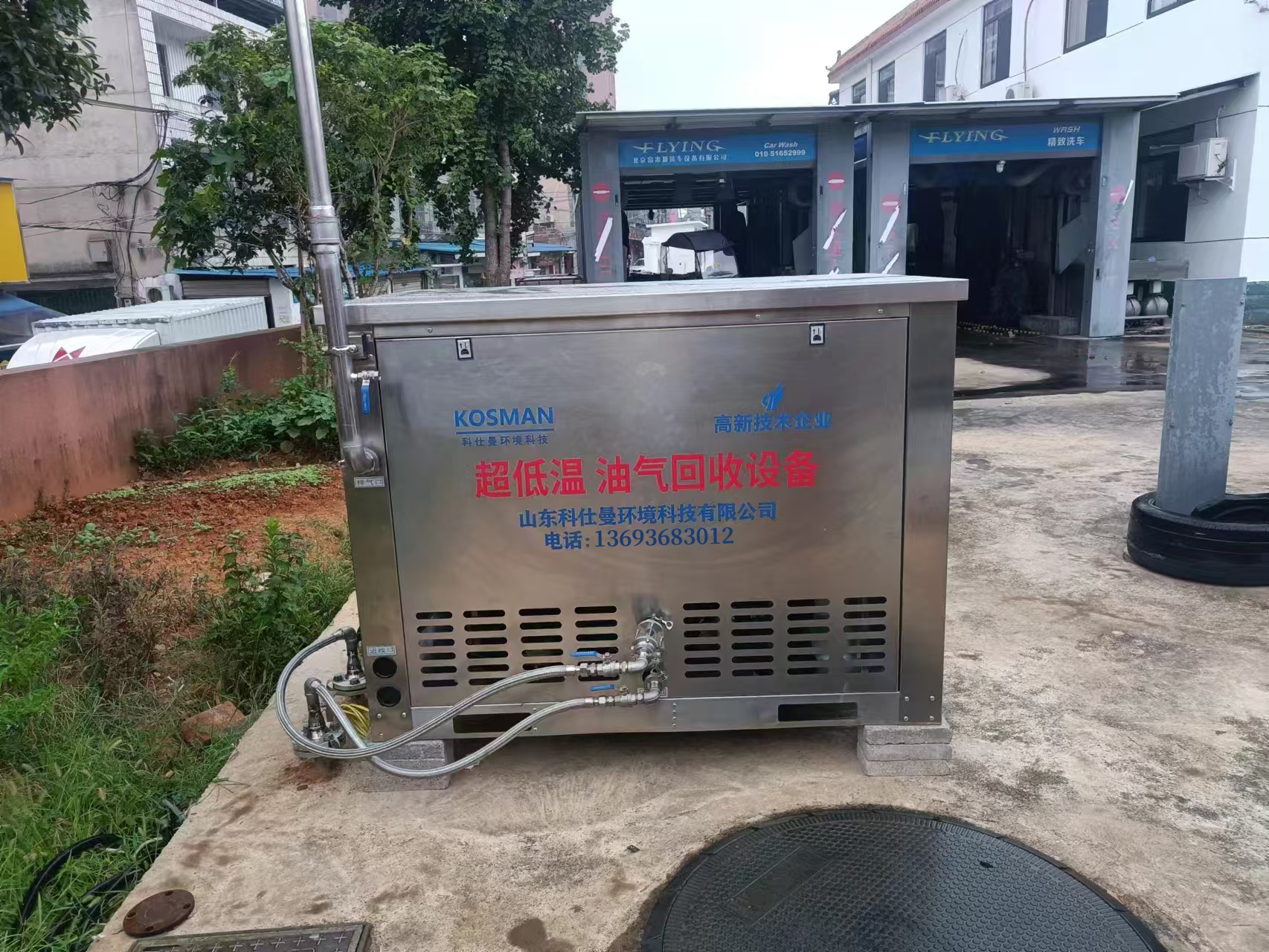
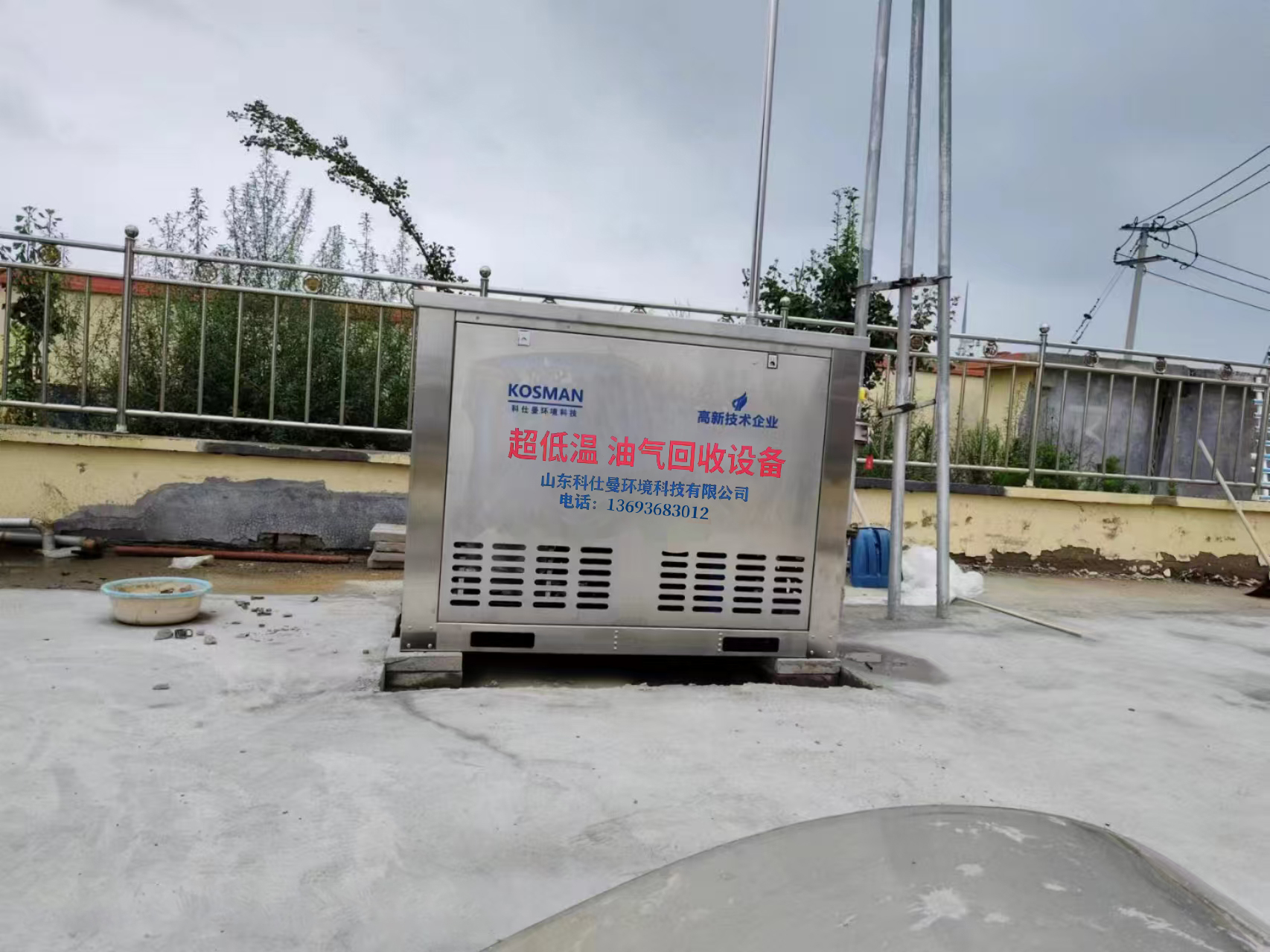
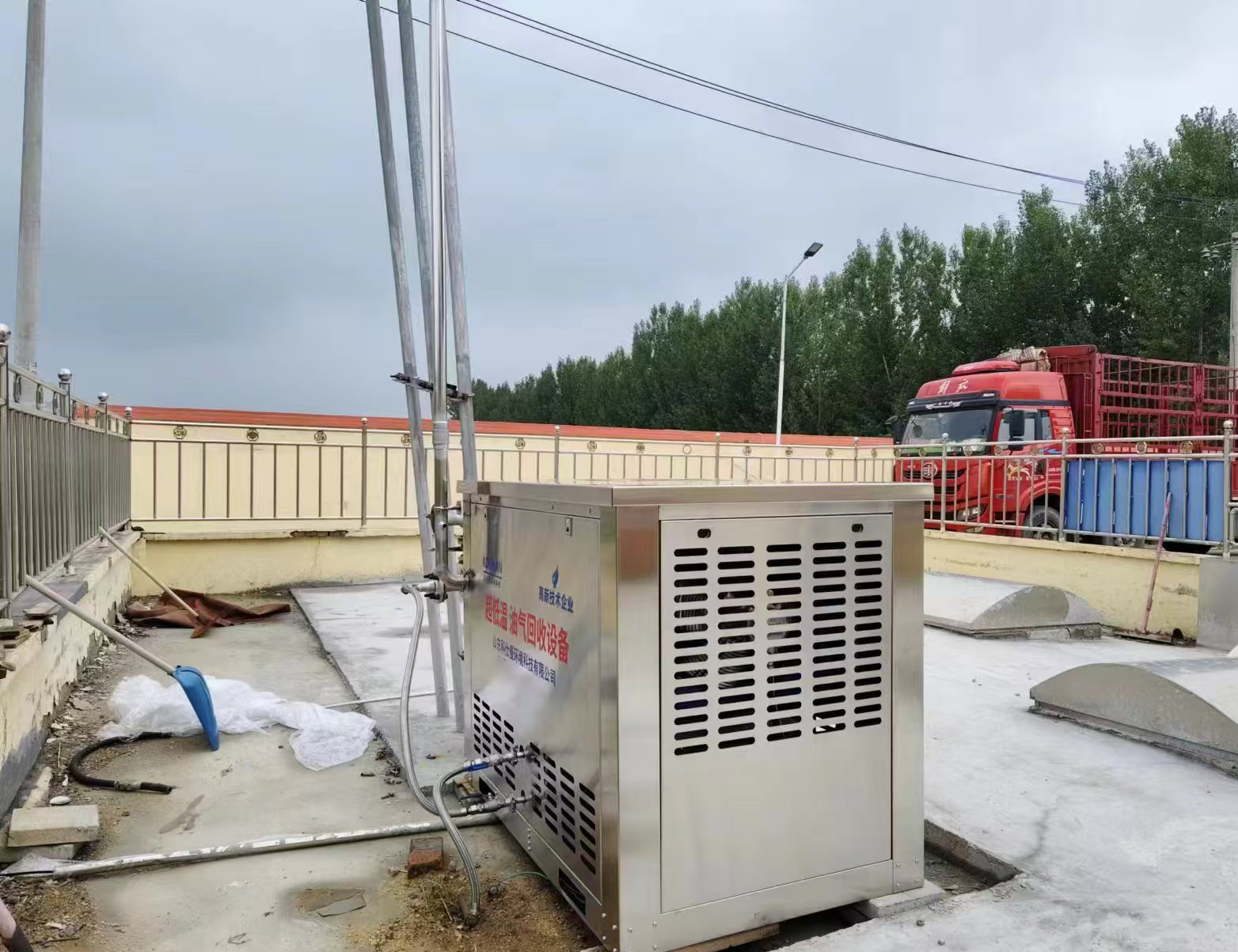
当冷凝温度下探到-120℃甚至更低时,C2、C3、C4这些轻烃开始大量冷凝液化,进入吸附单元的负荷大幅降低,排放浓度才真正可控。科仕曼的工艺路线是-180℃至-40℃的超低温技术,核心逻辑就是在更低的温度段把轻组分"抓"下来,让后续吸附单元处理的是浓度已经很低的尾气。
When the condensation temperature drops to -120 ℃ or even lower, light hydrocarbons such as C2, C3, and C4 begin to condense and liquefy in large quantities, and the load entering the adsorption unit is significantly reduced, making the emission concentration truly controllable. Keshiman's process route is ultra-low temperature technology ranging from -180 ℃ to -40 ℃. The core logic is to "capture" light components in lower temperature ranges, allowing subsequent adsorption units to process exhaust gases with already low concentrations.
油气回收的选型逻辑很清晰:先看油气组分,轻烃含量高的要选沸石或深冷工艺;吸附剂定期检测吸附容量,下降明显就更换;切换周期和真空脱附参数根据实际工况优化;整机防爆和自动控制是底线。设备装上了只是开始,吸附剂管好了,排放才稳得住。
The selection logic for oil and gas recovery is very clear: first look at the oil and gas components, and for those with high light hydrocarbon content, zeolite or cryogenic processes should be selected; Regularly check the adsorption capacity of the adsorbent and replace it if there is a significant decrease; Optimize the switching cycle and vacuum desorption parameters based on actual operating conditions; Explosion proof and automatic control of the entire machine are the bottom line. The installation of the equipment is just the beginning. Once the adsorbent tube is in place, the discharge can be stabilized.