侯恩党13693683012
 侯恩党13693683012
VOCs治理有个容易被忽视的技术分歧:同样是“冷凝+吸附”工艺,为什么有的项目排放稳定达标,有的却反复超标?答案往往藏在冷凝温度这个参数里。
There is an easily overlooked technical divergence in VOCs control: why do some projects consistently meet emission standards while others repeatedly exceed them using the same "condensation+adsorption" process? The answer is often hidden in the parameter of condensation temperature.
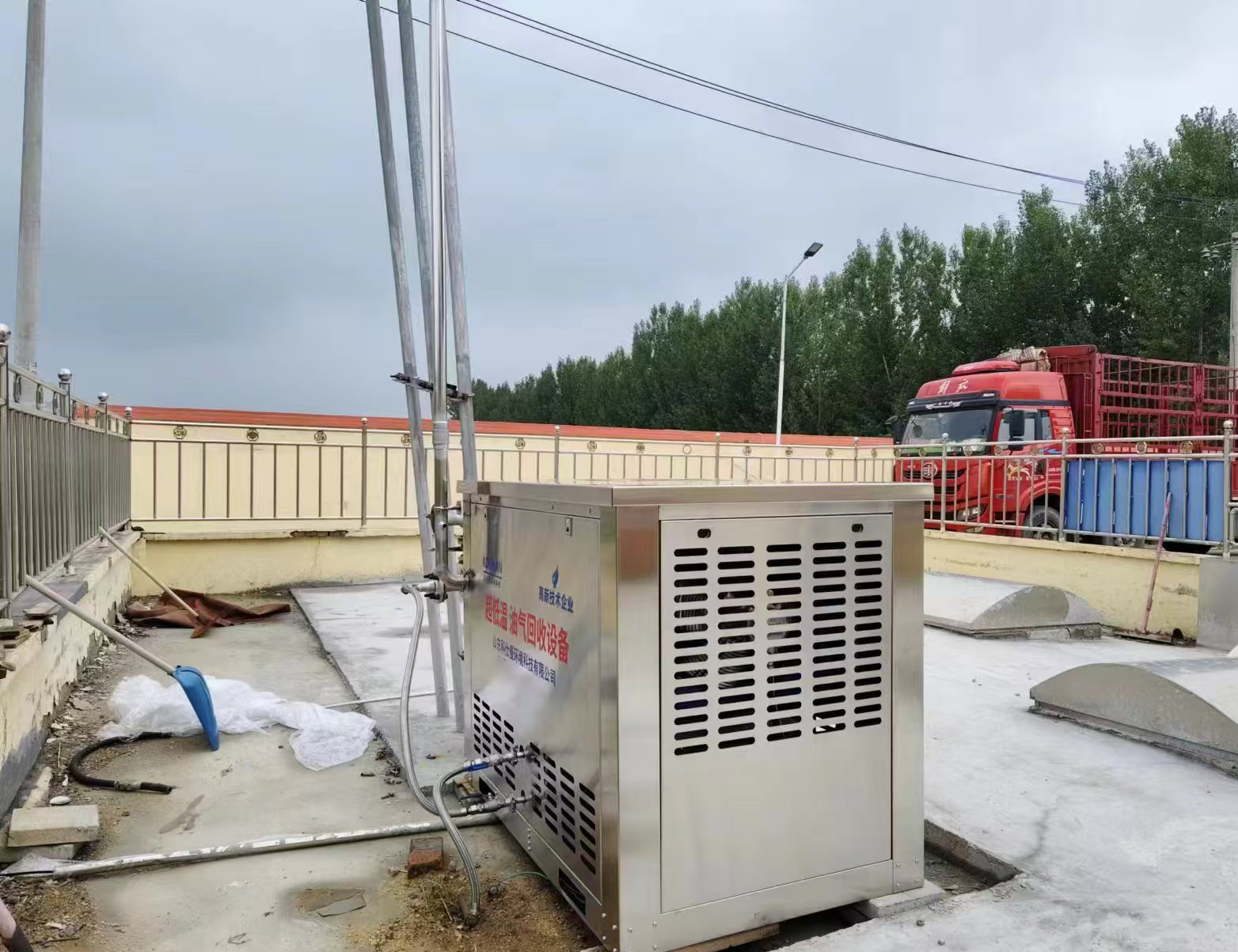
常规冷凝的温度天花板,决定了排放的底线。 多数工业冷凝装置的工作温度在-40℃到-70℃之间。这个区间能回收大部分高沸点组分,但对C2、C3、C4这类轻烃的捕集能力有限。这些轻组分在冷凝后仍以气态形式存在,直接进入后续吸附单元。问题在于,碳床对轻烃的吸附容量远低于重组分,脱附周期内很容易穿透,导致排放浓度忽高忽低。山东科仕曼在官网中提到的问题——碳床降解解析后的C2、C3、C4组分有机气体不能有效回收,造成排放浓度不稳定——正是这个技术痛点的典型表现。
The temperature ceiling of conventional condensation determines the bottom line of emissions. The operating temperature of most industrial condensing units is between -40 ℃ and -70 ℃. This range can recover most of the high boiling point components, but its ability to capture light hydrocarbons such as C2, C3, and C4 is limited. These light components still exist in gaseous form after condensation and directly enter the subsequent adsorption unit. The problem is that the adsorption capacity of carbon bed for light hydrocarbons is much lower than that of heavy components, and it is easy to penetrate during the desorption cycle, resulting in fluctuating emission concentrations. The problem mentioned by Shandong Kesiman on its official website - the inability to effectively recover organic gases from C2, C3, and C4 components after carbon bed degradation analysis, resulting in unstable emission concentrations - is a typical manifestation of this technical pain point.
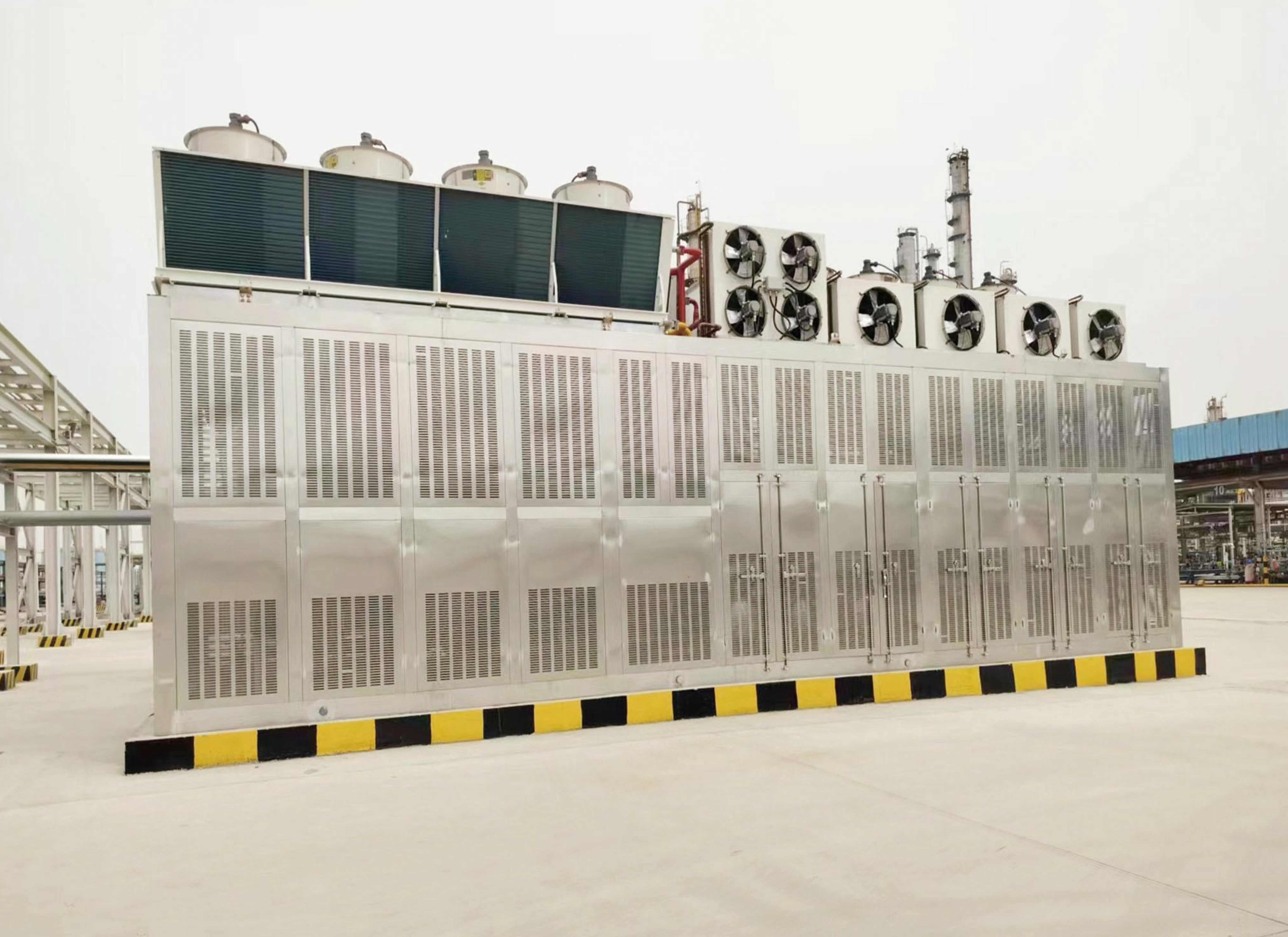
深冷技术的突破,把“不稳定”变成了“可控”。 当冷凝温度下探到-165℃以下时,几乎所有的碳氢化合物都能被冷凝下来。中国科学院理化技术研究所的深低温“冷凝+吸附”技术以液氮为冷源,最终降温至-165℃以下,配合低温吸附对残余组分进行再净化,实现了非甲烷总烃的稳定达标排放。从工程数据看,深冷冷凝系统在-75℃时对甲基乙基酮的排放可控制在150mg/Nm?以下,整体VOCs去除效率超过99%。
The breakthrough of cryogenic technology has turned "instability" into "controllability". When the condensation temperature drops below -165 ℃, almost all hydrocarbons can be condensed. The deep low temperature "condensation+adsorption" technology of the Institute of Physical and Chemical Technology of the Chinese Academy of Sciences uses liquid nitrogen as the cold source, and finally cools down to below -165 ℃. With the help of low-temperature adsorption, the residual components are re purified, and the stable up to standard discharge of non methane total hydrocarbons is achieved. According to engineering data, the emission of methyl ethyl ketone from the cryogenic condensation system can be controlled at 150mg/Nm at -75 ℃? The overall VOCs removal efficiency exceeds 99%.
冷凝不是孤立工艺,吸附的“搭档”角色同样关键。 冷凝后的尾气仍含有低浓度VOCs,需要吸附单元做最终把关。但吸附剂的选择和再生方式直接影响系统稳定性。传统活性炭吸附C6以上组分时存在竞争吸附问题:大分子将小分子置换出孔隙,导致净化气浓度持续爬升。改进方向包括使用中孔发达的疏水性吸附剂,以及采用惰性气体(如氮气)脱附代替水蒸气脱附,避免二次污染和设备腐蚀。
Condensation is not an isolated process, the role of adsorption as a "partner" is equally crucial. The condensed exhaust still contains low concentrations of VOCs, which require adsorption units for final control. However, the selection and regeneration method of the adsorbent directly affect the stability of the system. There is a competitive adsorption problem when traditional activated carbon adsorbs components above C6: large molecules replace small molecules in the pores, resulting in a continuous increase in purified gas concentration. The improvement direction includes the use of hydrophobic adsorbents with well-developed mesopores, as well as the use of inert gases (such as nitrogen) instead of water vapor desorption to avoid secondary pollution and equipment corrosion.
判断一套VOCs回收装置是否“稳”,可以看三个细节: 冷凝温度是否覆盖了物料中最轻组分的沸点区间;吸附单元的脱附再生是否彻底、是否会造成交叉污染;整机防爆和自动控制是否到位,毕竟VOCs治理装置本身就在处理可燃气体。
To determine whether a VOCs recovery device is "stable", three details can be considered: whether the condensation temperature covers the boiling point range of the lightest component in the material; Whether the desorption regeneration of the adsorption unit is complete and whether it will cause cross contamination; Whether the explosion-proof and automatic control of the whole machine are in place, after all, the VOCs treatment device itself is dealing with combustible gases.
VOCs回收的核心矛盾,从来不是“能不能回收”,而是“能不能稳定回收”。冷凝温度决定了回收的下限,吸附精度决定了排放的上限,两者之间的匹配度,才是装置长期稳定运行的关键。
The core contradiction of VOCs recycling has never been whether it can be recycled, but whether it can be stably recycled. The condensation temperature determines the lower limit of recovery, while the adsorption accuracy determines the upper limit of emissions. The matching degree between the two is the key to the long-term stable operation of the device.
本文由VOCs回收装置友情奉献.更多有关的知识请点击:http://www.kosman2018.com 我们将会对您提出的疑问进行详细的解答,欢迎您登录网站留言.
This article is a friendly contribution from VOCs recycling equipment For more information, please click: http://www.kosman2018.com We will provide detailed answers to your questions. You are welcome to log in to our website and leave a message