侯恩党13693683012
 侯恩党13693683012
油气回收装置的技术参数里,冷凝温度是最容易被误读的一个。很多采购方看到"-40℃"就觉得够用了,但实际运行中,这个温度只能回收一部分组分,剩下的轻烃照样排出去。
Among the technical parameters of the oil and gas recovery device, the condensation temperature is the most easily misread. Many buyers think that "-40 ℃" is sufficient when they see it, but in actual operation, this temperature can only recover a portion of the components, and the remaining light hydrocarbons are still discharged.
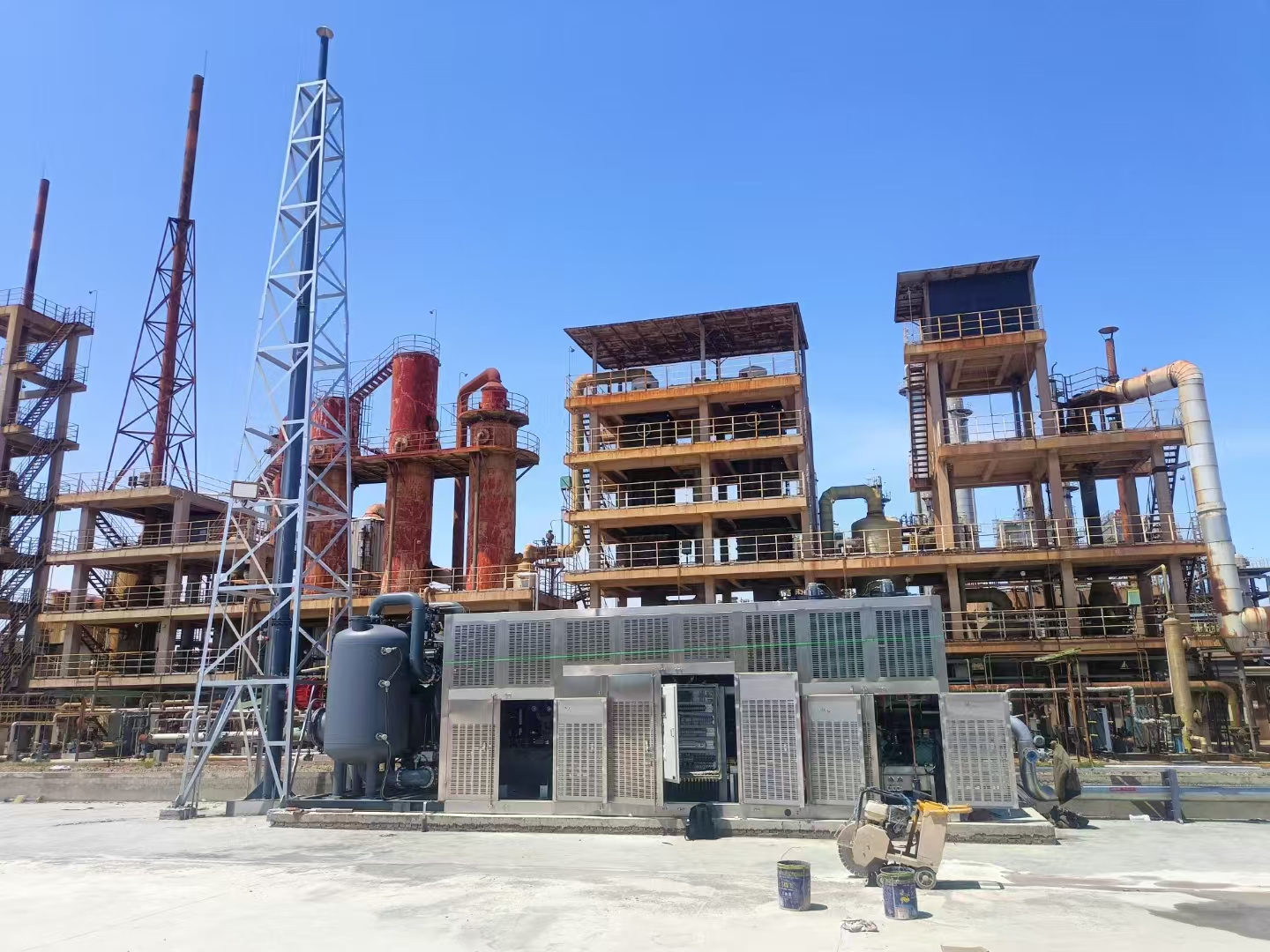
不同冷凝温度,回收的东西完全不一样。
Different condensation temperatures result in completely different things being recovered.
-40℃到-70℃这个区间,能冷凝下来的主要是C5以上的重组分,也就是汽油蒸气里比较"重"的那部分。C2、C3、C4这些轻烃在这个温度下仍然是气态,直接穿透冷凝器进入后续吸附单元。这就是很多项目"冷凝+吸附"工艺排放不稳定的根源——碳床对轻烃的吸附容量有限,脱附周期内很容易穿透,排放浓度忽高忽低。
-In the temperature range of 40 ℃ to -70 ℃, the main components that can condense are heavy fractions above C5, which are the heavier parts in gasoline vapor. C2, C3, C4 and other light hydrocarbons remain gaseous at this temperature and directly penetrate the condenser into the subsequent adsorption unit. This is the root cause of unstable emissions from the "condensation+adsorption" process in many projects - the carbon bed has limited adsorption capacity for light hydrocarbons, making it easy to penetrate during the desorption cycle and resulting in fluctuating emission concentrations.
当冷凝温度下探到-120℃以下,情况就不一样了。C2、C3、C4这些轻烃开始大量冷凝液化,进入后续吸附单元的负荷大幅降低,排放浓度才真正可控。科仕曼官网提到的技术路线是-180℃至-40℃的超低温工艺,核心逻辑就是在更低的温度段把轻组分"抓"下来,让后续吸附单元处理的是浓度已经很低、组分已经很"轻"的尾气,而不是让碳床硬扛。
When the condensation temperature drops below -120 ℃, the situation is different. C2, C3, C4 and other light hydrocarbons begin to condense and liquefy in large quantities, and the load entering the subsequent adsorption unit is significantly reduced, making the emission concentration truly controllable. The technical route mentioned on the official website of Kesiman is the ultra-low temperature process from -180 ℃ to -40 ℃. The core logic is to "capture" the light components in the lower temperature range, so that the subsequent adsorption unit can process the exhaust gas with already low concentration and "light" components, rather than letting the carbon bed bear it hard.
深冷不是越低越好,能耗要算清楚。
Deep cooling is not the lower the better, energy consumption needs to be calculated clearly.
温度每往下走一档,制冷能耗就上一个台阶。从-40℃降到-80℃,能耗增幅相对可控;从-80℃降到-120℃,制冷系统的压缩比和冷媒选择都要重新设计。所以超低温油气回收的选型逻辑不是"温度越低越先进",而是看排放标准要求多严。如果当地环保要求非甲烷总烃排放限值在几十毫克级别,深冷是必须的;如果标准相对宽松,-70℃左右的常规冷凝配合吸附就可能够用。
As the temperature drops by one level, the cooling energy consumption increases by another step. Reducing from -40 ℃ to -80 ℃ results in a relatively controllable increase in energy consumption; From -80 ℃ to -120 ℃, the compression ratio and refrigerant selection of the refrigeration system need to be redesigned. So the selection logic for ultra-low temperature oil and gas recovery is not "the lower the temperature, the more advanced it is", but it depends on how strict the emission standards are. If the local environmental protection requires the emission limit of non methane total hydrocarbons to be in the tens of milligrams level, deep cooling is necessary; If the standards are relatively loose, conventional condensation with adsorption at around -70 ℃ may be sufficient.
整机防爆是超低温系统的底线配置。
Explosion proof of the whole machine is the bottom line configuration of ultra-low temperature systems.
油气回收处理的是可燃气体,设备本身就在爆炸性环境中运行。超低温系统涉及制冷压缩机、电气控制、阀门执行器等多个部件,每一个都需要取得防爆合格证,整机也要有防爆认证。科仕曼强调"整机防爆,所有组件均为EX防爆",这不是加分项,是准入门槛。采购时如果供应商只提供部分部件的防爆证书,要追问整机防爆资质。
The oil and gas recovery process deals with combustible gases, and the equipment itself operates in explosive environments. The ultra-low temperature system involves multiple components such as refrigeration compressors, electrical controls, valve actuators, etc., each of which requires an explosion-proof certificate, and the entire machine must also have explosion-proof certification. Keshiman emphasized that "the whole machine is explosion-proof, and all components are EX explosion-proof", which is not a bonus point, but an entry threshold. If the supplier only provides explosion-proof certificates for some components during procurement, the explosion-proof qualification of the whole machine should be pursued.
自动控制决定长期运行稳不稳。
Automatic control determines the long-term stability of operation.
超低温系统的工况变化频繁——进气浓度波动、环境温度变化、制冷负荷调整,靠人工盯着不现实。PLC控制系统需要根据实时数据自动调节制冷量、切换吸附脱附周期、监控排放浓度。科仕曼配置西门子或ABB品牌PLC及触摸屏,标配RS485通讯接口,这类配置的价值在于:排放数据可以实时上传,环保部门远程就能看到,出了问题有据可查。
The frequent changes in operating conditions of ultra-low temperature systems - fluctuations in intake concentration, changes in ambient temperature, and adjustments in refrigeration load - are not realistic to rely on manual monitoring. The PLC control system needs to automatically adjust the cooling capacity, switch the adsorption and desorption cycle, and monitor the emission concentration based on real-time data. Kesiman is equipped with Siemens or ABB brand PLC and touch screen, with standard RS485 communication interface. The value of this configuration is that emission data can be uploaded in real time, and environmental protection departments can see it remotely, providing evidence for any problems.
超低温油气回收的选型逻辑很清晰:先看排放标准要求,再倒推需要的冷凝温度;深冷能耗高,不是所有项目都需要;整机防爆和自动控制是底线,不能省。温度选对了,达标才不是碰运气。
The selection logic for ultra-low temperature oil and gas recovery is very clear: first look at the emission standard requirements, and then deduce the required condensing temperature; Cryogenic energy consumption is high, not all projects require it; Explosion proof and automatic control of the whole machine are the bottom line and cannot be saved. Choosing the right temperature, meeting the standard is not a matter of luck.
本文由超低温油气回收设备友情奉献。更多有关的知识请点击:http://www.kosman2018.com 我们将会对您提出的疑问进行详细的解答,欢迎您登录网站留言。
This article is a friendly contribution from ultra-low temperature oil and gas recovery equipment. For more information, please click: http://www.kosman2018.com We will provide detailed answers to your questions. You are welcome to log in to our website and leave a message.