侯恩党13693683012
 侯恩党13693683012
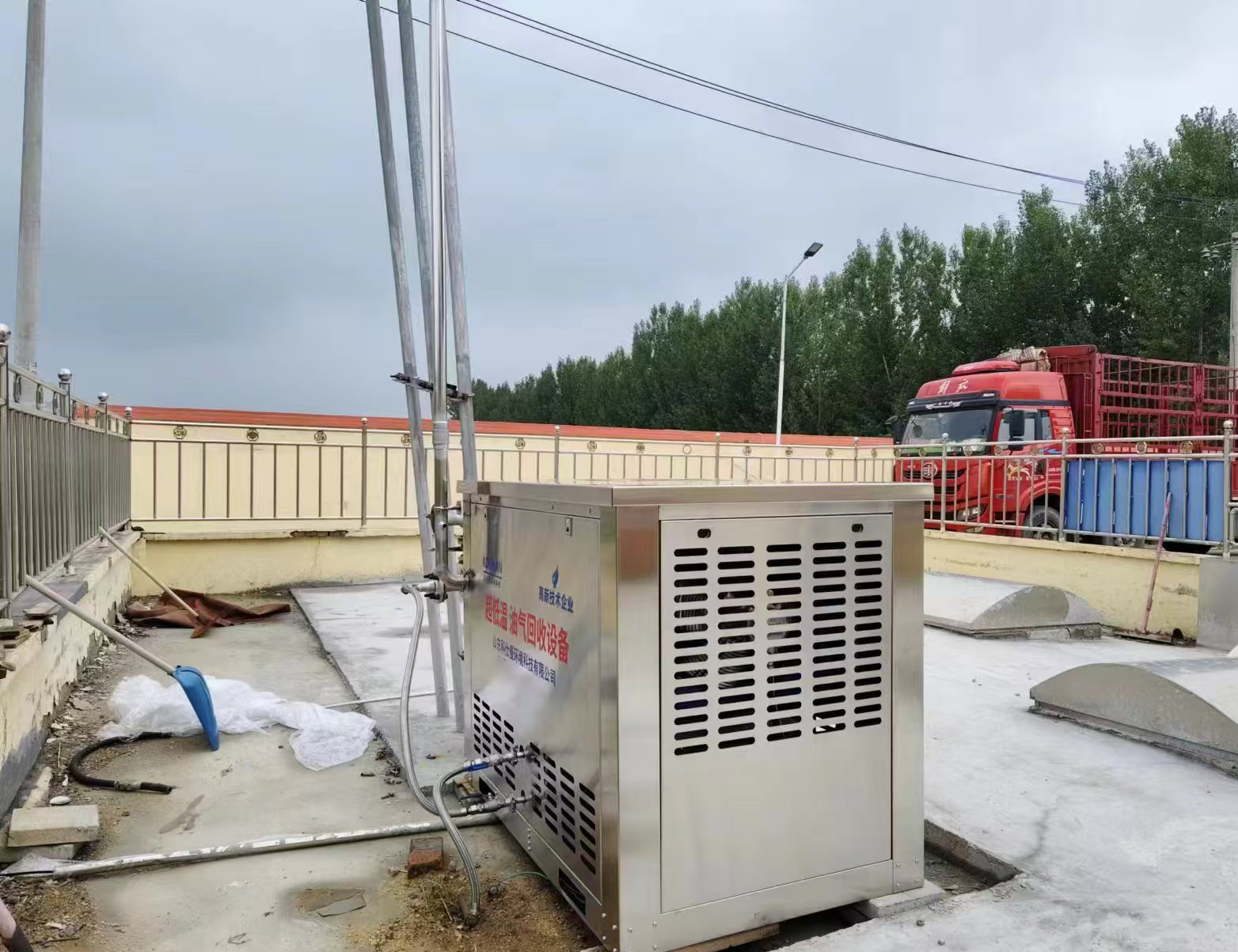
很多工厂以为上了回收装置就稳了,结果环保一测,浓度还是卡线。问题往往不在设备不干活,而在没搞清楚废气里“谁先跑、谁难抓”。
Many factories thought that installing recycling devices would stabilize the situation, but when tested for environmental protection, the concentration still stuck in the line. The problem often lies not in the equipment not working, but in not understanding who runs first and who is difficult to catch in the exhaust gas.
VOCs不是一种气,是一伙气。
VOCs are not a type of gas, they are a group of gases.
重一点的、沸点高的,冷凝一降温就变液体,好收;
Heavier and higher boiling point, it turns into a liquid as soon as it condenses and cools down, making it easier to collect;
难缠的是C2、C3、C4这类轻烃,沸点太低,普通冷凝摸不到它,吸附床饱和后还会“吐”出来——这就是明明回收了油,排放却不稳的典型原因。
Difficult to deal with are light hydrocarbons such as C2, C3, and C4, which have low boiling points and cannot be touched by ordinary condensation. After the adsorption bed is saturated, they will still "spit out" - this is a typical reason for unstable emissions even though the oil has been recovered.
工程上现在很少单靠一招:
In engineering, it is rare to rely solely on one move now:
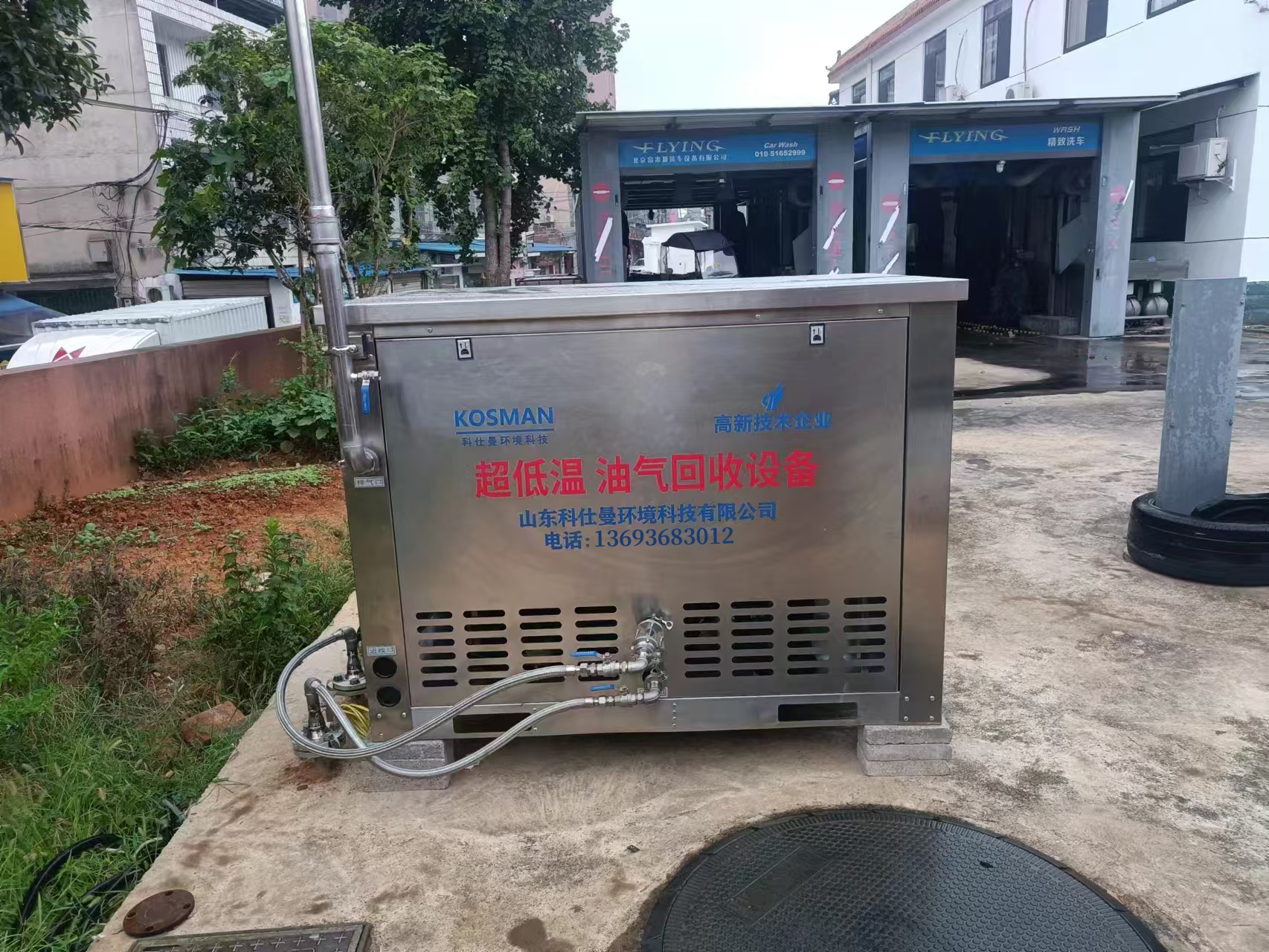
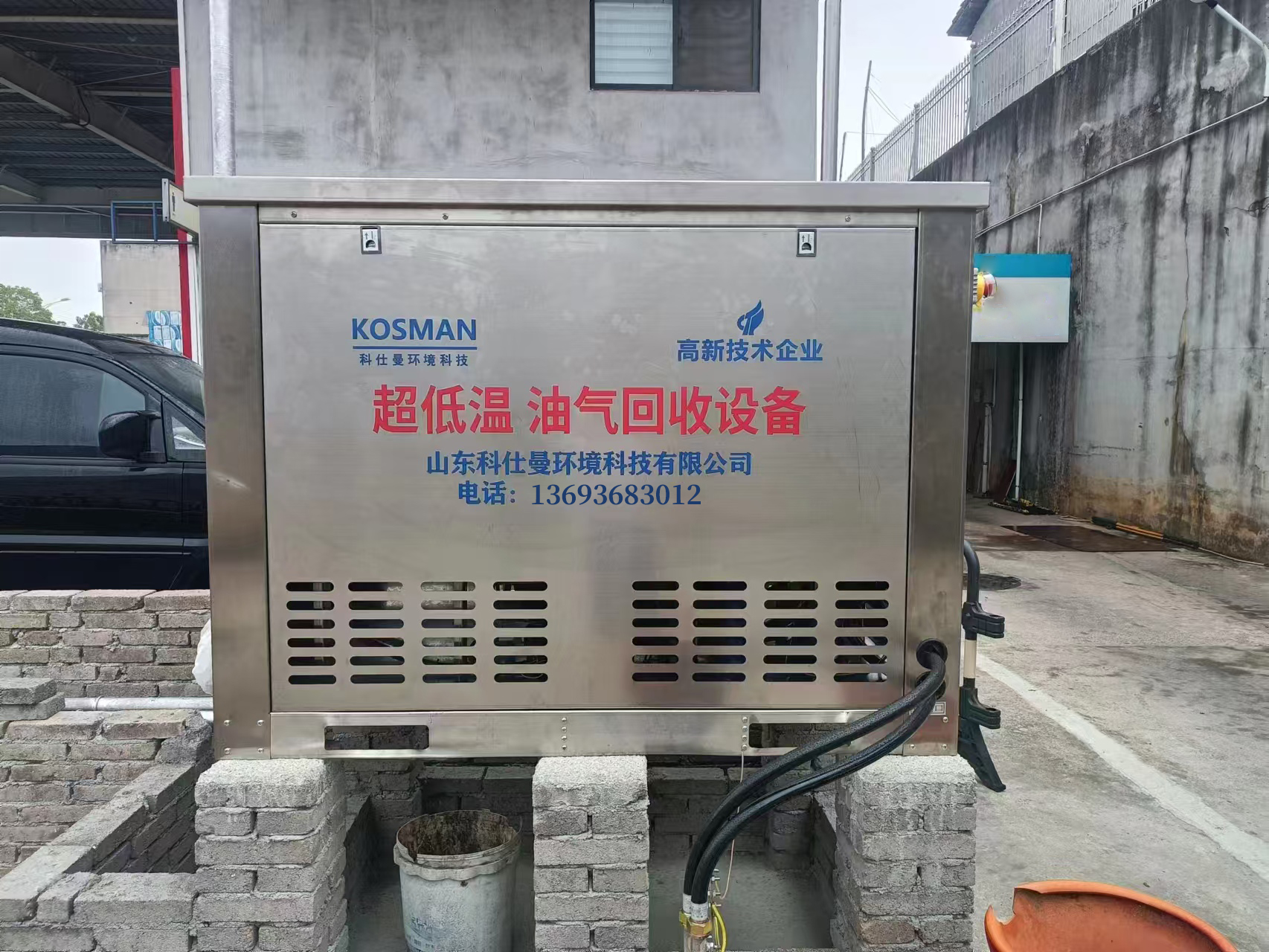
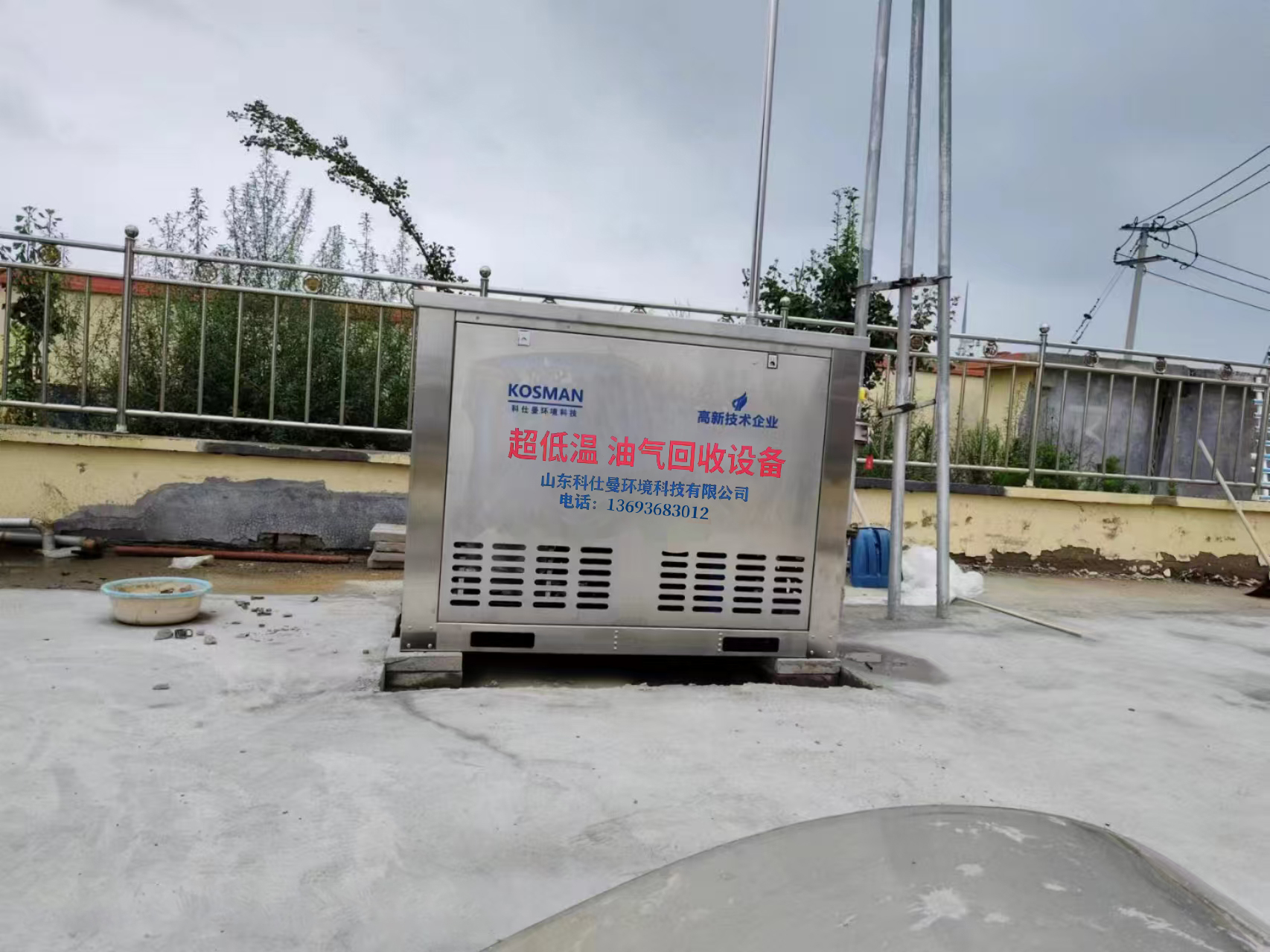
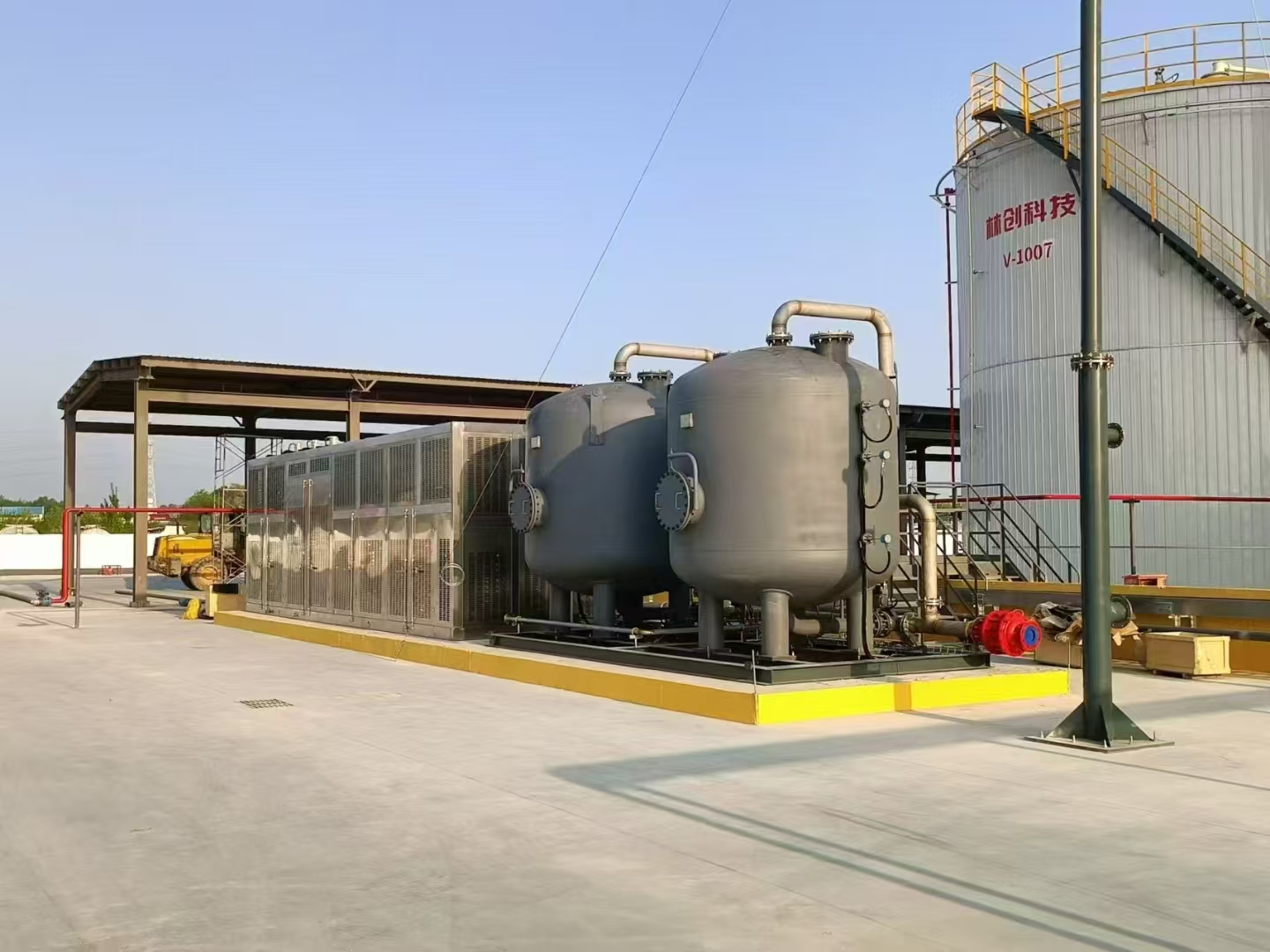
高浓度、小风量(储罐呼吸、装车栈台):先冷凝把大部分油液捞回来,再上吸附兜底;
High concentration, low air volume (tank breathing, loading platform): first condense and retrieve most of the oil, then adsorb and bottom it;
中浓度、组分干净:冷凝预处理+CO,省燃料,但废气含硫、卤素、硅类得先脱毒,不然催化剂半年就废;
Medium concentration, clean components: condensation pretreatment+CO, fuel saving, but the exhaust gas contains sulfur, halogens, and silicones that need to be detoxified first, otherwise the catalyst will waste in six months;
浓度波动大、含漆雾油雾:前面必须加除雾、除湿、过滤,否则RTO陶瓷堵、阀门卡,后期维修比设备还贵。
Large concentration fluctuations and paint and oil mist: defogging, dehumidification, and filtration must be added in advance, otherwise RTO ceramic blockage and valve jamming will result in more expensive maintenance than the equipment in the later stage.
选型前先问自己三件事:
Before making a selection, ask yourself three things:
废气浓度和风量峰值多少?(按最差工况算,别按平均值买设备)
What are the peak concentrations of exhaust gas and air volume? (Calculated based on the worst-case scenario, do not buy equipment based on the average value)
有没有轻组分、有没有催化剂毒物?
Are there any light components or catalyst toxins?
回收下来的溶剂,能不能真正回流用起来?
Can the recovered solvent be truly refluxed for use?
冷知识:深冷到-70℃以下,轻烃回收率会明显跳一档,但制冷能耗也翻倍。所以“越冷越好”是误区,分段控温、逐级回收,才是长期不亏钱的算法。
Cold knowledge: When the temperature drops below -70 ℃, the recovery rate of light hydrocarbons will significantly jump by one level, but the refrigeration energy consumption will also double. So 'the colder the better' is a misconception, segmented temperature control and step-by-step recovery are the algorithms that can maintain long-term profitability.
环保设备这东西,前端工况没摸准,后面再贵的炉子都是烧钱。
Environmental protection equipment, the front-end working conditions are not accurate, and even the most expensive furnaces are burning money.