侯恩党13693683012
 侯恩党13693683012
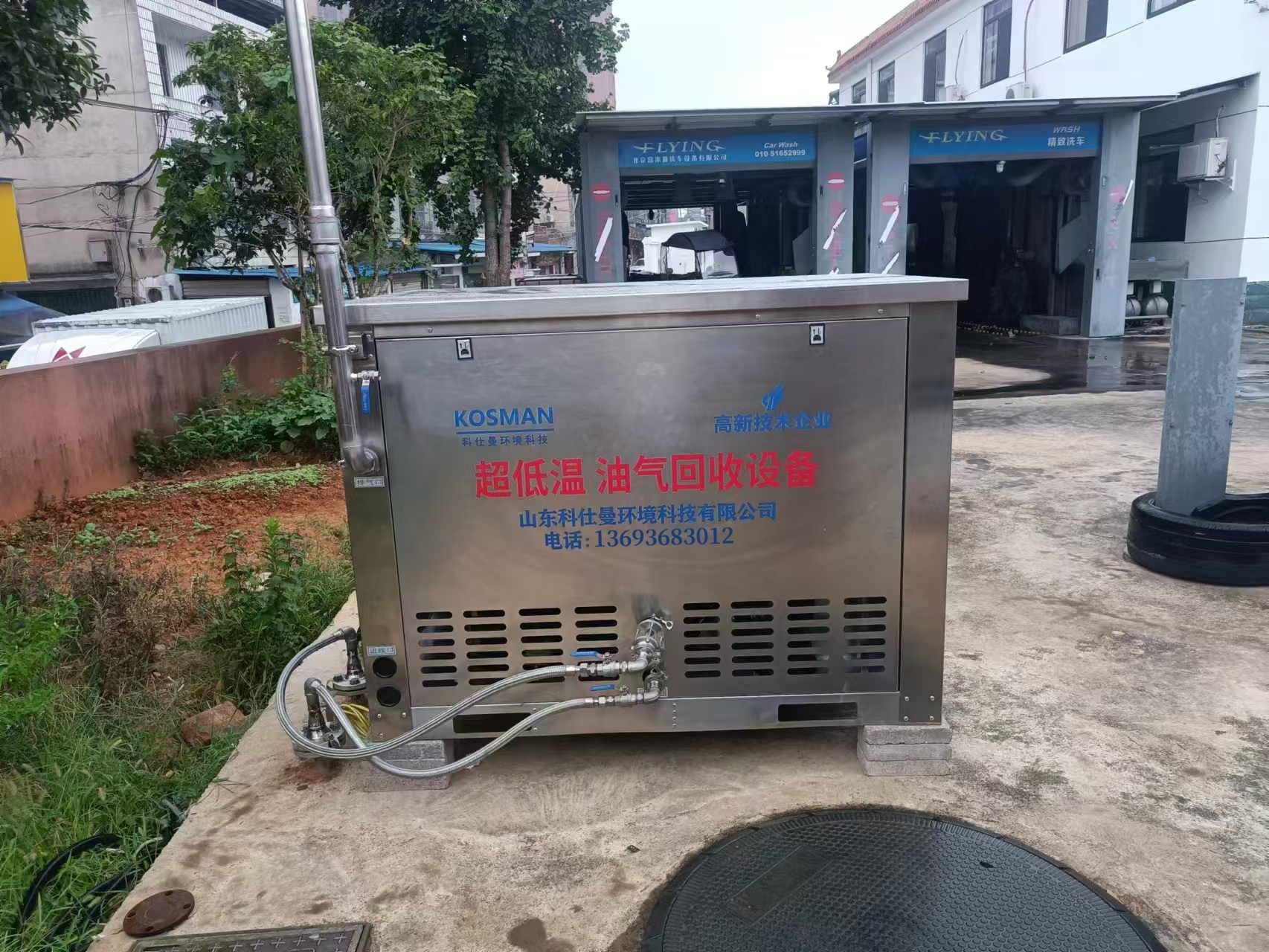
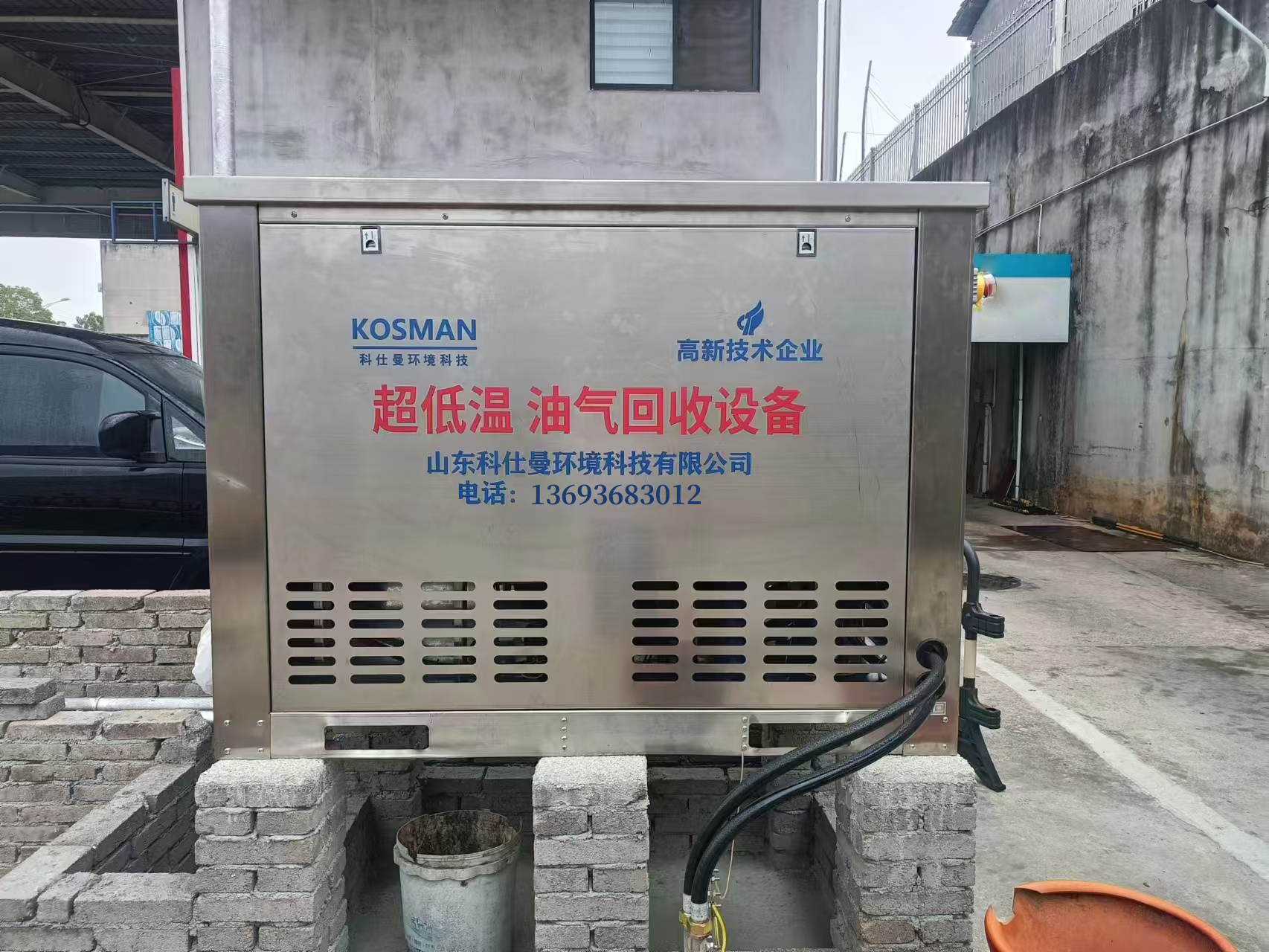
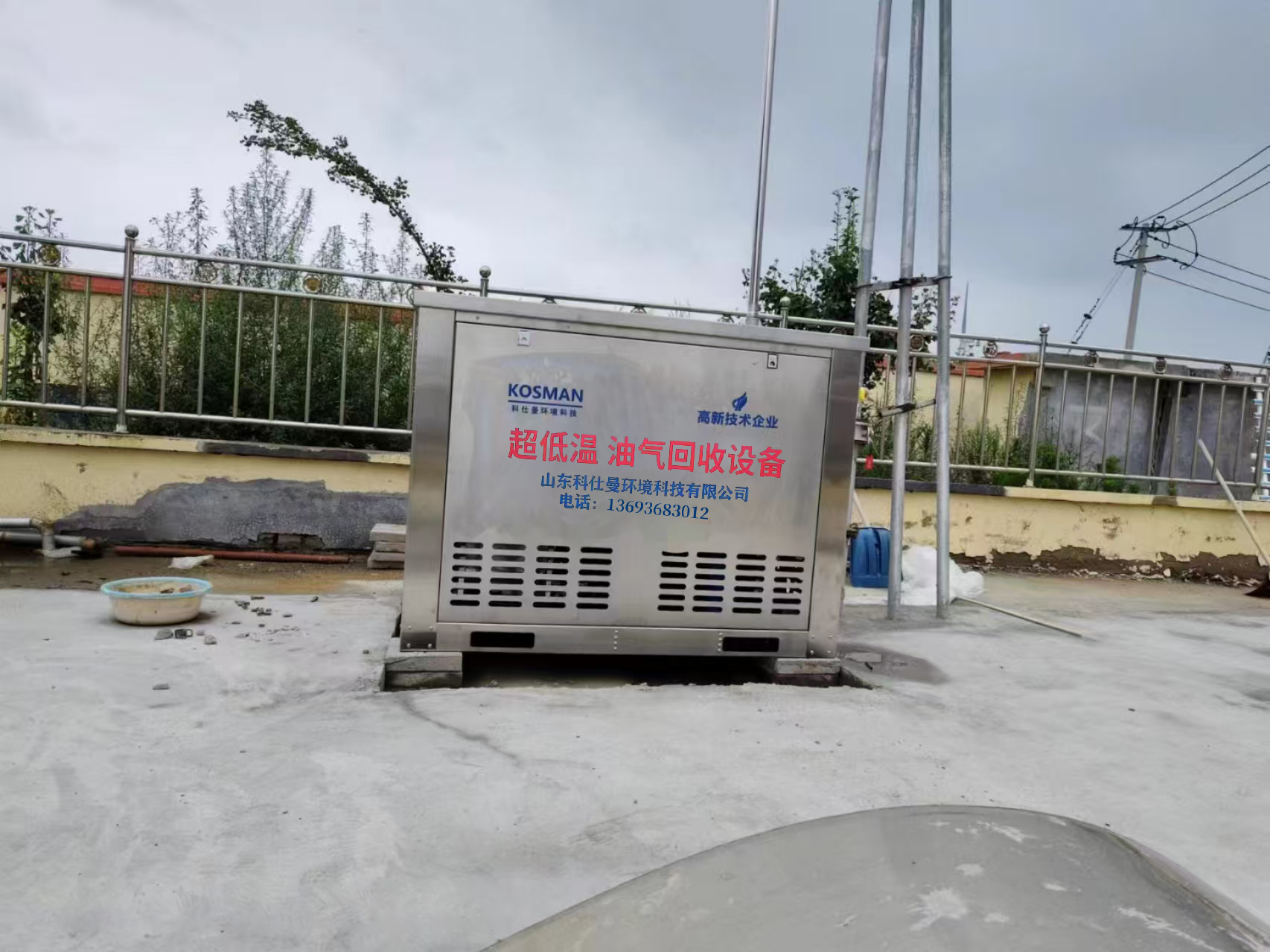
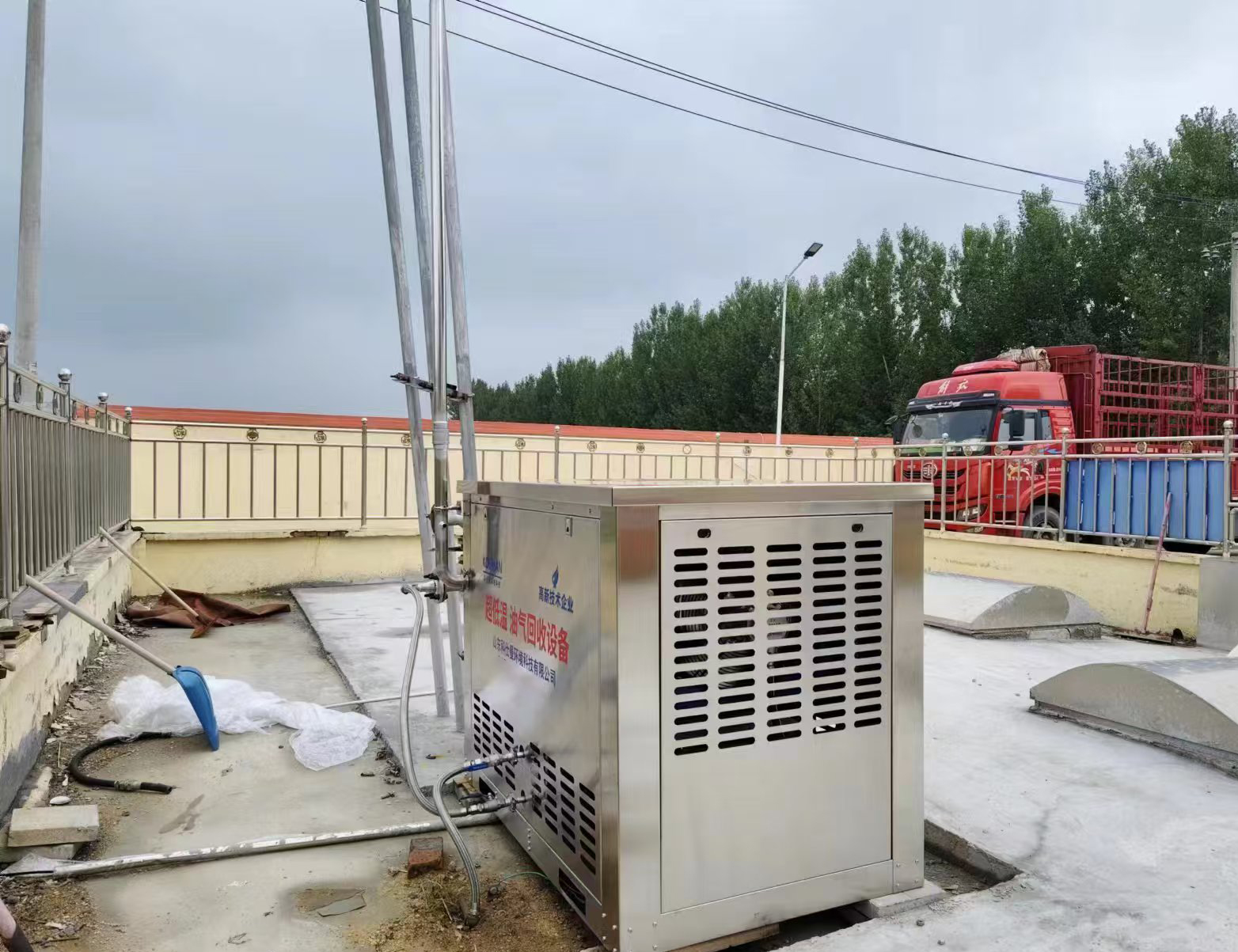
油气回收设备是用于收集和回收石油产品在储运、装卸、销售等环节挥发的有机气体(VOCs),将其转化为液态油品以实现污染控制与资源再利用的环保装备。随着我国大气污染防治力度的持续加强,油气回收设备已成为加油站、油库、石化企业等场所的标配环保设施。
Oil and gas recovery equipment is an environmental protection device used to collect and recover organic gases (VOCs) that evaporate during the storage, transportation, loading and unloading, and sales of petroleum products, and convert them into liquid oil products to achieve pollution control and resource reuse. With the continuous strengthening of China's air pollution prevention and control efforts, oil and gas recovery equipment has become a standard environmental protection facility in gas stations, oil depots, petrochemical enterprises and other places.
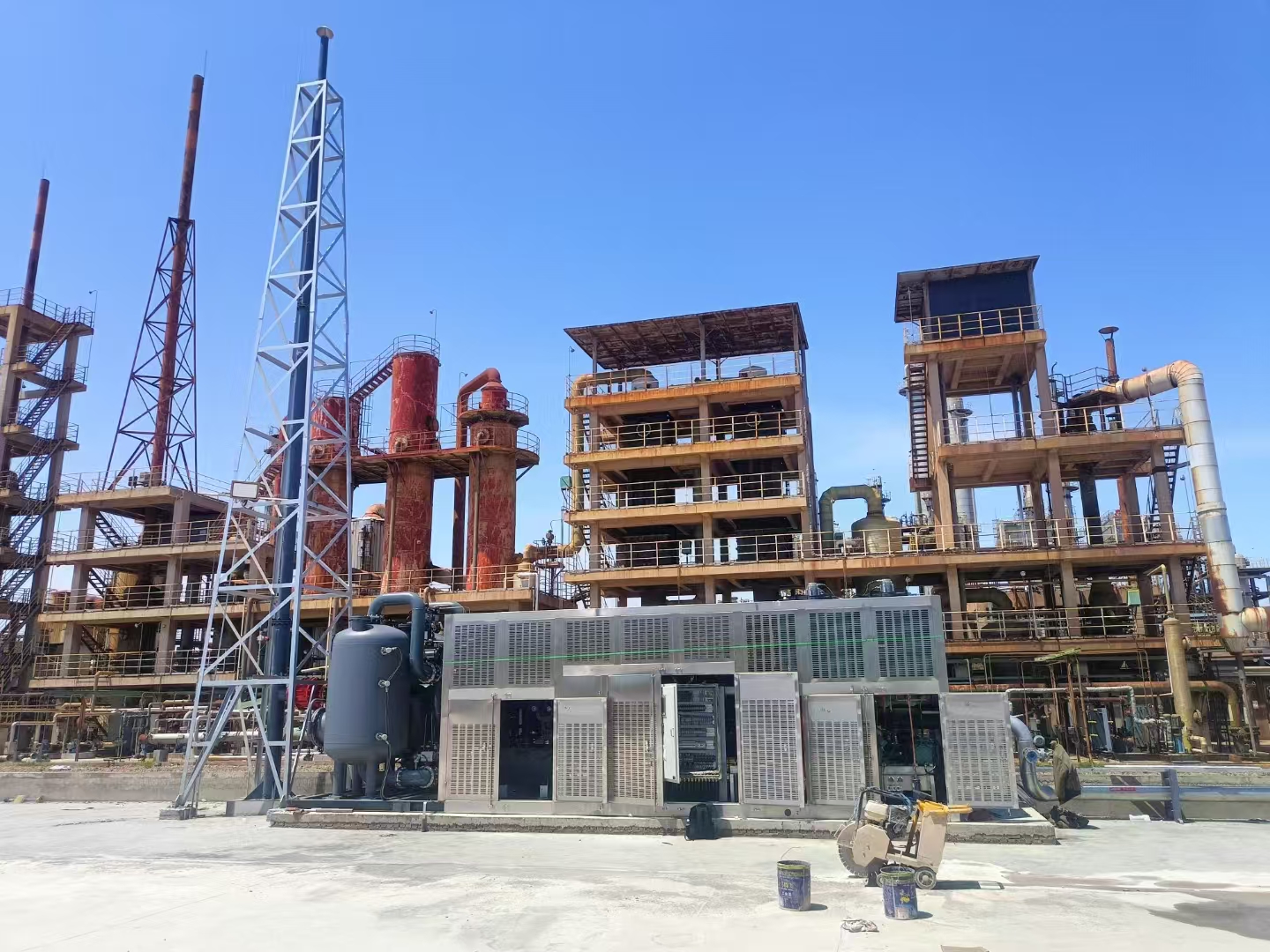
在技术原理层面,油气回收设备的核心在于将气态的油气通过物理或化学方法转化为液态,从而实现回收利用。目前主流的技术路线包括吸附法、冷凝法、膜分离法和吸收法四大类。吸附法利用活性炭、沸石等吸附剂的多孔结构选择性吸附油气分子,吸附饱和后通过热脱附或真空脱附实现再生。该技术占国内油气回收市场的约65%,核心优势为回收效率高(≥95%)和运行成本相对较低(0.5-1.2kWh/kg)。冷凝法采用逐级降温的方式将油气冷却至露点以下,使其凝结为液态。典型的冷凝流程包括预冷、机械制冷乃至深冷等多个温区,可根据不同挥发气体的特性设定不同冷凝温度。膜分离法利用不同气体分子在膜材料中渗透速率不同的原理,实现碳氢化合物与空气的高效分离。吸收法则通过液体吸收剂选择性吸收油气中的烃类组分。
At the technical principle level, the core of oil and gas recovery equipment is to convert gaseous oil and gas into liquid state through physical or chemical methods, thereby achieving recycling and utilization. The current mainstream technological routes include four categories: adsorption, condensation, membrane separation, and absorption. The adsorption method utilizes the porous structure of adsorbents such as activated carbon and zeolite to selectively adsorb oil and gas molecules. After adsorption saturation, regeneration is achieved through thermal desorption or vacuum desorption. This technology accounts for about 65% of the domestic oil and gas recovery market, with its core advantages being high recovery efficiency (≥ 95%) and relatively low operating costs (0.5-1.2 kWh/kg). The condensation method uses a step-by-step cooling method to cool the oil and gas below the dew point, causing it to condense into a liquid state. The typical condensation process includes multiple temperature zones such as pre cooling, mechanical refrigeration, and even deep cooling, and different condensation temperatures can be set according to the characteristics of different volatile gases. The membrane separation method utilizes the principle that different gas molecules have different permeation rates in membrane materials to achieve efficient separation of hydrocarbons and air. The absorption law selectively absorbs hydrocarbon components in oil and gas through liquid absorbents.
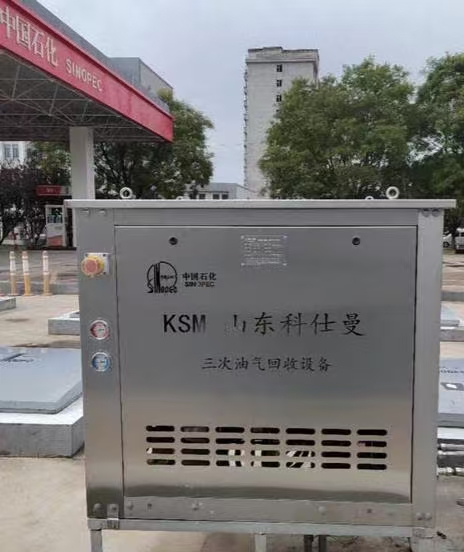
从系统构成来看,一套完整的油气回收设备通常包括油气收集系统、输送系统、处理系统和控制系统。根据应用场景的不同,油气回收可分为一次回收(卸油阶段)、二次回收(加油阶段)和三次回收(油气后处理过程)。其中,三次回收是对储油罐内呼出的高浓度油气进行深度处理,是目前技术含量最高、处理要求最严格的环节。随着排放标准的日益严格,单一技术已难以满足所有工况需求,吸附-冷凝、冷凝-膜分离等组合工艺正成为行业主流发展方向。
From the perspective of system composition, a complete oil and gas recovery equipment usually includes an oil and gas collection system, a transportation system, a processing system, and a control system. According to different application scenarios, oil and gas recovery can be divided into primary recovery (unloading stage), secondary recovery (refueling stage), and tertiary recovery (oil and gas post-treatment process). Among them, the third recycling is the deep treatment of high concentration oil and gas exhaled from the oil storage tank, which is currently the most technically advanced and demanding process. With the increasingly strict emission standards, a single technology is no longer able to meet the needs of all operating conditions. Combination processes such as adsorption condensation and condensation membrane separation are becoming the mainstream development direction in the industry.
本文由油气回收设备友情奉献.更多有关的知识请点击:http://www.kosman2018.com我们将会对您提出的疑问进行详细的解答,欢迎您登录网站留言.
This article is a friendly contribution from oil and gas recovery equipment For more information, please click: http://www.kosman2018.com We will provide detailed answers to your questions. You are welcome to log in to our website and leave a message