侯恩党13693683012
 侯恩党13693683012
VOCs,即挥发性有机物,是大气中臭氧和PM2.5的重要前体物,而石化、化工、储运、涂装等行业正是VOCs的主要排放源。VOCs回收装置并非单一设备,而是一个涵盖吸附、冷凝、膜分离、吸收等多种技术的系统工程,其核心逻辑是:将废气中的有机成分从气相中分离、提纯并转化为可回用的液态溶剂或原料,既实现达标排放,又“变废为宝”。
VOCs, Volatile organic compounds (VOCs) are important precursors of ozone and PM2.5 in the atmosphere, and industries such as petrochemicals, chemicals, storage and transportation, and coatings are the main sources of VOCs emissions. The VOCs recovery device is not a single equipment, but a system engineering that covers various technologies such as adsorption, condensation, membrane separation, and absorption. Its core logic is to separate, purify, and convert organic components in exhaust gas from the gas phase into reusable liquid solvents or raw materials, achieving both standard emissions and "turning waste into treasure".
一、使用范围:横跨众多VOCs排放行业
1、 Scope of use: Spanning across numerous VOCs emission industries
VOCs回收装置的适用范围极为广泛,几乎覆盖所有涉及有机溶剂使用或挥发性物料储运的工业领域:
The application scope of VOCs recovery devices is extremely wide, covering almost all industrial fields involving the use of organic solvents or the storage and transportation of volatile materials
石油化工与煤化工:炼油厂、化工厂的生产装置、储罐区、装车鹤管排放的油气;苯、甲苯、二甲苯等芳烃类废气的治理与回收。
Petrochemical and coal chemical industries: oil and gas emissions from production facilities, storage tank areas, and loading cranes in refineries and chemical plants; The treatment and recovery of aromatic hydrocarbon waste gases such as benzene, toluene, and xylene.
精细化工与医药制药:反应釜、精馏塔排放的高浓度、高沸点VOCs尾气,往往具有回收价值。
Fine chemicals and pharmaceuticals: The high concentration and high boiling point VOCs tail gas emitted from reaction vessels and distillation towers often have recycling value.
码头与油库:油品中转库的收发油作业废气,以及原油运输船货油舱的油气挥发。
Dock and oil depot: Waste gas from oil receiving and delivery operations in oil transfer warehouses, as well as oil and gas volatilization from cargo tanks of crude oil transport ships.
橡胶、塑料、涂料、印刷等行业:大风量、中低浓度的有机废气治理,同时回收溶剂油。
Rubber, plastic, coating, printing and other industries: treatment of high air volume and low to medium concentration organic waste gas, while recycling solvent oil.
新能源与光伏产业:电池制造、光伏生产过程中的溶剂回收。
New energy and photovoltaic industry: solvent recovery in battery manufacturing and photovoltaic production processes.
二、不同技术路线的工艺与优势
2、 Processes and advantages of different technological routes
VOCs回收装置根据废气浓度、风量、组分及排放标准的不同,选择差异化的技术组合:
The VOCs recovery device selects differentiated technology combinations based on the concentration, air volume, composition, and emission standards of the exhaust gas
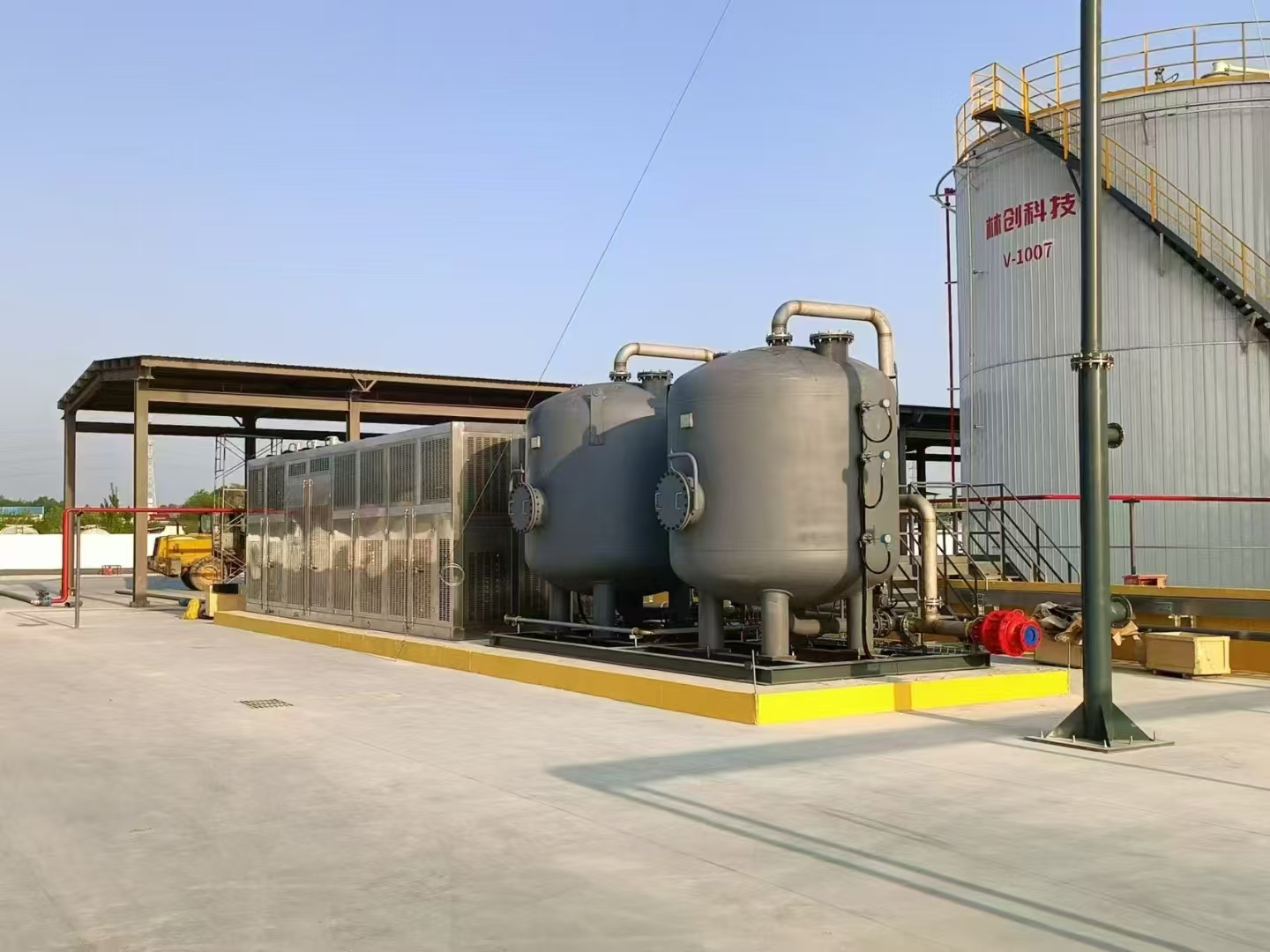
吸附法是利用活性炭、分子筛等吸附剂对VOCs的选择性吸附能力,将污染物富集后再通过加热或降压脱附。目前先进工艺采用移动床活性炭吸附+高温氮气/水蒸气脱附+冷凝回收的组合路线。以山东鹏达公司的技术为例,该工艺的净化效率可达98%以上,吸附剂使用寿命合同保证值15年,大风量工况下溶剂年回收收益可达数百万元级别。
Adsorption method utilizes the selective adsorption ability of adsorbents such as activated carbon and molecular sieves for VOCs, to enrich pollutants and then desorb them through heating or depressurization. At present, advanced technology adopts a combination route of mobile bed activated carbon adsorption, high-temperature nitrogen/water vapor desorption, and condensation recovery. Taking Shandong Pengda Company's technology as an example, the purification efficiency of this process can reach over 98%, the guaranteed service life of the adsorbent is 15 years, and the annual solvent recovery income under high air flow conditions can reach millions of yuan.
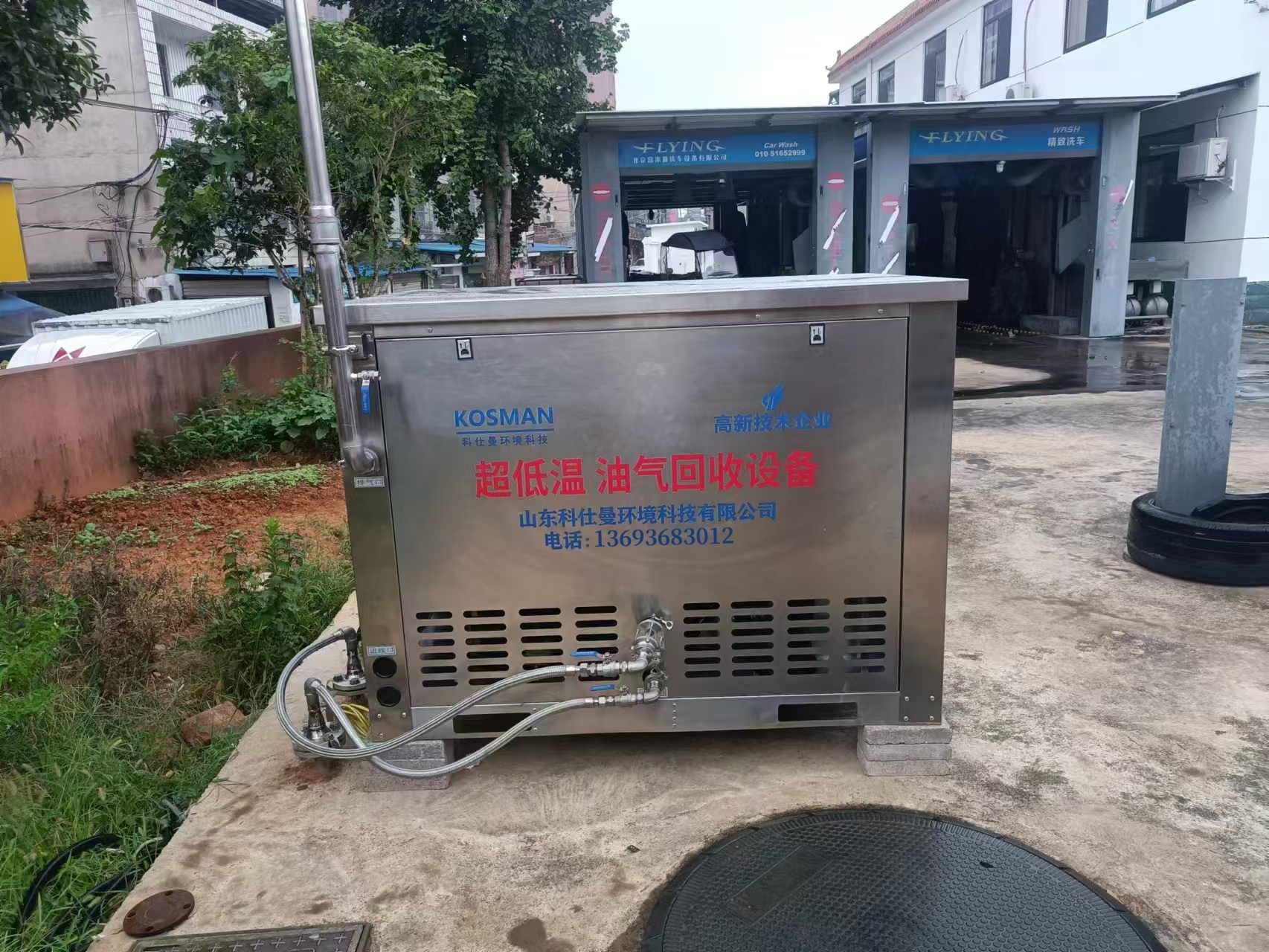
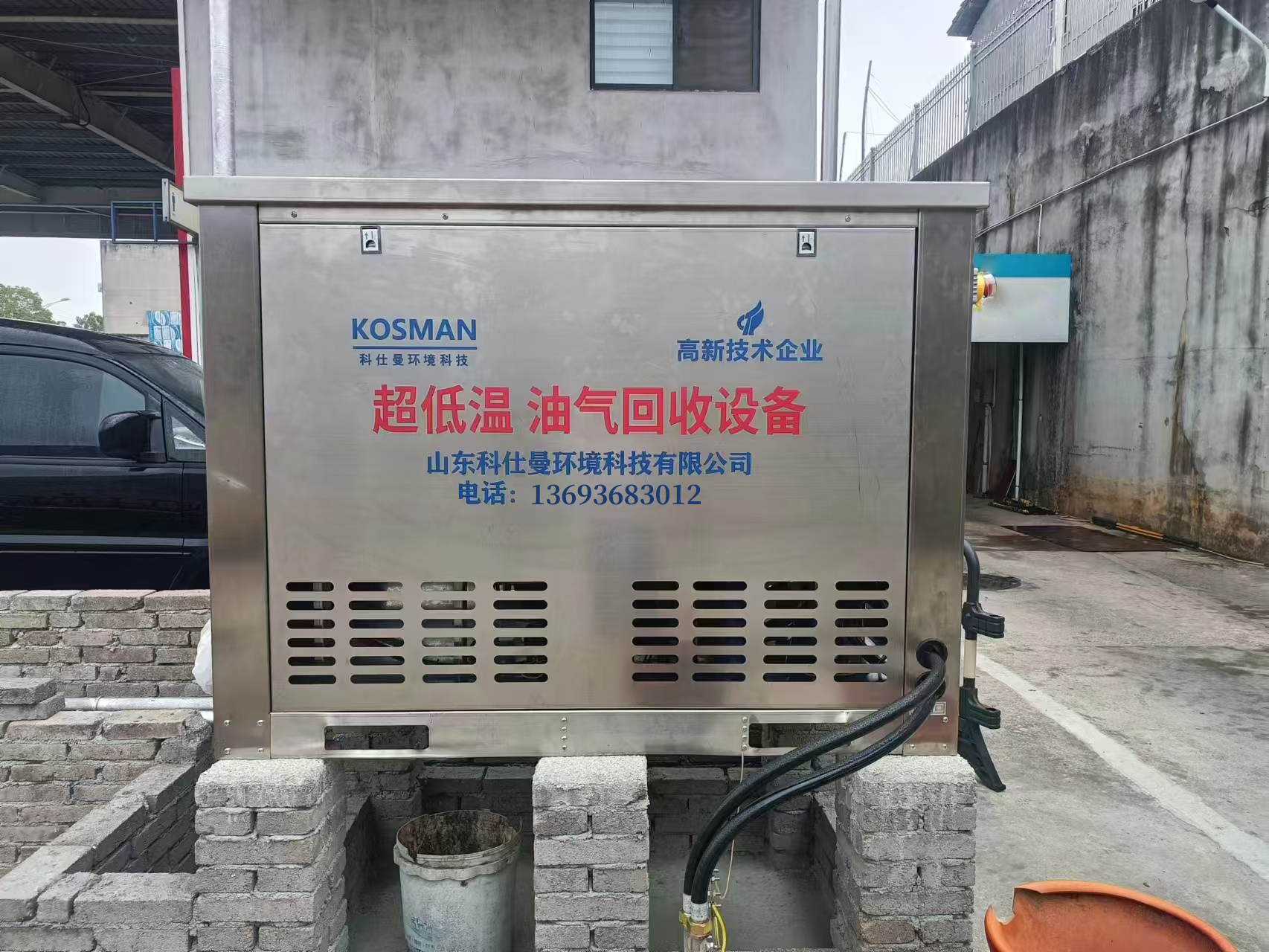
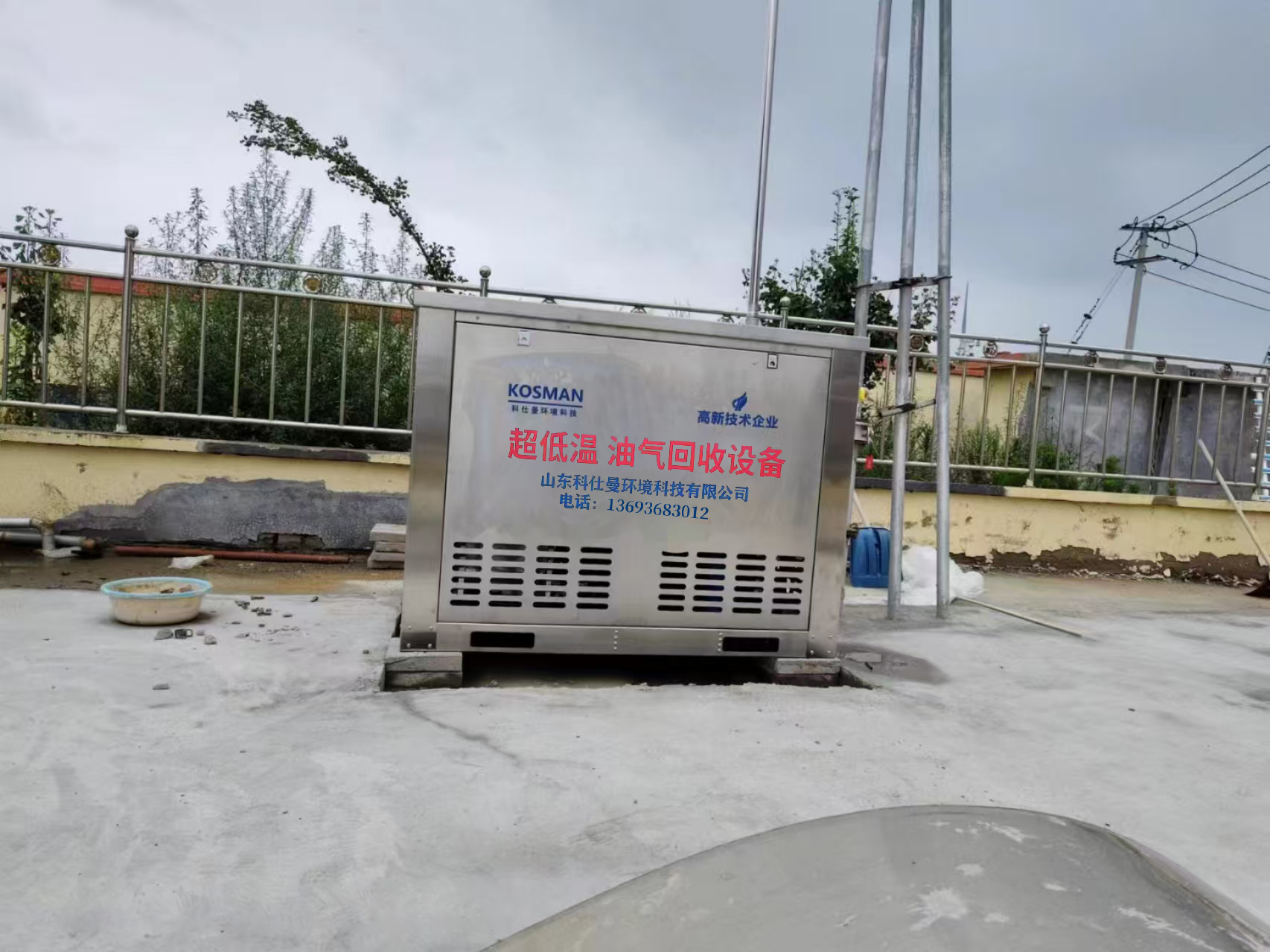
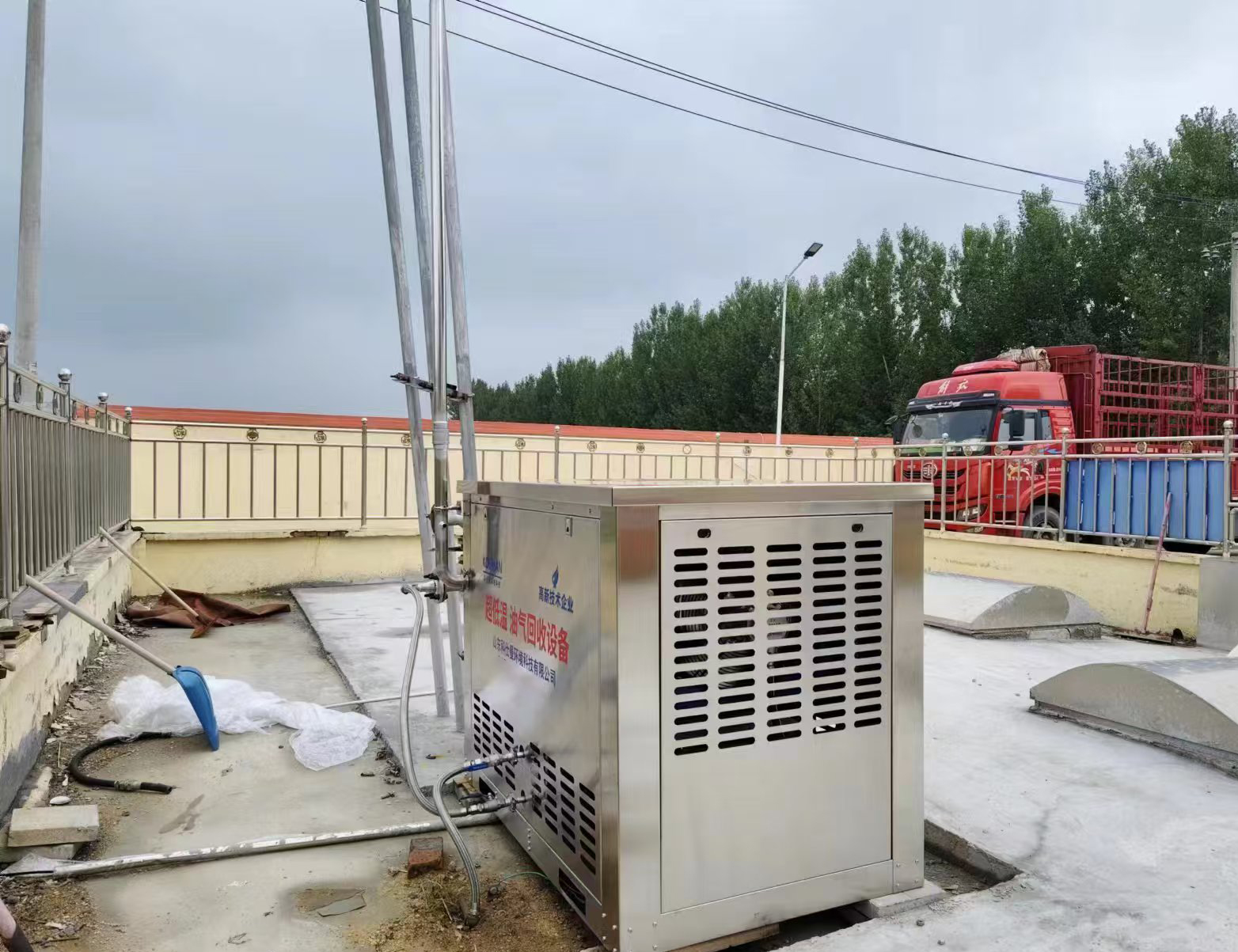
冷凝法通过制冷系统将油气降至其露点以下,使其凝结为液态回收。常规机械制冷可达-50℃至-70℃,而采用单压缩机自复叠循环制冷技术可使冷凝温度低至-110℃,非甲烷总烃回收率超过98%,排放浓度优于国家标准。该技术效果直观、无二次污染,特别适用于高浓度、有回收价值的油气处理场景。
The condensation method uses a refrigeration system to lower oil and gas below their dew point, allowing them to condense into liquid form for recovery. Conventional mechanical refrigeration can reach -50 ℃ to -70 ℃, while the use of single compressor self cascade cycle refrigeration technology can lower the condensation temperature to -110 ℃, achieve a non methane total hydrocarbon recovery rate of over 98%, and have emission concentrations better than national standards. This technology has intuitive effects, no secondary pollution, and is particularly suitable for high concentration and valuable oil and gas processing scenarios.
膜分离法利用气体各组分在高分子膜表面的渗透速率差异进行分离,常用于冷凝后的尾气精处理或与吸附法组合使用。其优势是工艺简洁、能耗较低,但浓度较高的工况通常需要前置预处理。
The membrane separation method utilizes the difference in permeation rate of gas components on the surface of polymer membranes for separation, and is commonly used for exhaust gas purification after condensation or in combination with adsorption methods. Its advantages are simple process and low energy consumption, but high concentration working conditions usually require pre-treatment.
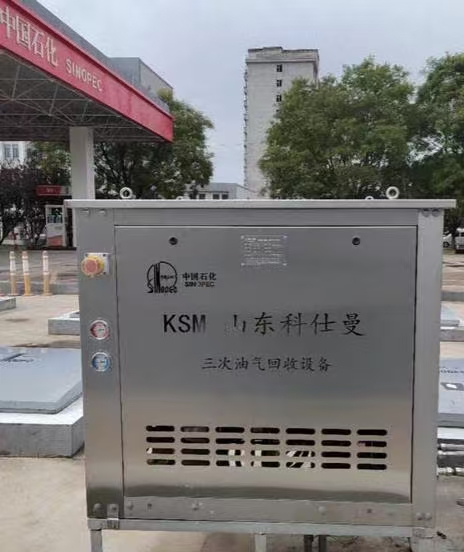
冷凝+膜分离组合工艺则被广泛应用于加油站及油库油气回收。专利技术显示,通过预冷(10℃或-30℃)冷凝部分高沸点组分,剩余轻组分油气经膜组件分离,回收率可达95%以上,有效规避了单一冷凝需深冷至-95℃的高能耗问题。
The combination process of condensation and membrane separation is widely used for oil and gas recovery in gas stations and oil depots. Patent technology shows that by pre cooling (10 ℃ or -30 ℃) to condense some high boiling point components, the remaining light component oil and gas can be separated by membrane modules, and the recovery rate can reach over 95%, effectively avoiding the high energy consumption problem of single condensation requiring deep cooling to -95 ℃.
三、减排与经济效益双重驱动
3、 Dual drive of emission reduction and economic benefits
VOCs回收装置的最大价值在于将污染治理转化为有收益的投资。以PVC手套行业200,000m?/h风量的尾气治理为例,采用移动床活性炭吸附+冷凝回收工艺后,年回收溶剂油约760吨,直接经济效益超过600万元。同时,液氮深冷技术在化工罐区的应用,通过回收油品和氮气,每处理1m?油气可产生约0.5元的正收益。在环保法规持续收紧、“双碳”目标加速推进的背景下,VOCs回收装置已从单纯的环保设施转变为企业降本增效的绿色引擎。
The greatest value of VOCs recycling devices lies in converting pollution control into profitable investments. Taking the exhaust gas treatment of 200000 m ³/h air volume in the PVC glove industry as an example, after adopting the mobile bed activated carbon adsorption+condensation recovery process, about 760 tons of solvent oil are recovered annually, with a direct economic benefit of over 6 million yuan. At the same time, the application of liquid nitrogen cryogenic technology in chemical tank areas can generate a positive profit of about 0.5 yuan per 1 m ³ of oil and gas processed by recovering oil and nitrogen. Against the backdrop of continuously tightening environmental regulations and accelerating the promotion of the "dual carbon" target, VOCs recycling devices have transformed from simple environmental protection facilities to green engines for enterprises to reduce costs and increase efficiency.