侯恩党13693683012
 侯恩党13693683012
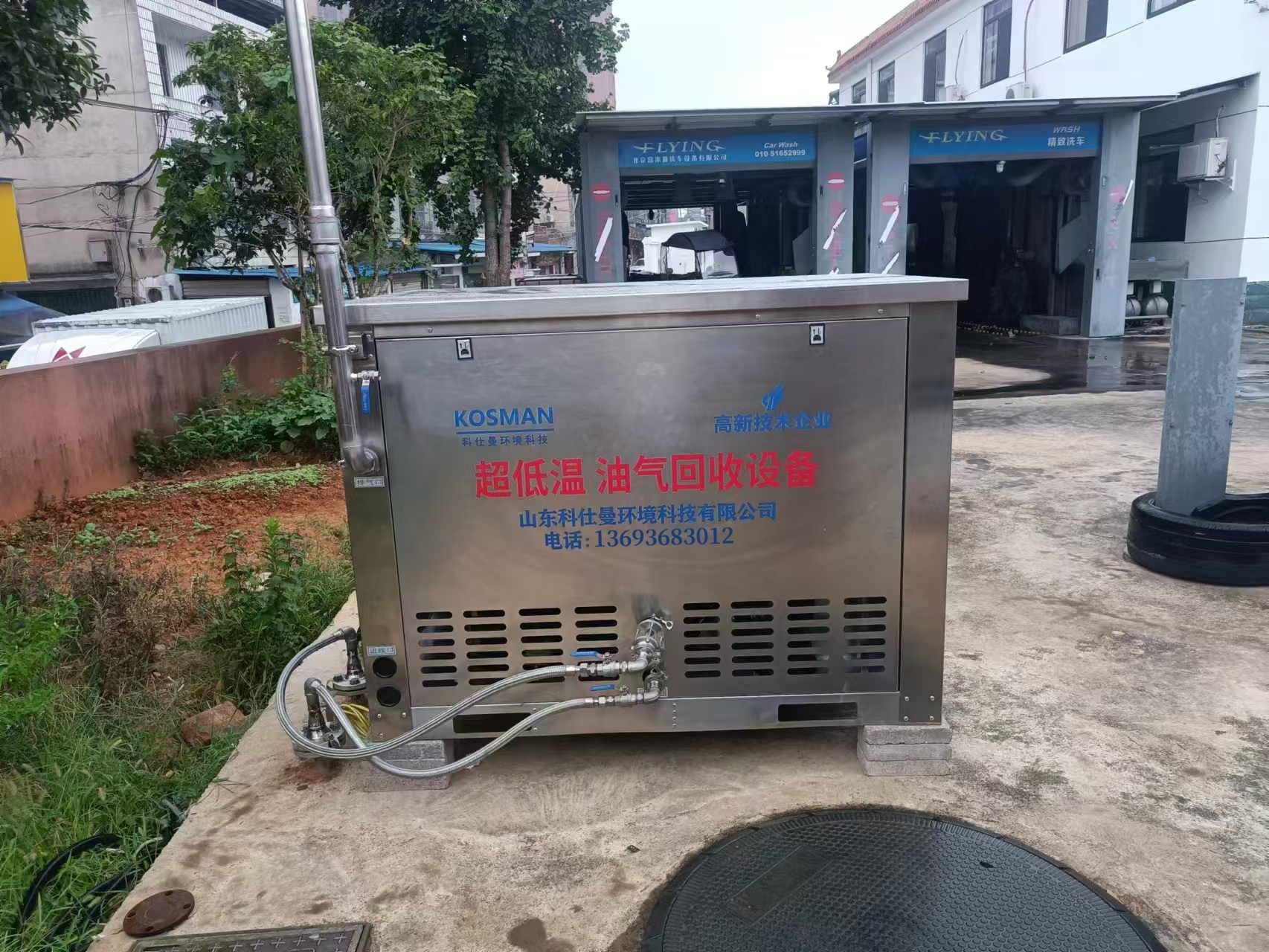
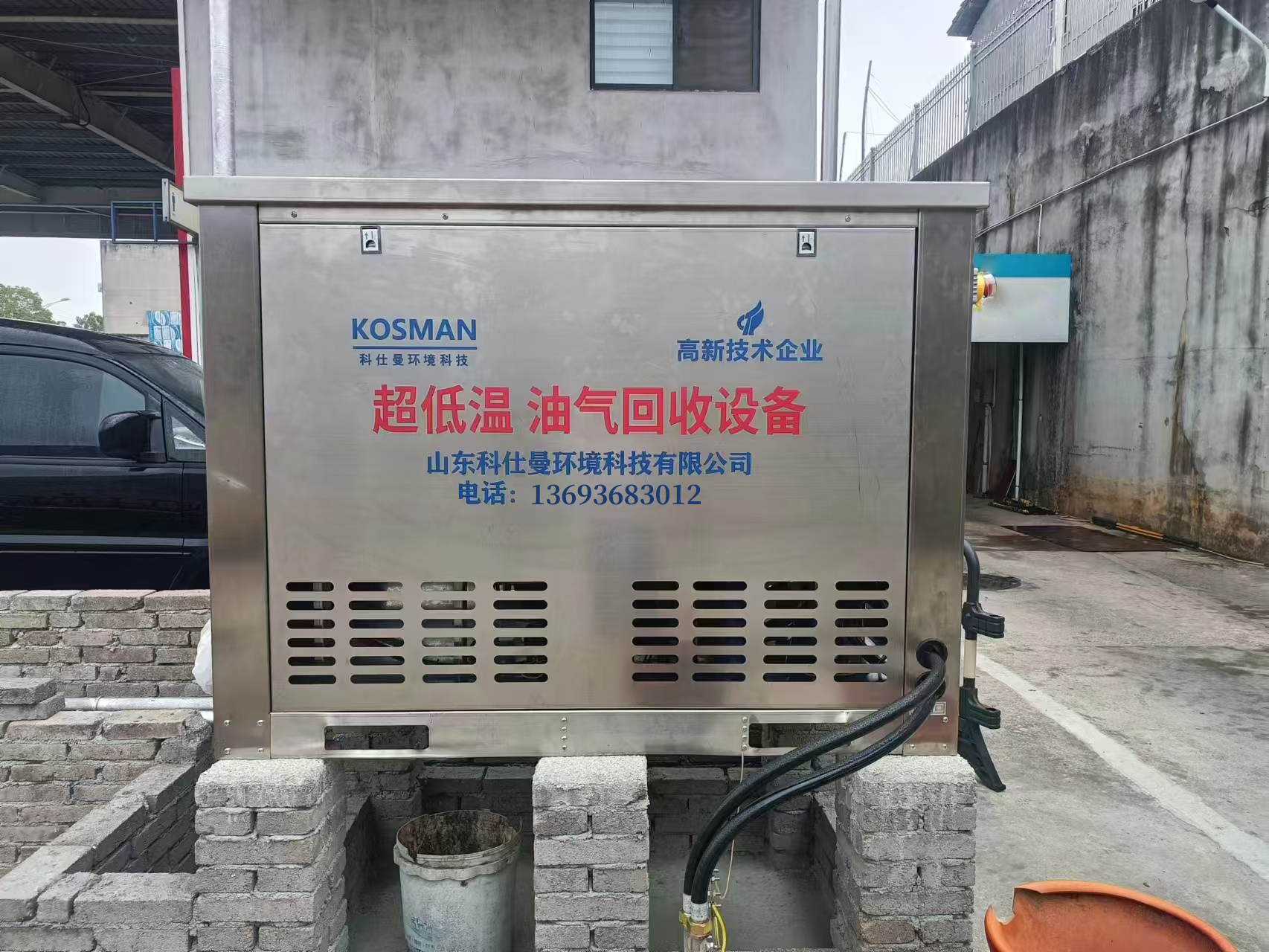
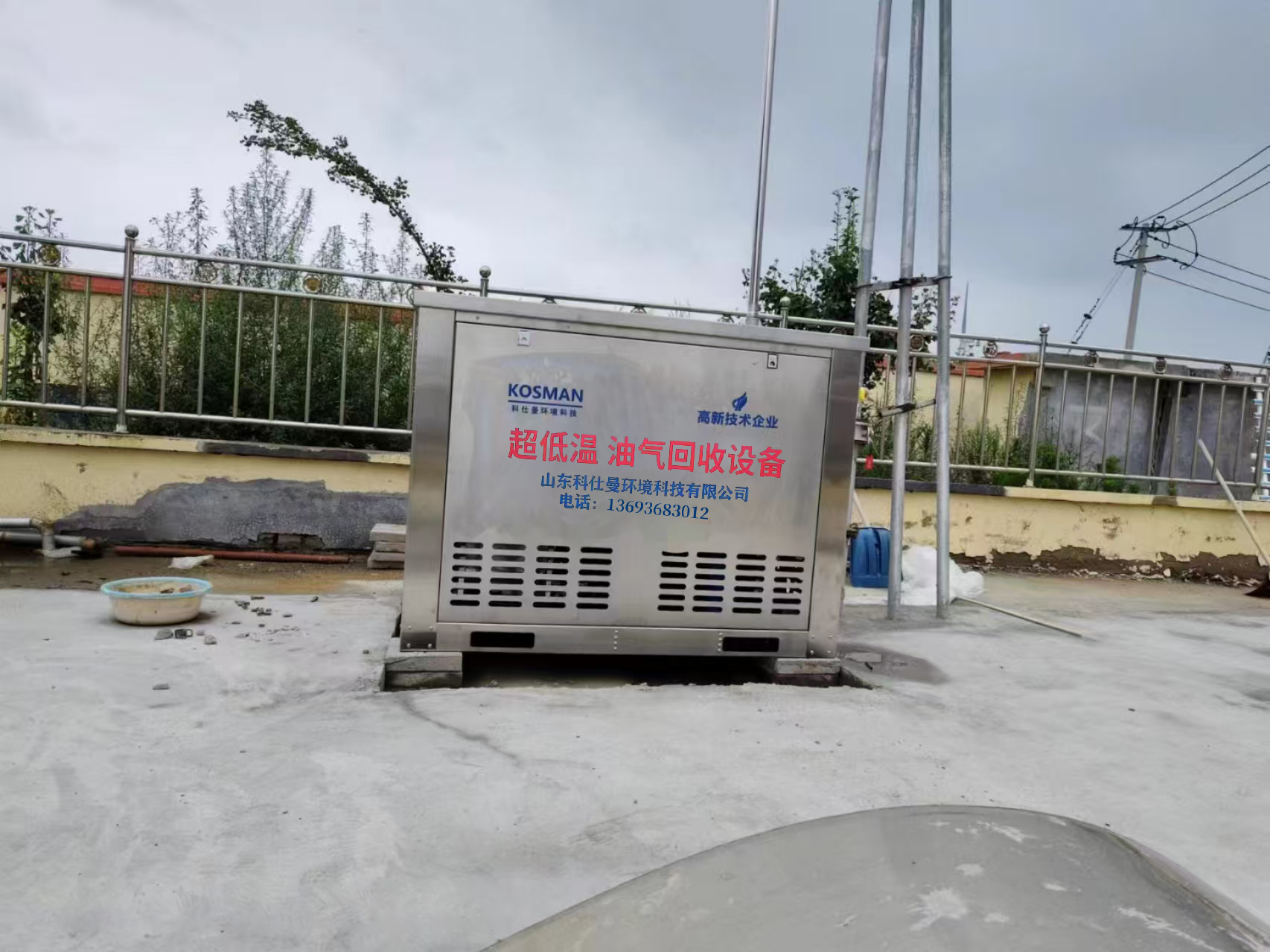
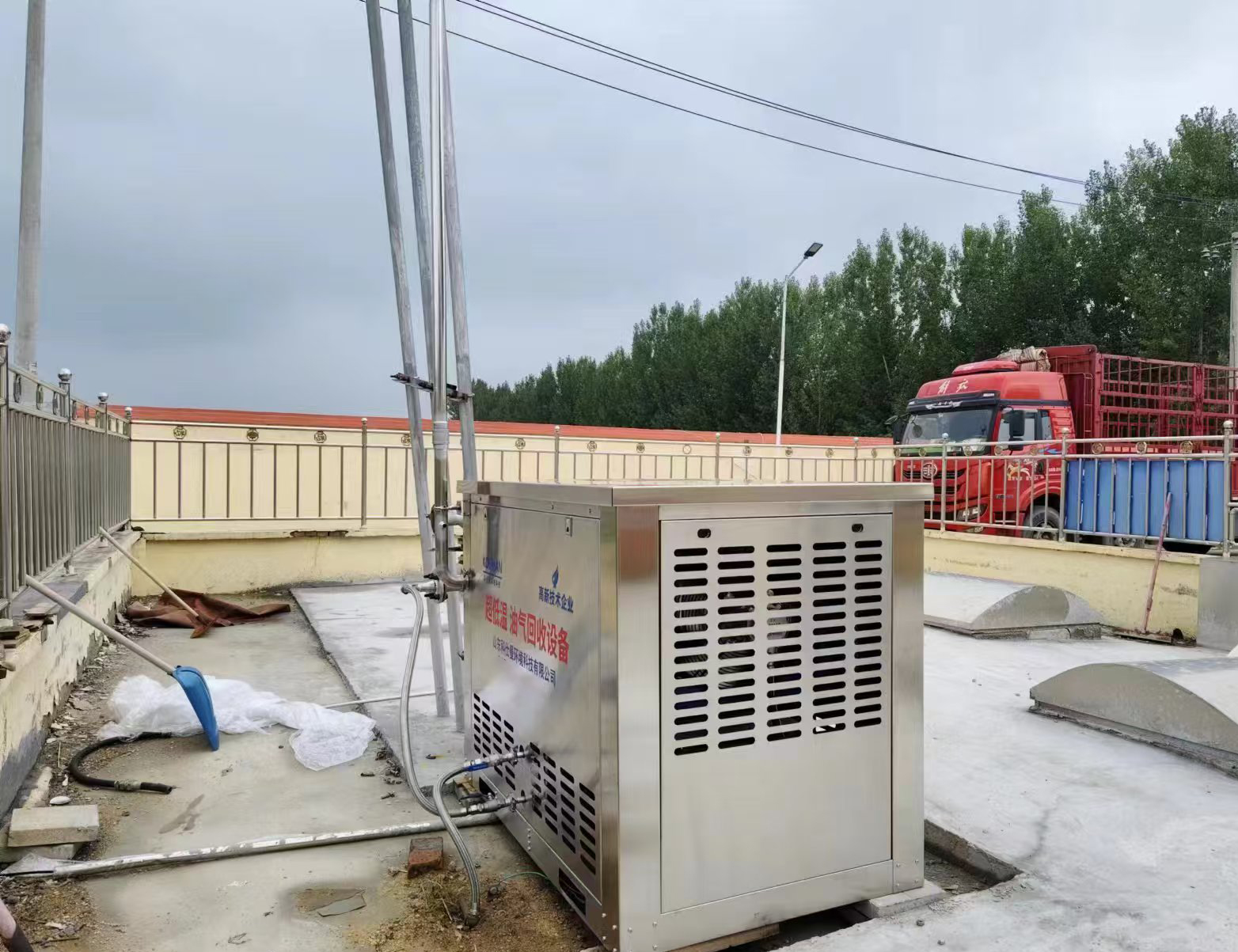
当常规冷凝技术在-70℃的门槛前止步时,超低温油气回收设备却将温度极限推向了-174℃的深冷禁区。这不是实验室的炫技,而是江苏科技大学海洋装备研究院牵头研制的船用油气回收处理样机的真实数据。超低温油气回收设备,通常指以液氮(-196℃)为冷源或采用极限制冷循环将油气冷却至-120℃至-170℃的深度冷凝装置。它面向的,是常规“冷凝+吸附”组合工艺难以应对的超高浓度、超低排放标准及特殊场景难题。
When conventional condensation technology stops at the threshold of -70 ℃, ultra-low temperature oil and gas recovery equipment pushes the temperature limit to the deep cold forbidden zone of -174 ℃. This is not a laboratory show, but the real data of the prototype of marine oil and gas recovery and treatment developed by the Marine Equipment Research Institute of Jiangsu University of Science and Technology. Ultra low temperature oil and gas recovery equipment usually refers to a deep condensation device that uses liquid nitrogen (-196 ℃) as a cold source or uses an extreme refrigeration cycle to cool oil and gas to -120 ℃ to -170 ℃. It is aimed at addressing the challenges of ultra-high concentrations, ultra-low emission standards, and special scenarios that conventional "condensation+adsorption" combination processes cannot cope with.
一、使用范围:瞄准高难度、高要求场景
1、 Scope of use: Targeting high difficulty and high demand scenarios
超低温油气回收设备的应用场景具有明确指向性:
The application scenarios of ultra-low temperature oil and gas recovery equipment have clear directionality:
储油库与化工罐区的高浓度油气:修订后的《储油库大气污染物排放标准》(GB 20950-2020)提出了更为严格的排放要求,很多地方要求非甲烷总烃浓度达到120mg/m?以下。传统机械制冷(-50℃至-70℃)无法满足这一标准,而液氮深冷技术成为必然选择。东营奥星石油化工有限公司的罐区油气治理项目即采用该技术,投运后油气回收去除率≥97%,夏季平均每天回收油量达10m?。
High concentration oil and gas in oil storage and chemical tank areas: The revised "Emission Standards for Air Pollutants from Oil Storage" (GB 20950-2020) proposes stricter emission requirements, with many places requiring non methane total hydrocarbon concentrations to reach 120mg/m? following. Traditional mechanical refrigeration (-50 ℃ to -70 ℃) cannot meet this standard, and liquid nitrogen cryogenic technology has become an inevitable choice. The oil and gas treatment project in the tank area of Dongying Aoxing Petrochemical Co., Ltd. adopts this technology. After operation, the oil and gas recovery and removal rate is ≥ 97%, and the average daily oil recovery in summer reaches 10m?.
原油运输船货油舱油气回收:这是船舶油气治理的“无人区”。国内首台船用超低温油气回收样机通过实船验证,最大处理能力420m?/h,回收率超过95%,填补了该领域国内装备空白。
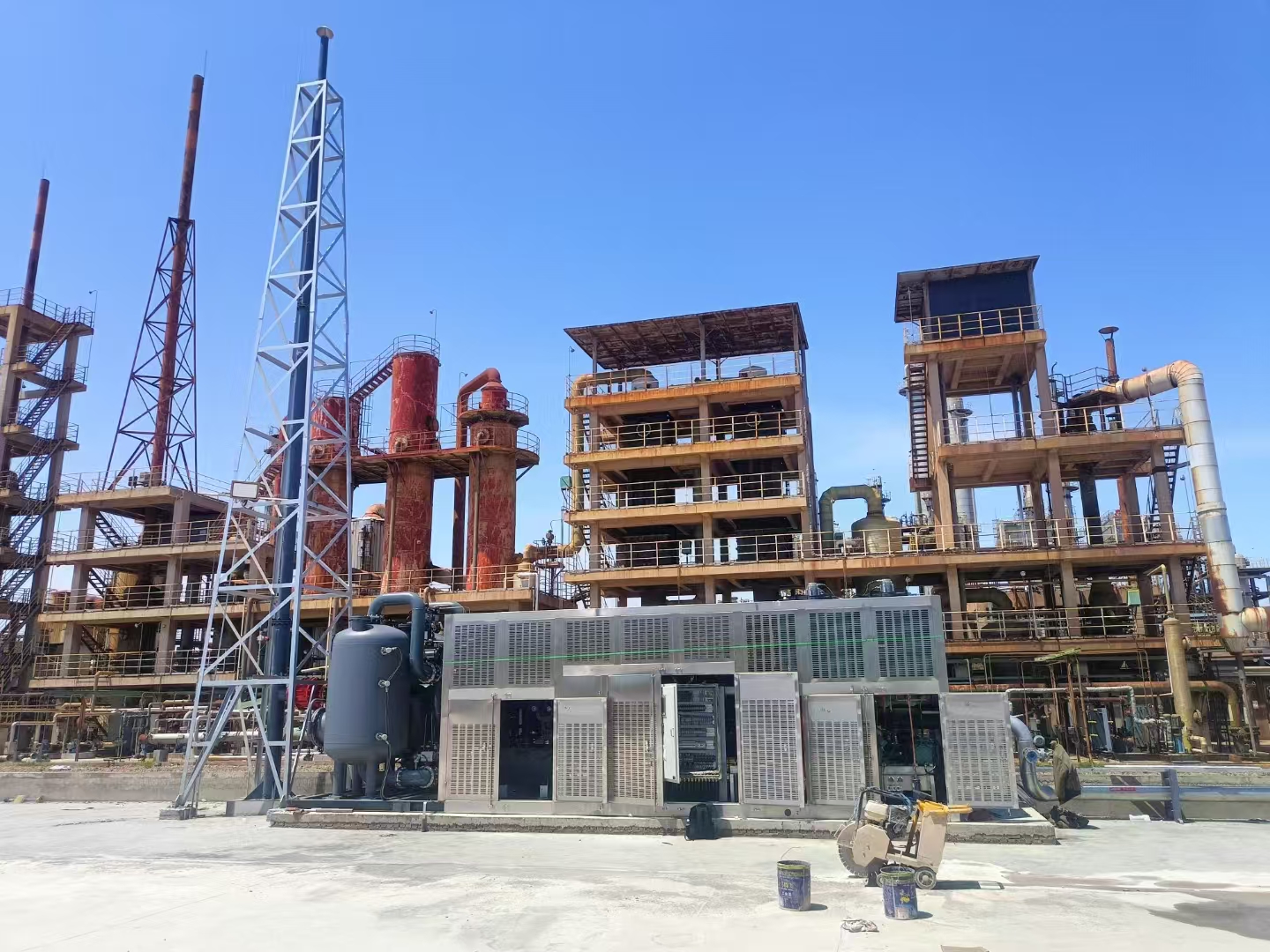
Oil and gas recovery from cargo tanks of crude oil transportation ships: This is the 'no man's land' for ship oil and gas management. The first domestic marine ultra-low temperature oil and gas recovery prototype has been verified on a real ship, with a maximum processing capacity of 420m ³/h and a recovery rate of over 95%, filling the domestic equipment gap in this field.
BOG(蒸发气体)冷凝回收:在LNG接收站、低温储罐区,蒸发气体的冷凝回收同样是超低温技术的用武之地。
BOG (evaporated gas) condensation recovery: In LNG receiving stations and low-temperature storage tank areas, the condensation recovery of evaporated gas is also the application of ultra-low temperature technology.
二、核心工艺与优势
2、 Core processes and advantages
液氮深冷法是目前超低温油气回收的主流技术路线。其原理是以-196℃的液氮为冷源,采用初冷—中冷—深冷三级换热工艺,将油气温度逐级降至-120℃至-170℃,使绝大部分VOCs凝结为液态回收;同时,液氮气化后的冷量被回收利用,产生的氮气还可并入用户管网用于储罐氮封。
The liquid nitrogen cryogenic method is currently the mainstream technology route for ultra-low temperature oil and gas recovery. The principle is to use liquid nitrogen at -196 ℃ as the cold source, and adopt a three-stage heat exchange process of initial cooling, intermediate cooling, and deep cooling to gradually reduce the temperature of oil and gas to -120 ℃ to -170 ℃, so that the vast majority of VOCs are condensed into liquid and recovered; At the same time, the cold energy generated after liquid nitrogen gasification is recycled, and the nitrogen gas can also be incorporated into the user's pipeline network for nitrogen sealing of storage tanks.
与传统工艺相比,超低温设备具备不可替代的优势:
Compared with traditional processes, ultra-low temperature equipment has irreplaceable advantages:
极限达标能力:出口非甲烷总烃去除率≥97%,满足最严苛的环保标准。
Ultimate compliance capability: Export non methane total hydrocarbon removal rate ≥ 97%, meeting the strictest environmental standards.
兼顾“双碳”目标:与焚烧法相比,深冷法不产生额外碳排放。东营奥星项目综合核算碳减排量约5600吨/年。
Balancing the "dual carbon" goal: Compared to incineration, cryogenic methods do not generate additional carbon emissions. The comprehensive accounting carbon reduction of Dongying Aoxing project is about 5600 tons/year.
能耗与效益:回收1kg油品消耗约2-6kg液氮,耗电仅0.05度,通过油品和氮气双重回收,每处理1m?油气净收益约0.5元。
Energy consumption and benefits: Recycling 1kg of oil consumes about 2-6kg of liquid nitrogen, with a power consumption of only 0.05 kWh. Through dual recovery of oil and nitrogen, the net profit of oil and gas is about 0.5 yuan per 1m processed.
全自动安全运行:采用DCS/PLC控制,液氮用量随进气流量和浓度自动调节,安全可靠。
Fully automatic and safe operation: DCS/PLC control is adopted, and the amount of liquid nitrogen used is automatically adjusted according to the intake flow rate and concentration, ensuring safety and reliability.
三、国产化的突破意义
3、 The breakthrough significance of localization
超低温油气回收设备的技术门槛极高,此前主要由Linde、AP等国外巨头垄断。我国科研团队通过自复叠循环制冷、多级回热换热等创新,用单台压缩机实现了-110℃低温,并在船用超低温领域实现-174℃的突破。这些国产化成果不仅降低了设备成本,更在“双碳”时代为高浓度VOCs治理提供了一条不依赖焚烧、无二次污染、兼顾碳减排的中国方案。
The technical threshold for ultra-low temperature oil and gas recovery equipment is extremely high, previously mainly monopolized by foreign giants such as Linde and AP. Our research team has achieved a low temperature of -110 ℃ with a single compressor and a breakthrough of -174 ℃ in the field of ultra-low temperature for marine applications through innovations such as self repeating cycle refrigeration and multi-stage heat exchange. These domestic achievements not only reduce equipment costs, but also provide a Chinese solution for the treatment of high concentration VOCs in the "dual carbon" era, which does not rely on incineration, has no secondary pollution, and takes into account carbon reduction.