侯恩党13693683012
 侯恩党13693683012
目前,针对三次油气的处理,有多种技术路线可供选择,各有其技术特点和适用场景。
At present, there are multiple technical routes to choose from for the treatment of tertiary oil and gas, each with its own technical characteristics and applicable scenarios.
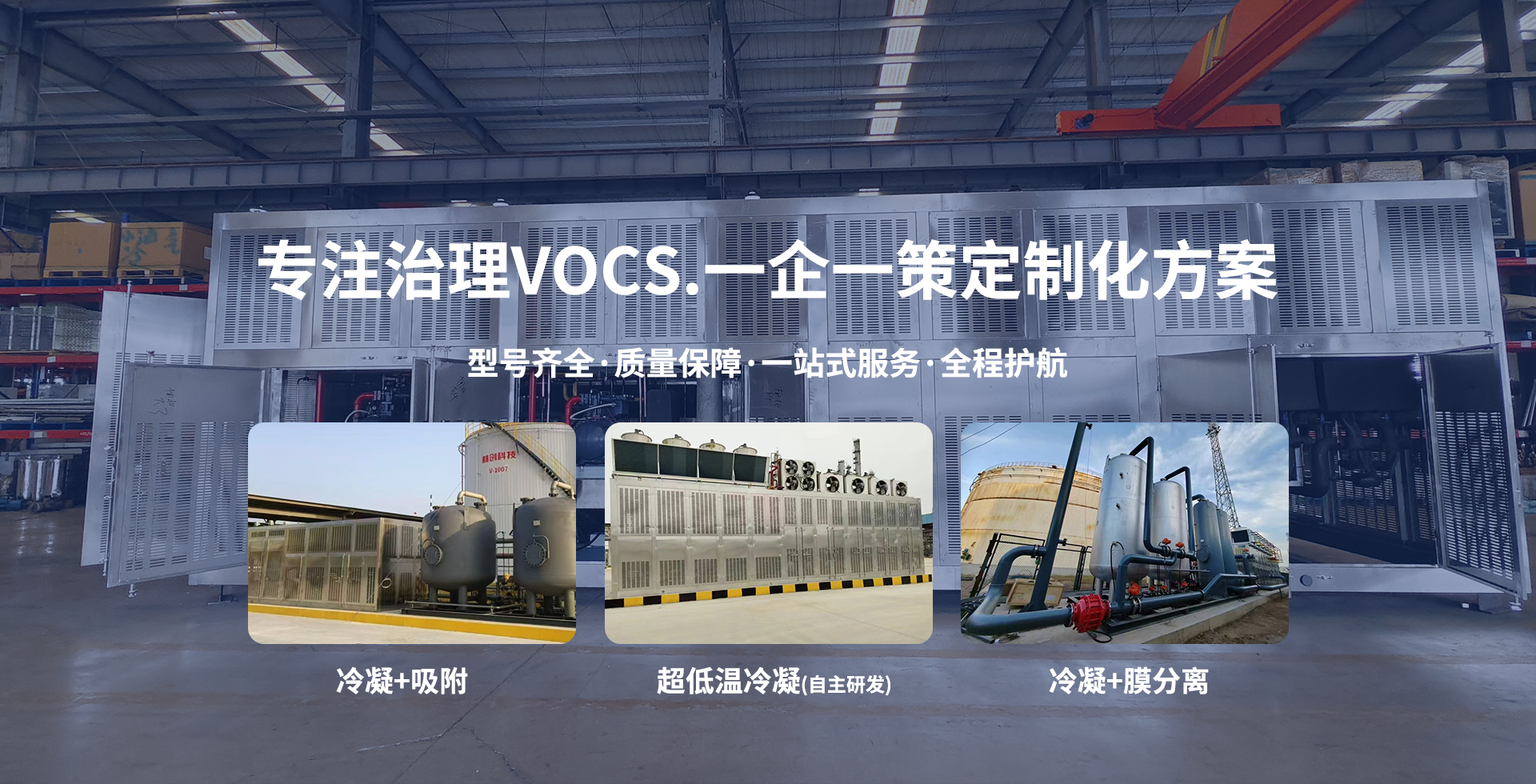
1.冷凝法
1. Condensation method
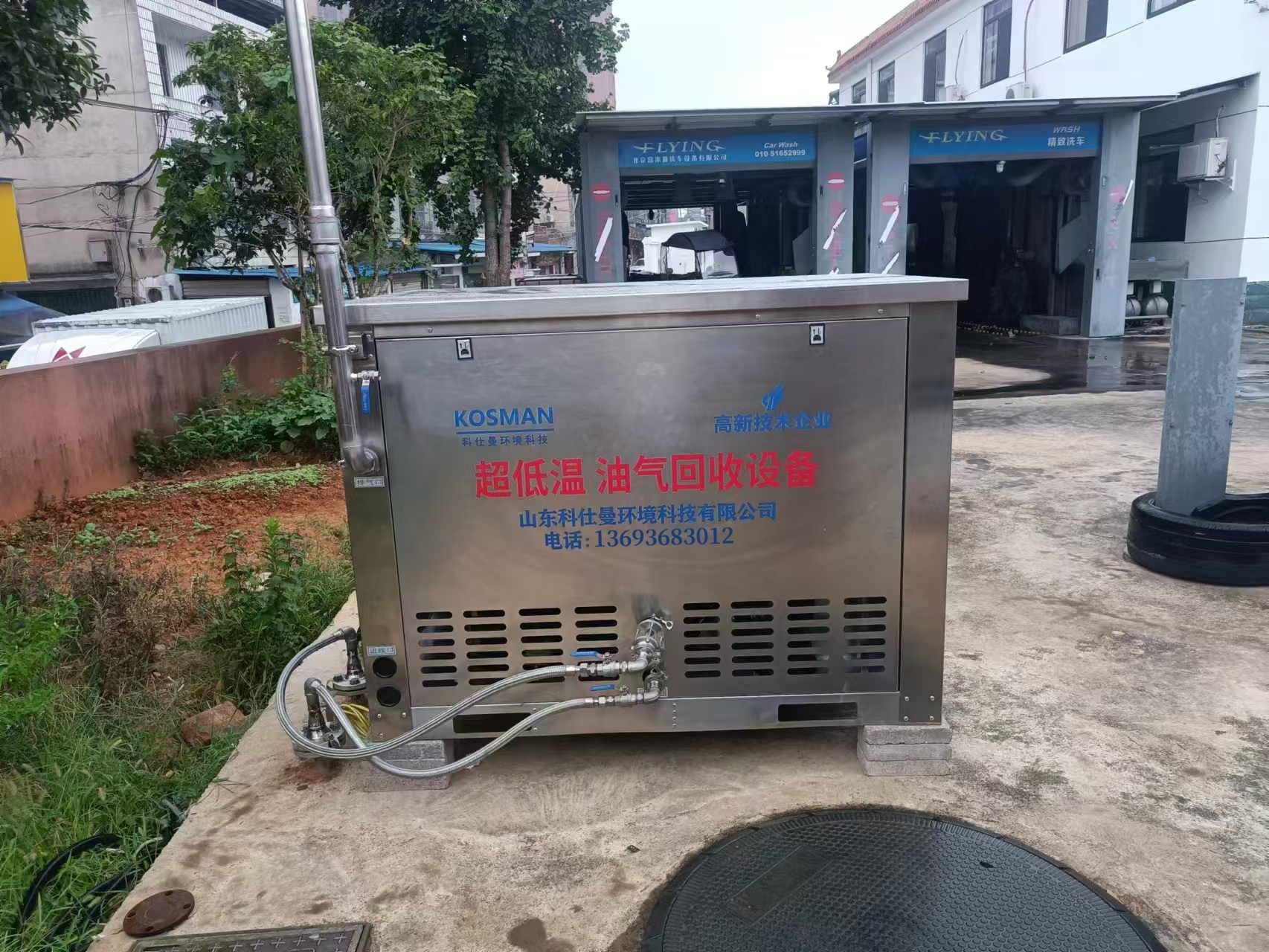
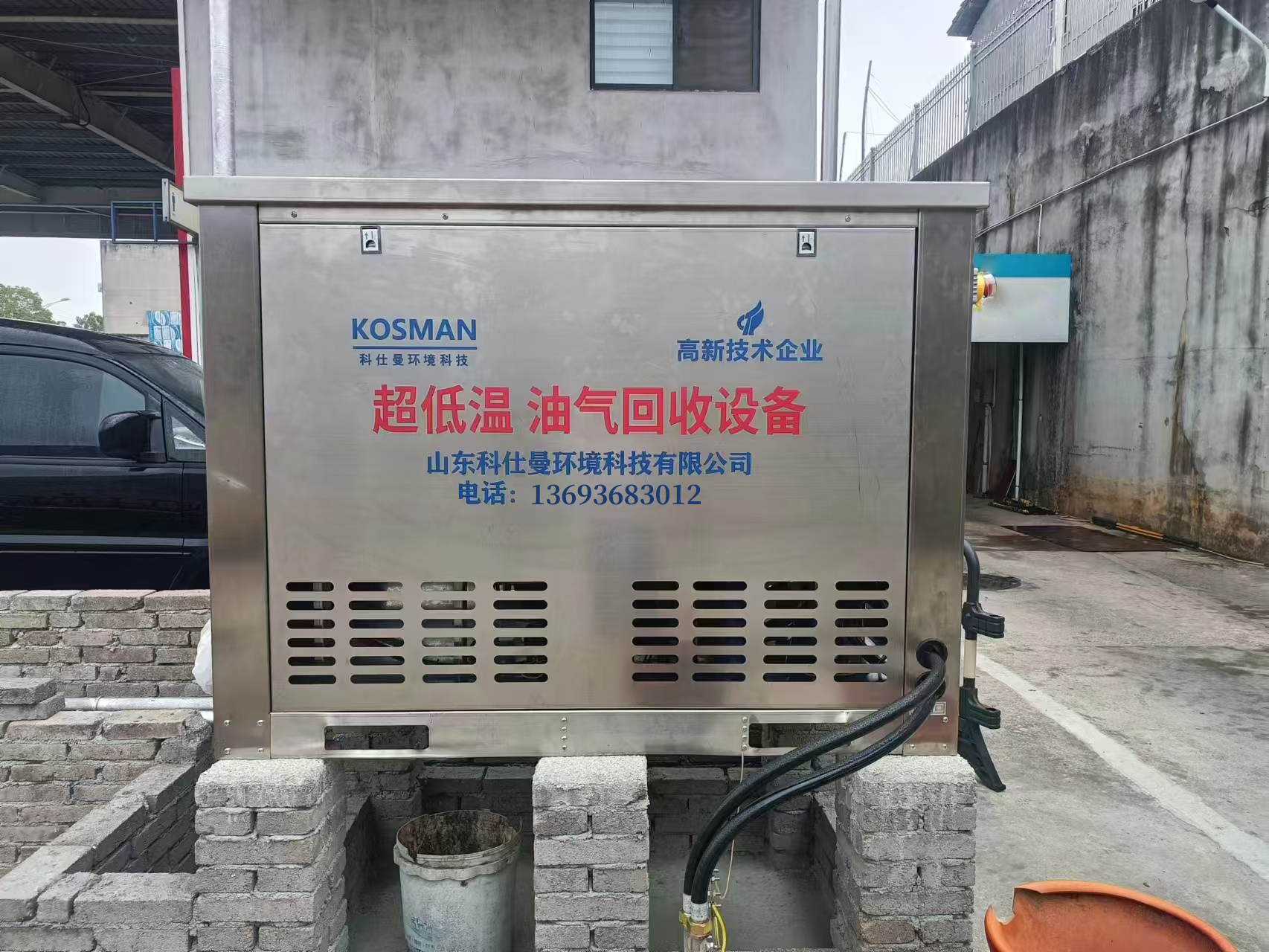
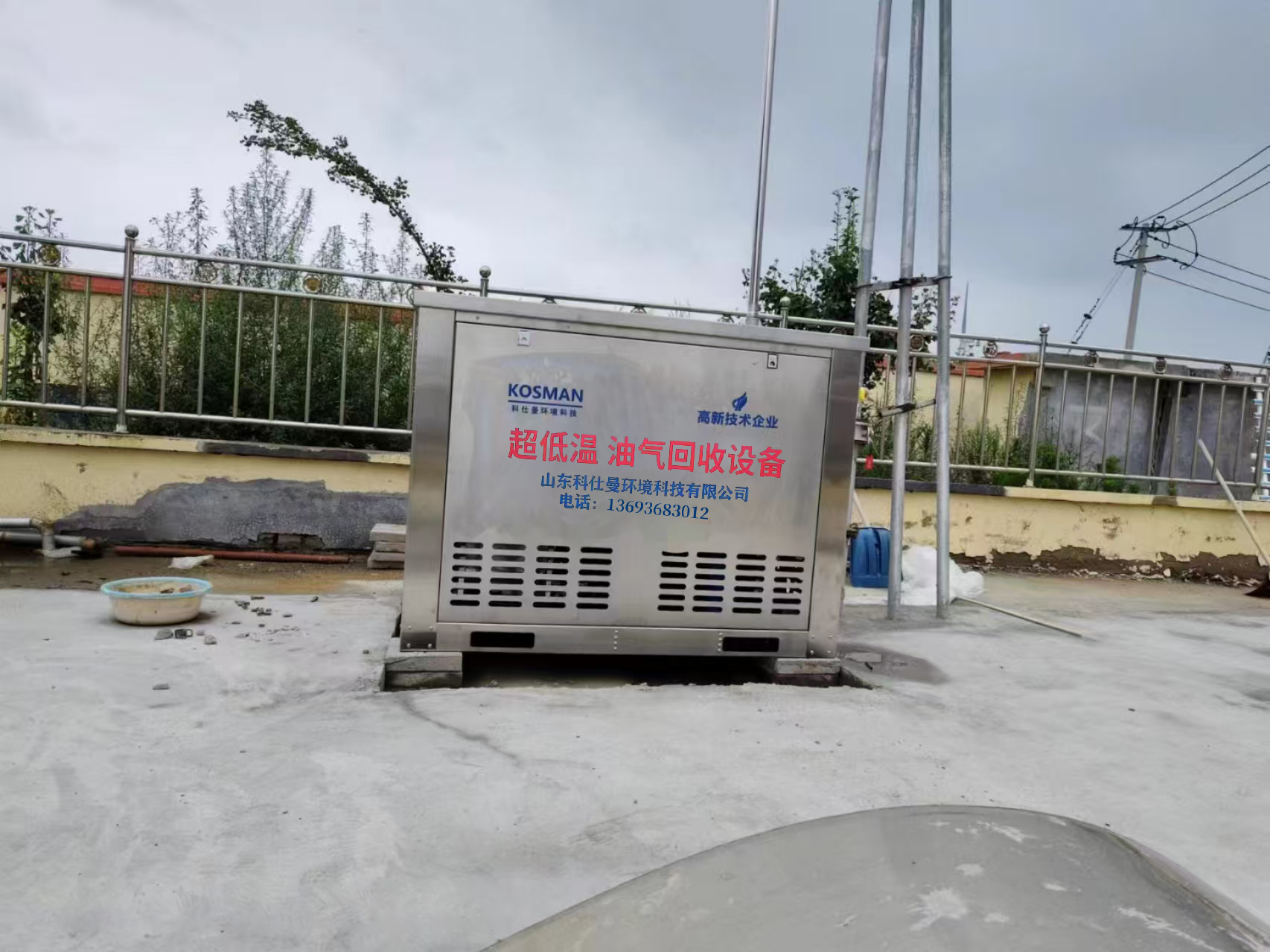
原理:利用制冷技术,将油气温度降低至其各组分的露点以下,使其从气态冷凝为液态,从而回收。
Principle: By utilizing refrigeration technology, the temperature of oil and gas is reduced to below the dew point of each component, causing it to condense from a gaseous state to a liquid state and recover.
特点:工艺原理直观,回收的液体品质较好。通常采用多级连续降温的方式,对高浓度油气回收效率较高。运行稳定性较强,但设备投资和运行能耗(主要是电耗)是需要考量的因素。
Features: The process principle is intuitive, and the quality of the recovered liquid is good. The multi-stage continuous cooling method is usually used, which has a higher efficiency in recovering high concentration oil and gas. The operational stability is strong, but equipment investment and operational energy consumption (mainly electricity consumption) are factors that need to be considered.
2.吸附法
2. Adsorption method
原理:利用活性炭、沸石分子筛等吸附剂对油气分子的强吸附能力,将油气吸附在吸附剂孔隙中。待吸附饱和后,通过抽真空或通入热空气等方式进行脱附,得到高浓度的油气,再引入后续装置处理或返回储罐。
Principle: Utilizing the strong adsorption capacity of adsorbents such as activated carbon and zeolite molecular sieves for oil and gas molecules, oil and gas are adsorbed in the pores of the adsorbent. After adsorption saturation, desorption can be carried out by vacuuming or introducing hot air to obtain high concentration oil and gas, which can then be introduced into subsequent equipment for processing or returned to the storage tank.
特点:对于低浓度油气的处理效率较高,出口浓度可以控制得很低。核心在于吸附剂的选择和脱附再生工艺的设计。需要关注吸附剂的使用寿命以及脱附过程中的安全控制。
Characteristics: It has a high processing efficiency for low concentration oil and gas, and the outlet concentration can be controlled very low. The core lies in the selection of adsorbents and the design of desorption regeneration processes. Attention should be paid to the service life of the adsorbent and safety control during the desorption process.
3.膜分离法
3. Membrane separation method
原理:利用特殊高分子膜对油气中不同组分(空气与烃类分子)渗透速率的差异,在压力驱动下实现油气与空气的分离。烃类分子优先透过膜,从而得到富集的油气。
Principle: By utilizing a special polymer membrane to differentiate the permeation rates of different components (air and hydrocarbon molecules) in oil and gas, the separation of oil and gas from air is achieved under pressure drive. Hydrocarbon molecules preferentially pass through the membrane, resulting in enriched oil and gas.
特点:设备紧凑,操作简便,无二次污染。通常更适用于处理气量相对稳定、浓度有一定波动的油气。其性能核心在于膜材料的选择与组件设计。
Features: Compact equipment, easy operation, no secondary pollution. It is usually more suitable for processing oil and gas with relatively stable gas volume and certain fluctuations in concentration. The core of its performance lies in the selection of membrane materials and component design.
4.组合工艺法
4. Combination process method
这是目前应用越来越广泛的趋势。为了兼顾效率、能耗和排放标准,常常将上述两种或多种技术组合使用。
This is an increasingly widespread trend in current applications. In order to balance efficiency, energy consumption, and emission standards, the above two or more technologies are often combined and used.
常见组合:例如“吸附+冷凝”或“膜分离+冷凝”。先利用吸附法或膜分离法将低浓度油气富集,再通过冷凝法将富集后的油气液化回收。这种组合可以发挥各自优势,往往能达到更优的经济技术指标。
Common combinations: such as "adsorption+condensation" or "membrane separation+condensation". Firstly, low concentration oil and gas are enriched using adsorption or membrane separation methods, and then the enriched oil and gas are liquefied and recovered through condensation. This combination can leverage their respective advantages and often achieve better economic and technological indicators.
本文由油气回收设备友情奉献.更多有关的知识请点击:http://www.kosman2018.com真诚的态度.为您提供为全面的服务.更多有关的知识我们将会陆续向大家奉献.敬请期待.
This article is a friendly contribution from oil and gas recovery equipment For more information, please click: http://www.kosman2018.com Sincere attitude To provide you with comprehensive services We will gradually contribute more relevant knowledge to everyone Coming soon.